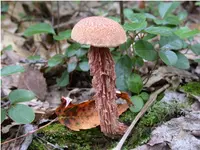
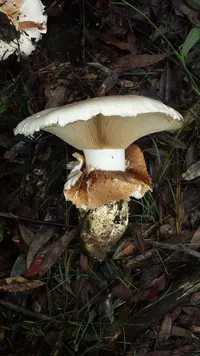
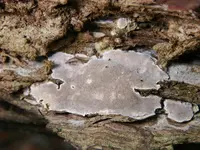
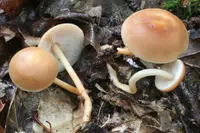
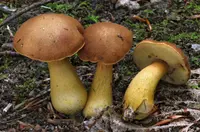
oak bracket Care (Pseudoinonotus dryadeus)

oak bracket

About oak bracket

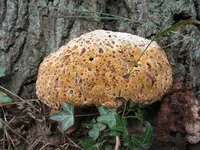
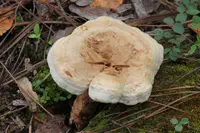
Oak bracket, Pseudoinonotus dryadeus, is a large wood-decay fungus rather than a traditional garden plant. It forms thick, irregular brackets at the base of mature oaks and some other broadleaf trees. The surface often appears lumpy and exudes amber droplets when young, then dries and darkens with age.

This species is widespread in temperate regions of Europe and North America, especially in older parks, woodlands, and veteran tree sites. It weakens tree roots through brown rot, so attempts to care for oak bracket focus more on managing tree health and safety than cultivating the fungus itself.

In cultivation it is rarely grown deliberately, as it prefers established host trees, consistently moist conditions, and well-aerated, organic-rich wood rather than typical garden soil.


Main Plant Requirements

Care Difficulty

Moderate Care

Light Preference

Partial Shade

Water Requirements

Regular Water

Temperature Preference

Cool Climate

Hardiness Zone

4–9

Soil Texture

Loamy, Clay, Organic-rich

Soil pH

Slightly acidic (6.5–7.0), Neutral (7.0)

Soil Drainage

Moist but well-drained

Fertilization

Minimal (feed rarely)

Get Personalized Care Plan

Scan your plant to receive care tips personalized for your specific plant

Available on iOS and Android

How to Care for the oak bracket

This wood-decaying fungus develops best on oak hosts in stable, moderate outdoor light conditions.

  • Provide bright dappled shade or light woodland shade, equal to roughly 2–4 hours of soft morning sun and filtered light for the rest of the day.
  • Avoid intense afternoon sun; prolonged direct sun over 4–5 hours can dry the host roots and stump surface, reducing moisture needed for fruiting bodies.
  • In summer, canopy shade from the tree is usually sufficient; in winter, increased light is acceptable as long as the substrate does not dry out.

Moist but not waterlogged conditions around the host tree base support Pseudoinonotus dryadeus.

  • Aim for consistently moist soil in the top 5–10 cm around the trunk flare, allowing the surface to dry slightly between natural rain events or supplemental watering.
  • Improve drainage if water pools for more than 24 hours, since standing water and sour odors indicate anaerobic conditions that can damage tree roots.
  • In dry, hot periods, deep-soak the surrounding root zone when the soil feels dry 5 cm down, watching for shriveling or premature drying of fruiting bodies as a sign of insufficient moisture.

This species tolerates a wide outdoor temperature range but fruits most actively in mild conditions.

  • Optimal activity occurs around 60–77°F (16–25°C), with many oak bracket bodies appearing in late summer to early autumn under these conditions.
  • The fungus survives winter cold down to about 14–23°F (-10 to -5°C) within the wood, but visible fruiting may pause during hard frosts.
  • Sustained heat above 86°F (30°C), especially with low humidity, can dry the substrate surface; mulch and shade help buffer temperature swings around the tree base.

Humidity is not a relevant factor for Pseudoinonotus dryadeus, which naturally grows as a wood-decaying bracket fungus on trees.

This species develops on living or dead oak roots and does not use conventional potting soil like a typical garden plant.

  • In nature the fungus colonizes dense, compacted woody tissue rather than loose, mineral garden substrates such as loam or sand.
  • Its growth depends on the internal moisture and structure of oak wood, not on external soil texture, drainage, or pH management.
  • Adding compost, perlite, bark, or sand around host trees does not meaningfully control or enhance Pseudoinonotus dryadeus colonization.
  • For practical management, focus on tree health and root condition instead of attempting direct Pseudoinonotus dryadeus plant care through soil modification.

This bracket fungus is not suitable for container growing, since it relies on large, living or dead oak roots rather than potting media.

This wood-decaying fungus grows on established oaks and does not benefit from direct fertilization as a houseplant or garden specimen.

Pruning focuses on managing the host tree, since Pseudoinonotus dryadeus itself is not shaped like a typical ornamental plant.

  • Inspect the host tree annually, ideally in late winter or early spring, to assess decay around the fruiting bodies.
  • Use clean, sharp saws or loppers to remove small dead or structurally unsound branches near infection sites.
  • Avoid cutting into sound wood more than necessary; excessive removal can further stress the tree and destabilize it.
  • Consult a certified arborist for large branches or when decay appears to affect the tree’s structural safety.

This fungus is not suited to container culture, so care focuses on avoiding unnecessary disturbance of roots and surrounding soil.

  • Transplant only when an infected tree must be removed or the site is unsafe, since moving the fungus itself is not practical.
  • If a host tree shows severe decline or root plate instability, schedule removal and any replanting during dormant season.
  • When replanting nearby, choose a new tree species less susceptible to oak bracket and avoid planting directly into heavily decayed root zones.
  • Minimize soil compaction and heavy machinery over roots to reduce additional stress during any site work.

Propagation of this decay fungus is rarely a management goal and is generally discouraged in landscape settings.

This wood-rotting fungus is naturally cold hardy in its range and needs no special winter care in managed landscapes.

Care Tips

Monitor host stability

Inspect the base of the host oak or other hardwood at least 2–3 times per year, and if the trunk shows significant hollows, cracks, or movement in wind, consult an arborist, as this fungus can seriously weaken structural stability.

Time removal correctly

If fruiting bodies must be removed for safety or aesthetic reasons, cut them back close to the trunk just after spore release in late summer–autumn, when they are declining and softer, to reduce mess and limit additional wounding of the host.

Minimize trunk wounds

Avoid installing swings, hammocks, or screw-in hardware on trees infected with this fungus, since any new wounds or compression points can accelerate decay and increase the risk of limb or trunk failure.

Create safe exclusion zone

When growing oak bracket on landscape trees, establish a no-parking and low-traffic zone beneath the crown with simple edging or signage to reduce the risk to people and property if major branches or the trunk fail.

Document decay progress

Photograph the brackets and the lower trunk from the same distance and angle once a year, then compare images over time to track expansion of fruiting bodies and visible defects, which helps professionals make informed decisions about pruning or removal.

Common Pests and Diseases

Armillaria root disease

This disease affects the host oak’s root system, weakening the tree that supports the fungus and often co-occurs with heavy Pseudoinonotus dryadeus fruiting. Symptoms include reduced vigor, dieback in the crown, and white mycelial fans under the bark at the root collar.

Solution

Management focuses on the health and safety of the host tree: consult a certified arborist, improve soil drainage, avoid further root damage, and remove heavily colonized stumps or roots where feasible. In high‑risk locations (near buildings, paths, or parking), consider staged removal of the declining oak and its infected roots to reduce hazards and limit inoculum.

Bark beetle infestation

These insects attack stressed or declining oaks, which are the usual hosts for Pseudoinonotus dryadeus, and can accelerate structural decline. Symptoms include small round exit holes in bark, fine boring dust, and rapid canopy thinning.

Solution

Management involves reducing tree stress through appropriate watering during drought, mulching the root zone, and preventing further injuries to roots and trunk. Severely infested or structurally compromised trees should be evaluated by an arborist, who may recommend removal of the host tree and its fungal brackets to reduce safety risks and local beetle pressure.

Honey fungus

This disease, caused by Armillaria species, often overlaps with Pseudoinonotus dryadeus on weakened oaks, compounding root and butt decay. Symptoms include honey-colored mushrooms near the base, black rhizomorphs in soil, and progressive decline of the host tree.

Solution

There is no direct cure; management focuses on sanitation and site planning, including removal of badly infected trees and as much root material as practical. Avoid replanting highly susceptible trees in the same spot and maintain good cultural care and soil conditions to support any remaining or replacement trees, following oak bracket care instructions as part of an integrated strategy.

Interesting Facts

Root-decay specialist

This fungus is a major cause of white root rot in mature oaks, selectively breaking down lignin and leaving the wood pale and fibrous while gradually destabilizing the tree’s root system.

Weeping honeydew droplets

Young fruiting bodies often exude amber to clear droplets rich in sugars and other metabolites, a process called guttation that can attract insects and gives the brackets a distinctive wet, oozing appearance.

Multi-year fruiting bodies

Its large, cushion-like brackets can persist and add new layers or zones year after year, so a single perennial structure can record multiple seasons of growth in its tough, zoned tissue.

Botan icon

Did you know?

This species frequently fruits at or just above soil level on exposed roots or the lower trunk flare of old oaks, and its presence is used by arborists as a visual indicator of serious, often irreversible structural weakness in otherwise healthy-looking trees.

FAQs about oak bracket

This wood-decay fungus grows slowly but steadily, often enlarging its brackets each year. Individual fruiting bodies may reach 20–40 cm across, while internal decay can extend far up and into the trunk and main roots.

Grow Healthy Plants with Botan Care

Keep your plants happy and healthy with plant identification, disease detection, and easy care guidance.

Botan plant care app — identify plants on mobile

Explore More Plants