Gymnopilus junonius Care (Gymnopilus spectabilis)

Also known as: spectacular rustgill
Gymnopilus junonius

About Gymnopilus junonius

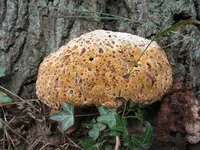
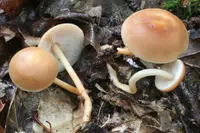
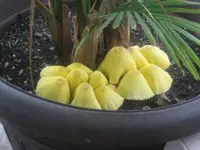
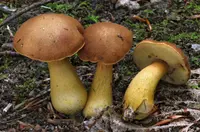
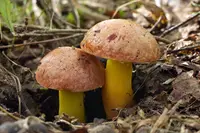
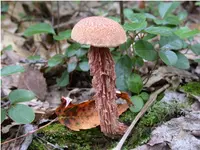
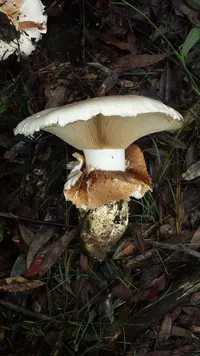
Gymnopilus junonius, also known as Gymnopilus spectabilis, is a large saprophytic mushroom rather than a typical green plant. It forms dense clusters on decaying hardwood, with thick orange to rust-brown caps and sturdy stems.

This species is widespread in temperate regions of North America, Europe, and Asia, often appearing in autumn on stumps, buried wood, or large roots. It is generally not recommended to care for Gymnopilus junonius at home, as it is difficult to cultivate and has toxic properties.

In nature it favors moist, shaded woodland sites with abundant dead wood, relying on decomposing timber instead of soil in the usual gardening sense.

Main Plant Requirements

Care Difficulty

Hard Care

Light Preference

Partial Shade

Water Requirements

Keep Soil Moist

Temperature Preference

Warm Climate

Hardiness Zone

Unknown

Soil Texture

Loamy, Organic-rich

Soil pH

Slightly acidic (6.5–7.0)

Soil Drainage

Moist but well-drained

Fertilization

Minimal (feed rarely)

Get Personalized Care Plan

Scan your plant to receive care tips personalized for your specific plant

Available on iOS and Android

How to Care for the Gymnopilus junonius

This wood-rotting mushroom prefers dappled woodland light rather than direct, open sun.

  • Provide bright shade or filtered light under trees, logs, or brush, with only brief morning sun; avoid harsh midday and afternoon sun that dries the substrate too fast.
  • Aim for conditions that mimic a forest edge: 2–4 hours of soft, indirect light and the rest in open shade to support steady fruiting of Gymnopilus spectabilis and related Gymnopilus junonius.
  • In summer, protect colonized wood from full-sun exposure to prevent overheating, and in autumn ensure sites are not in deep, sunless hollows that stay too cold and slow development.

This fungus depends on consistently moist, not waterlogged, woody substrates to fruit well.

  • Use hardwood logs or stumps that hold moisture yet drain freely, avoiding standing water, compacted soil, or continuously saturated pits around the wood.
  • Let the outer 2–3 cm of the surrounding soil or mulch begin to feel just slightly dry before re-wetting, then irrigate enough to moisten the log and topsoil without leaving puddles.
  • In hot, dry weather, increase checks for drying and look for shrunken, brittle mycelial mats as a sign of underwatering, or sour, rotten odors and slimy patches as indicators of overwatering.

This species fruits best in cool to mild conditions that resemble autumn forest weather.

  • Target an overall range of 50–70°F (10–21°C) for strong mycelial activity, with many flushes occurring when daytime highs are around 55–65°F (13–18°C).
  • Expect the mycelium to tolerate down to about 32°F (0°C) in dormant periods, but repeated hard frosts or freezes below 28°F (-2°C) can damage exposed fruiting bodies.
  • During warm spells up to about 77°F (25°C), maintain extra shade and moisture; sustained heat above 80°F (27°C) tends to slow growth and can dry or deform developing mushrooms.

Humidity plays a minor role, as this wood-decaying mushroom copes well with typical outdoor humidity where it naturally fruits.

This species fruits on decaying wood rather than typical garden soil, so the focus is on substrate composition and structure.

  • Use a lignin-rich substrate based on hardwood chips, sawdust, or well-aged logs, as Gymnopilus spectabilis decomposes wood, not mineral soil.
  • Ensure the substrate drains freely but stays evenly moist; avoid waterlogged containers that exclude oxygen and fully dry, loose chips that desiccate quickly.
  • Aim for slightly acidic to neutral conditions (pH 5.5–7.0) by using hardwood material and avoiding large amounts of alkaline ash or lime.
  • Improve aeration by mixing coarse wood chips with some medium sawdust to create small air pockets and prevent compaction over time.

This species is not well suited to typical ornamental container growing, as it is a wood-decaying fungus that fruits best on naturally placed logs or buried wood.

Gymnopilus spectabilis is a saprophytic mushroom that usually gains enough nutrients from well-decayed wood and typically does not benefit from additional fertilization in natural or garden settings, even when caring for Gymnopilus junonius in similar conditions.

Gymnopilus spectabilis does not require pruning in the usual gardening sense, since it is a short-lived mushroom fruiting from buried wood or woody debris.

This fungus is not suited to typical repotting; cultivation focuses on establishing Gymnopilus spectabilis on an appropriate woody substrate rather than moving mature fruiting clusters.

  • Treat any container culture as semi-permanent and avoid disturbing colonized wood, since moving it can slow or stop fruiting.
  • If transfer is necessary, shift the entire colonized log or block at once, keeping mycelium-covered surfaces intact.
  • Time any relocation for cooler, stable conditions to reduce drying and thermal stress on the mycelium.
  • After moving, maintain steady moisture around the substrate with gentle misting, without waterlogging the wood.

Propagation of Gymnopilus spectabilis is usually attempted by mycelium or spawn on woody substrates rather than by conventional garden techniques.

  • Use clean grain spawn or sawdust spawn to inoculate fresh, untreated hardwood logs or dense chips.
  • Inoculate during cool, stable weather, then keep the substrate shaded and evenly moist for colonization.
  • Drill holes or open small pockets in wood, insert spawn, then seal with wax to reduce contamination and drying.
  • Maintain high humidity and indirect light; fruiting may not occur for many months after successful colonization.

In most temperate climates, Gymnopilus spectabilis needs little intentional winter care, as the mycelium persists inside wood while fruiting bodies die back.

  • If logs are used, keep them in a shaded, wind-sheltered spot so the wood does not dry excessively in cold winds.
  • In very cold regions, a light mulch of leaves over partially buried logs can moderate freeze–thaw cycles.
  • Container-grown inoculated blocks can be overwintered in an unheated garage or shed to avoid extreme temperature swings.

Care Tips

Use hardwood blocks

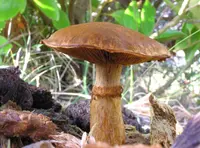
For reliable fruiting, colonize clean, well-soaked hardwood blocks (such as oak or beech) rather than loose chips, as blocks hold moisture more evenly and are easier to handle and monitor for contamination.

Staged colonization

Start the fungus on sterilized grain or sawdust spawn, then transfer that fully colonized material into your outdoor bed or logs to reduce contamination risk and shorten the time to visible fruiting.

Moisture-shade management

Install a simple shade cloth or use the north side of a structure to keep the fruiting area shaded and apply a fine mist under the cover rather than on top of caps to maintain humidity without promoting bacterial rot.

Seasonal timing

Introduce spawn to outdoor beds or logs in late spring to early summer so that the mycelium has several warm months to establish, which supports stronger fruiting when cooler, moist conditions arrive.

Hygienic handling

Use clean tools and containers when cutting or moving colonized substrate, and promptly remove any sections that smell sour or show green or black molds, which aligns with general best practice for caring for Gymnopilus junonius and related species.

Common Pests and Diseases

Fungus gnat larvae

This pest targets moist, organically rich mushroom substrates, where the larvae feed on developing fruiting bodies and mycelium. Symptoms include tunneled caps, deformed mushrooms, and clouds of tiny black flies around trays or logs.

Solution

Reduce excess surface moisture, improve ventilation, and let the top layer of substrate dry slightly between misting. Use fine mesh screens, yellow sticky traps for adults, and a biological control such as Bacillus thuringiensis israelensis (Bti) drench to reduce larvae populations in the growing medium.

Sciarid fly infestation

These insects are strongly attracted to indoor and covered mushroom cultivation setups and lay eggs directly in the substrate, where larvae feed on mycelium and young primordia. Symptoms include poor pin formation, hollow stems, and a noticeable presence of small dark flies walking on the substrate and walls of containers.

Solution

Cover air inlets and vents with fine mesh, remove spent or heavily infested substrate promptly, and maintain clean, clutter‑free growing areas. Combine trapping of adults with sticky cards and targeted biological controls such as predatory nematodes in the substrate to break the life cycle.

Mite contamination

This pest includes several small mite species that colonize mushroom cultures, feeding on spores, mycelium, and tissue of young fruiting bodies. Symptoms include slow colonization, pitted or speckled caps, and visible tiny white or tan dots moving on the substrate surface.

Solution

Discard heavily infested cultures and thoroughly clean shelves, tools, and containers with hot water and detergent. For ongoing setups, lower excess humidity on non‑fruiting surfaces, avoid using unsterilized straw or compost, and introduce only clean spawn and tools to reduce mite introduction when growing Gymnopilus spectabilis.

Green mold (Trichoderma)

This disease occurs when competitive green mold fungi invade the substrate, outgrowing the mycelium and producing bright green patches on the surface. Symptoms include stalled colonization, sour or earthy odors, and rapid breakdown of the substrate near infected zones.

Solution

Remove and discard any substrate or blocks with clear green sporulation to prevent spore spread, and do not attempt to salvage heavily contaminated materials. Improve substrate sterilization or pasteurization, tighten hygiene in the work area, and adjust moisture levels and airflow so the target mycelium colonizes quickly and evenly, leaving fewer niches for Trichoderma.

Bacterial blotch

This disease develops on mushroom caps in very wet, stagnant conditions, causing yellow to brown greasy spots and soft, sunken tissue. Symptoms include discolored, slimy patches on caps, sometimes with a slightly sour smell.

Solution

Reduce direct water sitting on caps by using finer misting, lowering frequency, and increasing airflow to dry surfaces between cycles. Remove and discard affected fruiting bodies, clean interior surfaces of the grow area, and maintain moderate humidity with consistent fresh air exchange to limit bacterial buildup as part of practical Gymnopilus spectabilis care instructions.

Interesting Facts

Taxonomic identity debated

Gymnopilus spectabilis is now widely treated as Gymnopilus junonius in modern mycological literature, reflecting taxonomic revision based on microscopic features and broader species concepts rather than DNA evidence alone.

Powerful bitterness

The fruiting bodies are strongly bitter, a reliable field characteristic that helps distinguish it from some edible orange-brown mushrooms, and this bitterness persists even after cooking.

Lignicolous wood decomposer

This species is a lignicolous fungus that grows in dense clusters on dead or buried hardwood and conifer wood, contributing to wood decay and nutrient recycling in forests and landscaped areas.

Botan icon

Did you know?

Large clusters of Gymnopilus spectabilis can reach impressive sizes, sometimes forming dense, overlapping groupings that cover substantial portions of a stump or log, making it one of the more conspicuous wood-inhabiting agaric mushrooms in temperate regions.

FAQs about Gymnopilus junonius

This species is considered inedible and potentially poisonous. It contains bitter compounds and psychoactive chemicals that can cause nausea, vomiting, confusion, and other neurological symptoms. It must not be eaten, even if it appears fresh and attractive.

Grow Healthy Plants with Botan Care

Keep your plants happy and healthy with plant identification, disease detection, and easy care guidance.

Botan plant care app — identify plants on mobile

Explore More Plants