Common Stump Brittlestem Care (Psathyrella piluliformis)

Common Stump Brittlestem

About Common Stump Brittlestem

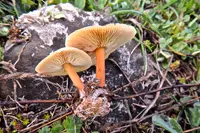
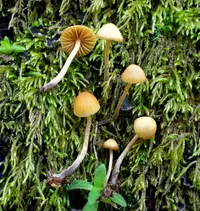
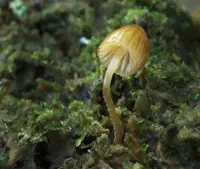
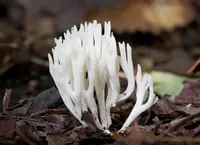
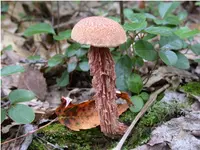
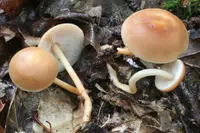
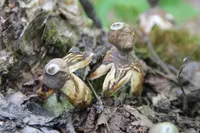
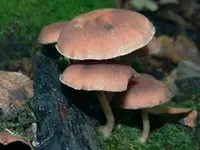
Common stump brittlegill, Psathyrella piluliformis, is a small saprotrophic mushroom that decomposes dead hardwood, especially old stumps and buried roots. It forms tight clusters of slender, fragile stems with smooth, bell-shaped to convex caps that start pale and darken as the spores mature.

This species is widespread in temperate forests, woodlands, and shaded parks across North America and Europe, often appearing after rain in cool seasons. It is not cultivated like edible mushrooms and is considered difficult to manage intentionally because it depends on well-decayed wood.

Those who wish to care for Common Stump Brittlestem in a managed setting need consistently damp, shaded conditions and access to rotting wood rather than typical potting soil.

Main Plant Requirements

Care Difficulty

Moderate Care

Light Preference

Shade

Water Requirements

Keep Soil Moist

Temperature Preference

Cool Climate

Hardiness Zone

Unknown

Soil Texture

Organic-rich, Peaty, Loamy

Soil pH

Acidic (5.5–6.5)

Soil Drainage

Moist but well-drained

Fertilization

Minimal (feed rarely)

Get Personalized Care Plan

Scan your plant to receive care tips personalized for your specific plant

Available on iOS and Android

How to Care for the Common Stump Brittlestem

This wood-rotting mushroom prefers low, forest-like light rather than direct sun exposure.

  • Provide bright shade or dappled woodland light, such as beneath deciduous trees, with 1–3 hours of weak early-morning sun at most.
  • Avoid strong midday or afternoon sun, which can dry out substrates and quickly desiccate Common Stump Brittlestem fruiting bodies.
  • In summer, increase shade using leaf litter, logs, or taller plants; in cooler seasons, slightly more open, filtered light is acceptable if substrates stay evenly moist.

Moisture management is critical because Psathyrella piluliformis fruits on consistently damp, decaying wood.

  • Keep the substrate (rotting stumps, logs, or woody debris) evenly moist, never waterlogged; surfaces should feel damp but not squishy when pressed.
  • Reapply water when the upper 1–2 cm of surrounding soil or mulch begins to feel less cool and visibly dull rather than dark and moist.
  • Reduce watering under cool, wet conditions to prevent standing water, but increase misting or gentle soaking during hot, dry, or windy weather to avoid cracking and rapid collapse of caps.

This species favors cool to mild conditions typical of shaded woodland environments.

  • Aim for an active fruiting range of about 50–68°F (10–20°C), where mycelium (the vegetative fungal network) and mushrooms develop most reliably.
  • Short exposures down to about 32°F (0°C) may be survived in the wood, but hard freezes can damage or halt visible fruiting bodies.
  • Above 77°F (25°C), fruiting becomes less reliable; combine shade and high humidity, and expect flushes mainly during cool, moist spring and autumn periods.

This wood-rotting fungus is not humidity sensitive in typical outdoor conditions and does not need targeted humidity control.

This species fruits best on consistently moist, organic-rich substrate rather than standard garden soil.

  • Use loose, well-aerated material such as decayed hardwood chips, shredded bark, and leaf litter instead of mineral soil.
  • Ensure moisture-retentive but free-draining structure; avoid compacted or clay-heavy mixes that stay waterlogged.
  • Maintain slightly acidic to neutral conditions around pH 5.5–7.0, which favor Psathyrella piluliformis development.
  • Refresh or top up decomposing organic material regularly so the substrate does not collapse and lose aeration.

This species is suitable for container growing when provided with a deep, stable, and evenly moist substrate.

  • Choose a wide, heavy container to prevent tipping as the substrate and clustered fruiting bodies add weight.
  • Use a tall pot or bucket to hold a thick layer of wood-based substrate that mimics a stump profile.
  • Elevate the container slightly so base holes drain freely and do not sit blocked against paving or soil.

This wood-decaying mushroom generally needs no fertilization when grown on nutrient-rich logs or stumps, so caring for Common Stump Brittlestem focuses on substrate choice instead of feeding.

Psathyrella piluliformis does not require pruning, as the fruiting bodies are short-lived and arise from buried wood or organic debris.

Transplanting focuses on moving colonized wood or substrate rather than individual Psathyrella piluliformis mushrooms.

  • Transplant only when the log or substrate is fully colonized and fruiting consistently but site conditions are no longer suitable.
  • Choose cool, moist seasons, such as early spring or fall, to reduce stress and drying of the mycelium network.
  • Move the entire colonized log or block gently, keeping it intact to avoid tearing the mycelium, and re-place it on similar shaded, moist ground.
  • Water lightly after relocating to settle soil contact around the wood and maintain steady humidity during the first few weeks.

Propagation of Psathyrella piluliformis is specialized and typically left to experienced growers or researchers rather than home cultivation.

Outdoor colonies are generally cold hardy and need no special winter care beyond stable habitat conditions.

Care Tips

Use hardwood blocks

To support reliable fruiting, inoculate small, well-soaked hardwood logs or blocks (e.g. beech, oak, maple) and partially bury them in shaded, moist ground so the substrate stays cool and structurally stable over multiple seasons.

Maintain stump moisture

If using a stump outdoors, staple or pin breathable landscape fabric loosely over the colonized area and mulch around (not over) it with wood chips or leaf mold to reduce moisture loss while still allowing gas exchange.

Staggered substrate batches

Prepare and inoculate several small batches of wood-based substrate a few weeks apart so that when one flush finishes, another block is approaching maturity, giving a more continuous harvest when growing Common Stump Brittlestem.

Gentle harvest technique

Harvest clusters by cutting them cleanly at the base with a sharp knife rather than twisting, which leaves the mycelium anchored in the wood and reduces mechanical damage that can lower future yields.

Spore load management

If fruiting near doors, windows, or air intakes, harvest caps just as they fully expand to limit heavy spore release that can settle on nearby surfaces and equipment and complicate monitoring of other cultivated fungi.

Common Pests and Diseases

Fungal parasitism

This disease occurs when faster-growing or aggressive fungi colonize the same decaying wood and overrun the mycelium. Symptoms include sudden reduction in fruiting, distorted caps, and patches of foreign mold or mushroom species on or near the colony.

Solution

Remove heavily colonized or contaminated wood and any foreign mushrooms, then replace with fresh, clean hardwood material to support the existing mycelium. Improve airflow and avoid overly wet, stagnant conditions that favor competitor fungi, which is an important part of Psathyrella piluliformis care.

Mucor mold contamination

This disease involves cottony, fast-spreading molds such as Mucor species colonizing substrate or fruiting bodies on damp, poorly ventilated wood. Symptoms include fluffy gray or white growth covering pins and young caps, which then collapse or fail to expand.

Solution

Physically cut away and discard contaminated sections of substrate and remove affected clusters. Reduce watering, increase airflow around stumps or logs, and avoid splashing water directly onto developing mushrooms to make conditions less favorable for this mold.

Fungus gnat larvae

These insects lay eggs in damp, organic substrates and the larvae feed on developing mycelium and tiny primordia. Symptoms include aborted pins, hollow or partially eaten stems, and small black adult gnats hovering around the fruiting area.

Solution

Remove heavily infested fruiting bodies and reduce surface moisture on the substrate to break the larval cycle. Use fine mesh or physical barriers around cultivation containers or sheltered stumps, and encourage airflow to discourage adults from laying eggs in the substrate.

Slugs and snails

These pests are attracted to the soft, water-rich fruiting bodies and feed at night. Symptoms include large ragged holes in caps, missing fruit bodies, and slime trails on or around the mushrooms and wood.

Solution

Hand-pick slugs and snails in the evening, and use physical barriers such as copper tape, coarse grit, or raised supports to limit access to logs or beds. Keep surrounding vegetation trimmed and debris minimal so there are fewer moist hiding spots near the mushrooms.

Interesting Facts

Specialist stump decomposer

This species almost always fruits in dense clusters from well-rotted hardwood stumps and buried wood, playing a key role in breaking down tough lignin and cellulose in temperate forests.

Delicate, rapidly collapsing cap

The caps are hygrophanous, meaning they change color as they lose moisture, and they deteriorate so quickly after maturity that the fruiting bodies may appear and collapse within a very short time window.

Diagnostic spore print color

It produces a dark purple-brown spore print, a feature used by mycologists to distinguish it from superficially similar brown woodland mushrooms on decaying wood.

FAQs about Common Stump Brittlestem

Identification of small brown mushrooms is difficult, and this species closely resembles several toxic lookalikes. It is generally treated as inedible and not collected for food. For safety, avoid eating it and consult local mycology experts instead.

Grow Healthy Plants with Botan Care

Keep your plants happy and healthy with plant identification, disease detection, and easy care guidance.

Botan plant care app — identify plants on mobile

Explore More Plants