spring toughshank Care (Gymnopus ocior)

spring toughshank

About spring toughshank

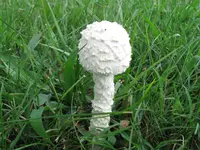
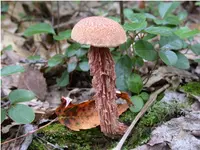
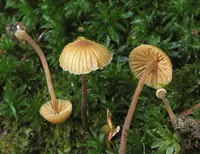
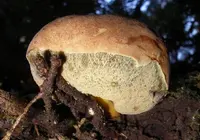
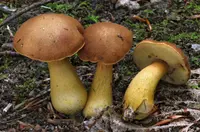
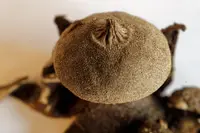
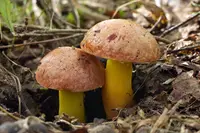
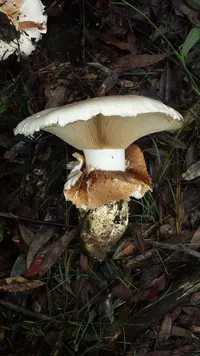
Spring toughshank, Gymnopus ocior, is a small saprotrophic mushroom that breaks down fallen leaves and wood debris in forests and woodland edges. It appears in loose clusters, with slender, tough stems and smooth, tawny to light brown caps.

This species is most often found in Europe and parts of North America, especially in mixed or deciduous woodlands rich in leaf litter. It is not commonly cultivated, so information on how to care for spring toughshank at home is limited.

In nature it favors moist, well-aerated organic substrates, moderate shade, and stable humidity, conditions that can be difficult to replicate consistently in typical garden or indoor settings.

Main Plant Requirements

Care Difficulty

Moderate Care

Light Preference

Shade

Water Requirements

Keep Soil Moist

Temperature Preference

Cool Climate

Hardiness Zone

Unknown

Soil Texture

Loamy, Organic-rich

Soil pH

Acidic (5.5–6.5)

Soil Drainage

Moist but well-drained

Fertilization

Minimal (feed rarely)

Get Personalized Care Plan

Scan your plant to receive care tips personalized for your specific plant

Available on iOS and Android

How to Care for the spring toughshank

This woodland fungus grows best in cool, shaded sites with limited direct sun.

  • Provide dappled or filtered light under trees, shrubs, or leaf litter, with no more than 1–2 hours of weak morning sun and full shade the rest of the day.
  • Avoid strong midday or afternoon sun, which rapidly dries the substrate and suppresses fruiting bodies of spring toughshank.
  • In dry, bright periods, increase shade using leaf litter or debris to reduce surface light and retain moisture needed for reliable emergence.

This saprophytic fungus depends on consistently moist, but not waterlogged, organic substrate.

  • Aim for leaf litter or decaying wood that feels evenly damp 2–5 cm deep, never bone dry or soupy, and use fingers to check moisture rather than following a fixed schedule.
  • Improve drainage with loose leaf litter, small twigs, and well-rotted wood so excess rain can drain away, reducing standing water that encourages rot of mycelium and competing molds.
  • During warm, dry spells, lightly moisten the habitat when the surface feels dry and crisp, but avoid pooling water; pale, shriveled caps often indicate drought stress.

This species fruits best in mild, cool conditions typical of spring and autumn woodlands.

  • Optimal fruiting usually occurs around 50–64°F (10–18°C), with damp air and moist substrates supporting steady development of caps and stems.
  • The mycelium in soil or litter often survives brief drops near 32°F (0°C), but hard, prolonged frost below this can damage tissue and delay fruiting.
  • High temperatures above 77–82°F (25–28°C) combined with dry air quickly desiccate substrates, so shaded, moist microhabitats help buffer heat during summer.

This woodland fungus prefers consistently moist air close to the forest floor, around 60–80% humidity.

  • Tolerates brief dips to 40–50% humidity but fruiting bodies dry and shrivel if air stays drier.
  • Low humidity stress shows as caps cracking, edges curling upward, and faster cap desiccation after emergence.
  • To mimic natural conditions for spring toughshank, keep surrounding leaf litter damp, mist nearby surfaces, or run a humidifier outdoors in sheltered setups.

This species fruites best in loose, organic-rich substrate that mimics decomposing leaf litter on a forest floor.

  • Use a mix of shredded hardwood leaves, fine bark, and well-aged wood chips, with only a small amount of mineral soil to support structure.
  • Ensure the substrate stays moist but never waterlogged; a loose, crumbly texture allows fast drainage while still holding surface moisture.
  • Aim for slightly acidic to neutral conditions, roughly pH 5.5–7.0, which favor Gymnopus ocior colonization and fruiting.
  • Avoid compacted, clay-heavy, or heavily fertilized garden soil, which restricts aeration, slows mycelium spread, and can favor competing molds.

This fungus is suitable for container growing when the container mimics a shallow, well-drained woodland substrate bed.

  • Choose a wide, shallow, rigid container to spread the substrate horizontally, which supports the fungus’s natural mat-forming mycelium growth.
  • Drill extra side drainage holes near the base so excess water escapes quickly and the woody substrate cannot stagnate.
  • Use opaque or dark-colored containers to block light from the substrate sides, which helps keep the mycelium zone cooler and more evenly moist.

This woodland fungus generally thrives without added nutrients, but light feeding can support cultivation in controlled setups when caring for spring toughshank.

  • Use a very dilute balanced NPK solution (around 1/4 strength) only if grown in sterile or nutrient-poor substrate.
  • Apply at most every 4–6 weeks during active growth, monitoring for any signs of stress or contamination.
  • Avoid heavy manures; a thin layer of well-aged leaf compost around the substrate can mimic forest litter.
  • Stop feeding in winter or any dormant phase to limit excess salts and unwanted microbial overgrowth.

Pruning for Gymnopus ocior is minimal and focuses on hygiene rather than shaping.

  • Remove spent or decaying fruiting bodies with clean scissors or by gently twisting them off at the base.
  • Discard any moldy or discolored tissue promptly to limit spread of competing fungi or bacteria.
  • Avoid disturbing the underlying mycelium; do not dig or cut into the substrate when trimming.
  • Maintain clean tools and hands to reduce contamination of the growing medium.

Gymnopus ocior is usually managed by renewing substrate rather than classic repotting, especially in cultivation trays or small containers.

  • Plan substrate renewal or transplanting during a less active fruiting phase to reduce stress on the mycelium network.
  • Watch for substrate collapse, contamination, or very dense mycelial mats as signs that a fresh medium is beneficial.
  • Move colonized substrate gently into new, similar medium, keeping moisture and airflow steady to limit shock.
  • Avoid washing or heavily disturbing the mycelium; transfer in intact sections and maintain stable temperature and humidity afterward.

Propagation of Gymnopus ocior is typically done through mycelium expansion rather than standard plant methods.

  • Use colonized substrate or agar cultures to start new trays or beds, keeping conditions clean to reduce contamination.
  • Introduce small pieces of active mycelium into fresh, moist, lignin-rich material such as leaf litter or fine wood debris.
  • Carry out transfers during moderate temperatures, avoiding temperature extremes that slow colonization.
  • Maintain high but not saturated moisture and good air exchange to support steady mycelial growth.

Outdoor colonies of Gymnopus ocior in natural woodland settings usually need little targeted winter care.

  • In very cold climates, a 3–5 cm layer of loose leaf litter or wood chips can buffer freeze–thaw cycles around the substrate.
  • For container cultures, move trays to a sheltered, cool but frost-free place when temperatures drop below about 25°F.
  • Avoid waterlogged substrates in winter; ensure drainage so frozen, saturated media do not damage the mycelium.

Care Tips

Use fresh substrate

Prepare clean, pasteurized hardwood sawdust or well-weathered woodchip mix before inoculation, as a low-contamination substrate is critical for growing spring toughshank successfully.

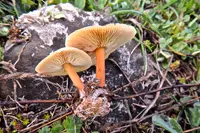
Thin dense clusters

When many fruiting bodies emerge tightly packed, remove a few carefully at the base with a clean blade to improve air movement and reduce moisture trapping that can favor molds.

Rotate fruiting trays

Turn trays or blocks 90° every 1–2 days during fruiting so caps develop more evenly and stems do not lean excessively toward a single light source.

Harvest at correct stage

Cut mushrooms when caps are just fully expanded but before edges flatten and dry, which maintains better texture and encourages repeat flushes from the same substrate.

Rest blocks between flushes

After a harvest, allow the colonized block to rest for 5–7 days with slightly reduced moisture before rehydrating, which helps the mycelium recover and produce a stronger subsequent flush.

Common Pests and Diseases

Fungicolous molds

This disease involves secondary molds colonizing the fruiting bodies, forming white, gray, or green fuzzy growth on caps and stems. Symptoms include slowed development, misshapen mushrooms, and premature collapse.

Solution

Remove and discard affected mushrooms promptly to reduce spore spread, and avoid splashing water directly on caps. Improve air movement, thin dense clusters, and reduce excessive surface moisture on the substrate to limit mold development.

Mycophagous springtails

These insects are tiny, white to gray jumping arthropods that feed on fungal tissue and mycelium in very damp substrates. This pest usually appears in large numbers on the substrate surface and around developing mushrooms, sometimes scarring young stems and caps.

Solution

Allow the substrate surface to dry slightly between mistings while avoiding full desiccation, and improve drainage so water does not pool. Physically remove heavily infested clusters, use sticky traps around the growing area, and, if needed, apply a targeted, substrate-safe biological control such as predatory mites that feed on springtails.

Fungus gnat larvae

These insects lay eggs in moist organic matter, and the larvae can tunnel through mycelium and young mushroom bases. Symptoms include weakened stems, aborted pins, and small entry holes at the base of clusters.

Solution

Reduce excess moisture and eliminate standing water, and use fine mesh or screens to limit adult access to the substrate. Apply biological controls such as Bacillus thuringiensis israelensis (Bti) or introduce predatory nematodes to target larvae in the substrate while remaining safe for the fungus.

Bacterial blotch

This disease causes greasy, yellow to brown spots or patches on caps that can become slimy in very wet conditions. Symptoms include localized softening of tissue and reduced shelf life of harvested mushrooms.

Solution

Avoid overhead watering and persistent surface wetness on caps by misting the air or substrate instead of the mushrooms directly. Remove and discard affected fruiting bodies, improve ventilation, and keep tools and containers clean to limit bacterial spread.

Interesting Facts

Spring fruiting pattern

This saprotrophic fungus typically fruits in spring to early summer, appearing earlier in the year than many other Gymnopus species that are more strongly associated with autumn flushes.

Preference for leaf litter

It commonly develops on rich deciduous leaf litter, especially in broadleaf woodlands, where its dense mycelium helps break down fallen leaves and recycle nutrients back into the soil.

Subtle identification features

The species is distinguished by its relatively slender, often slightly curved stipe and pale to warm brown cap, along with microscopic traits such as smooth, inamyloid spores, which help separate it from closely related spring-fruiting Gymnopus species.

FAQs about spring toughshank

This woodland mushroom is considered edible but is small, thin-fleshed, and not highly valued. Correct identification is critical, as similar brown mushrooms can be harmful. Many foragers leave it and choose more distinctive species instead.

Grow Healthy Plants with Botan Care

Keep your plants happy and healthy with plant identification, disease detection, and easy care guidance.

Botan plant care app — identify plants on mobile

Explore More Plants