Gastroboletus turbinatus Care

Gastroboletus turbinatus

About Gastroboletus turbinatus

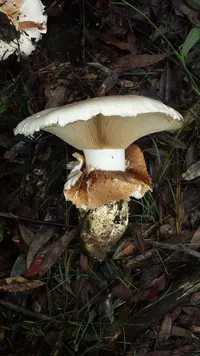
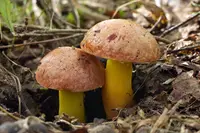
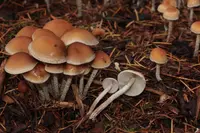
Gastroboletus turbinatus is a mycorrhizal mushroom-forming fungus, not a leafy houseplant. It grows from soil as thick, often irregular fruiting bodies rather than stems and leaves. Caps are usually brownish to yellow-brown, with a swollen or turban-like base and pores instead of gills underneath. This species is associated mainly with conifer forests in parts of North America, where it forms symbiotic relationships with tree roots. Its specialized habitat and mycorrhizal lifestyle make it unsuitable for ordinary container culture and very challenging to cultivate at home. For most people, how to care for Gastroboletus turbinatus is more about conserving its woodland environment than growing it indoors.

Main Plant Requirements

Care Difficulty

Moderate Care

Light Preference

Partial Shade

Water Requirements

Moderate Water

Temperature Preference

Warm Climate

Hardiness Zone

Unknown

Soil Texture

Loamy

Soil pH

Slightly acidic (6.5–7.0)

Soil Drainage

Well-drained

Fertilization

Minimal (feed rarely)

Get Personalized Care Plan

Scan your plant to receive care tips personalized for your specific plant

Available on iOS and Android

How to Care for the Gastroboletus turbinatus

This ectomycorrhizal fungus prefers dappled woodland light rather than direct, open sun.

  • Provide 2–4 hours of gentle morning sun filtered through tree canopies, with bright shade or light woodland shade for the rest of the day.
  • Avoid strong midday and afternoon sun, which can overheat the upper soil layer and dry the organic litter that supports Gastroboletus turbinatus.
  • Maintain partial shade through the year; in deciduous woods, fallen leaves in autumn help buffer increased light after canopy thinning.

Moist, well‑drained soil in a stable woodland setting supports reliable fruiting.

  • Allow the top 2–5 cm of soil and leaf litter to stay slightly moist but never waterlogged, aiming for slow, even moisture rather than frequent surface wetting.
  • Use soil rich in organic matter with good drainage so excess rain can percolate away, reducing the risk of fungal rot in fine roots of the host trees.
  • During extended dry periods, light, infrequent soaking that penetrates 10–15 cm is preferable to shallow splashing, which encourages cracking and desiccation.

This woodland fungus favors mild to cool conditions typical of temperate forests.

  • Optimal fruiting often occurs around 55–70°F (13–21°C), with mycelial growth in soil functioning over a broader cool range when moisture is stable.
  • Tolerates short dips close to 32°F (0°C) in soil but is sensitive to hard, prolonged frost, which can damage surface fruiting bodies and suppress activity.
  • Handles moderate summer warmth up to about 80°F (27°C) if shaded and moist; sustained hotter, dry conditions sharply reduce visible Gastroboletus turbinatus production.

Humidity is not a major factor for Gastroboletus turbinatus, which develops primarily in soil and forest-floor microclimates rather than from ambient air moisture.

This ectomycorrhizal fungus depends on specific forest soil conditions rather than a standard horticultural potting mix.

  • Prefers loose, well-aerated, organic-rich forest soil with abundant leaf litter and decaying wood fragments supporting host tree roots.
  • Requires free-draining, non-compacted soil; avoid waterlogged, clay-heavy, or heavily mulched areas that remain saturated after rain.
  • Thrives in slightly acidic soil, typically pH 5.0–6.5, common under conifer or mixed woodland canopies.
  • For studying or simulating growth, mimic native woodland soil by combining sandy loam, conifer duff, and mature compost around compatible host trees.

This species is not suitable for container growing because it relies on complex ectomycorrhizal associations with tree roots in open soil.

This ectomycorrhizal fungus relies mainly on its tree hosts for nutrients and usually does not need direct fertilization.

As a wild ectomycorrhizal mushroom, Gastroboletus turbinatus is not pruned in the conventional horticultural sense.

This species is not suited to normal container culture, so management focuses on site choice and minimal disturbance rather than repotting.

  • Avoid attempting to transplant established colonies, as the fungus depends on a wide, delicate network of mycorrhizal roots with its host tree.
  • If moving young host trees, keep as much native soil around the root ball as possible to preserve fungal associations.
  • Plan any landscaping or soil work outside the main root zone of host trees to reduce disruption of fungal mycelium.
  • Allow stable, undisturbed soil structure; repeated digging or soil compaction can reduce fruiting and long‑term persistence.

Propagation of this mycorrhizal fungus is specialized and not typically attempted by home growers.

This forest fungus is naturally cold hardy in its native range and generally needs no targeted winter care.

Care Tips

Host tree focus

Survey nearby conifers and focus on maintaining healthy root zones for compatible host trees, since this ectomycorrhizal fungus depends on living roots rather than stand‑alone cultivation.

Minimal soil disturbance

Avoid rototilling, heavy raking, or frequent digging in the fruiting area, because disturbance can damage the underground mycelium and sharply reduce future mushroom production.

Leaf litter management

Allow a thin layer of natural conifer litter to remain as a protective mulch, but gently remove thick, matted layers that stay soggy, which can reduce aeration around the mycelial network.

Careful foot traffic

Limit walking, parking, or placing heavy objects over likely fruiting zones, since compaction of the top 5–10 cm of soil can inhibit both gas exchange and future fruiting bodies.

Seasonal mapping

Mark the exact locations of fruiting bodies each season with discreet flags or a simple site map to build a record that helps in caring for Gastroboletus turbinatus by protecting the most productive mycelial patches over many years.

Common Pests and Diseases

Mycophagous springtails

These insects feed on fungal tissues, including young fruiting bodies and mycelium in very damp substrates. Symptoms include pitted, scarred, or collapsing caps emerging from heavily moist, organic soil or debris.

Solution

Reduce constant surface moisture by improving drainage and using slightly coarser substrate, then remove and discard heavily damaged fruiting bodies. If populations are high, disturb and thin dense leaf litter, use sticky traps at the soil surface, and allow the top layer to dry slightly between waterings while maintaining the deeper layer just moist enough to support growing Gastroboletus turbinatus.

Fungus gnat larvae

These insects thrive in persistently wet organic media and chew on developing fungal tissues and fine mycelium. Symptoms include aborted or deformed young fruiting bodies and a soft, waterlogged substrate with many tiny black adult gnats flying nearby.

Solution

Allow the upper substrate layer to dry slightly between irrigations, improve air movement around the growing container, and remove decaying organic matter on the surface. Use yellow sticky traps to reduce adults and consider a biological control such as Bacillus thuringiensis israelensis (BTI) drenches, following label directions, to target larvae without harming the fungal colony.

Slugs and snails

These pests are attracted to fleshy fungal caps and can remove tissue rapidly, leaving irregular holes, shredded margins, and slime trails on or near the fruiting bodies. Symptoms include missing caps overnight and ragged damage at the base of the mushroom.

Solution

Hand-pick slugs and snails in the evening, reduce dense ground cover that provides hiding places, and use physical barriers such as copper tape or rough grit around small outdoor beds. Where necessary, apply iron phosphate slug pellets sparingly around but not directly on fruiting zones, following label instructions to limit non-target impacts.

Fungal parasitism

This disease results from competing or parasitic fungi colonizing the same substrate or directly attacking the mycelium, leading to discolored, patchy, or cottony growths that overrun the intended colony. Symptoms include poor or absent fruiting, distorted caps, and unusual surface mold colors such as gray, green, or thick white mats.

Solution

Remove and discard contaminated substrate sections and any malformed or mold-covered fruiting bodies, then adjust conditions to favor the host fungus by providing stable, moderate moisture and improved airflow. For controlled cultivation, start from clean inoculum, use pasteurized or sterilized substrate, and separate contaminated containers from healthy cultures to prevent further spread.

Interesting Facts

Distinctive turban-shaped cap

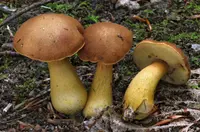
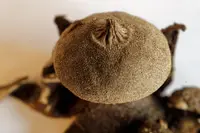
This bolete is recognized by its thick, often irregularly turban- or cushion-shaped cap that can appear somewhat deformed compared with the smoother domes of many related boletes.

Unusual pore surface staining

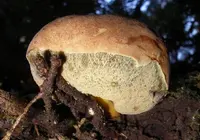
The pore surface starts pale and can slowly stain brownish with handling or age, rather than showing the rapid and dramatic blue staining seen in some other boletes.

Restricted western distribution

This species has been documented mainly in coniferous forests of western North America, especially in association with pine, and is not known as a widespread or cosmopolitan bolete.

FAQs about Gastroboletus turbinatus

This bolete is generally regarded as inedible or of no culinary value. Identification of wild fungi is difficult, and some similar species are dangerously toxic, so it is safest not to eat this species at all.

Grow Healthy Plants with Botan Care

Keep your plants happy and healthy with plant identification, disease detection, and easy care guidance.

Botan plant care app — identify plants on mobile

Explore More Plants