white coral fungus Care (Ramariopsis kunzei)

Also known as: white coral, ivory coral
white coral fungus

About white coral fungus

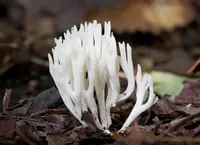
White coral fungus, Ramariopsis kunzei, is a small saprophytic fungus that feeds on decaying organic matter rather than living as a typical green plant. It forms delicate, branching, coral-like clusters that are usually bright white, often appearing like tiny underwater corals growing from the forest floor.

This species is most often found in temperate woodlands, grassy clearings, and mossy areas, especially where soil is rich in leaf litter. Its fine, brittle structure and reliance on specific fungal-friendly conditions make it more sensitive to disturbance and harder to cultivate than many garden plants.

Those interested in how to care for white coral fungus should know it generally prefers cool, moist, shaded environments and undisturbed, humus-rich soil or substrate.

Main Plant Requirements

Care Difficulty

Hard Care

Light Preference

Partial Shade

Water Requirements

Keep Soil Moist

Temperature Preference

Cool Climate

Hardiness Zone

Unknown

Soil Texture

Loamy, Silty, Organic-rich

Soil pH

Acidic (5.5–6.5)

Soil Drainage

Moist but well-drained

Fertilization

Minimal (feed rarely)

Get Personalized Care Plan

Scan your plant to receive care tips personalized for your specific plant

Available on iOS and Android

How to Care for the white coral fungus

Ramariopsis kunzei develops best in low, dappled woodland light that mimics its natural forest-floor habitat.

  • Provide bright, indirect light or full shade with short periods of weak morning sun, around 1–3 hours per day at most.
  • Avoid direct midday or afternoon sun, which can overheat the substrate and dry surface wood or litter, slowing or stopping fruiting of the white coral fungus.
  • In summer, increase shading with leaf litter or canopy cover; in late autumn, protect from sudden exposure if overstory leaves drop quickly.

This fungus depends on consistently moist, but not waterlogged, forest-floor conditions to fruit well.

  • Maintain evenly moist soil or leaf litter; surface should feel damp but not squelchy, and puddles should drain within a few hours after rain or irrigation.
  • Use loose, well-draining organic substrate so water moves through; persistent standing water or sour, rotten smells indicate overwatering and poor aeration.
  • During hot, dry periods, water lightly when the top 1–2 cm feel just barely moist, while in cool, wet seasons rely mainly on natural rainfall and reduce added water.

Stable, cool to mild temperatures support reliable fruiting and mycelium health for this woodland fungus.

  • Aim for 50–65°F (10–18°C) during active fruiting, which often coincides with cool, moist autumn conditions in temperate climates.
  • Ramariopsis kunzei tolerates brief drops near 32°F (0°C), but hard frost and repeated freeze–thaw cycles can damage fruiting bodies and slow mycelial activity.
  • Sustained heat above 77°F (25°C), especially when combined with low humidity, stresses the organism; provide shade and extra moisture buffering during hot spells.

This fungus prefers consistently moist air but tolerates a moderate indoor range if the substrate never dries.

  • Aim for 60–80% humidity, using a hygrometer to avoid air that is too dry for reliable fruiting.
  • Tolerates short dips to 40–50% if the growing substrate stays evenly damp and not waterlogged.
  • Crumpling, shrinking, or browning tips signal low humidity; raise levels by tenting the culture with ventilated plastic or placing it in a humid chamber with water trays.

Ramariopsis kunzei develops best in a loose, organic-rich substrate that holds moisture yet drains freely.

  • Use a fine, well-aerated mix based on leaf mold or composted hardwood material blended with about 30–40% vermiculite or perlite.
  • Aim for slightly acidic to neutral conditions (pH 5.5–7.0), avoiding strongly alkaline mineral soils that suppress fungal activity.
  • Keep structure crumbly, not compacted; mix in coarse particles or shredded bark to maintain air spaces around the mycelium.
  • Avoid dense clay, peat-only mixes, or substrates that stay soggy, which favor competing molds and bacterial rot.

This species can be grown in containers if moisture and air exchange are carefully controlled.

  • Choose a broad, shallow tub or tray so the substrate layer stays 5–10 cm deep, which supports even mycelial spread without anaerobic pockets.
  • Drill multiple small side and base holes, then cover them with fine mesh to improve gas exchange while keeping the delicate substrate in place.
  • Use opaque or dark-colored containers to limit light penetration into the substrate, reducing competing algae and helping maintain stable moisture near the surface.

Ramariopsis kunzei is a saprophytic fungus that generally does not need added fertilizer when grown in suitable, humus-rich substrate.

Ramariopsis kunzei does not require classic pruning, but small hygiene interventions help maintain clean culture conditions.

  • Remove spent or decaying fruiting bodies at the base using clean scissors or a sharp knife.
  • Discard any malformed, moldy, or insect-damaged clusters to reduce contamination risk.
  • Avoid cutting into the substrate; leave mycelium undisturbed to support future fruiting.
  • Use disinfected tools and clean hands or gloves to limit introduction of competing fungi.

This fungus is rarely grown in standard pots; focus on renewing or shifting its substrate rather than true repotting.

  • Transplant or refresh substrate when fruiting declines, growth becomes patchy, or contamination appears.
  • Plan moves outside peak fruiting, usually late fall after collapse of white coral fungus structures or early spring before new growth.
  • Shift colonized substrate gently into fresh, loose, humus-rich medium, keeping mycelium blocks as intact as possible.
  • Minimize drying and temperature swings during and after transplant, and water lightly to settle the new substrate without waterlogging.

Ramariopsis kunzei is usually propagated through mycelium rather than traditional plant methods, and this is technically demanding for most home growers.

In outdoor, soil-based situations, this species is generally cold hardy and needs little specific winter care.

Care Tips

Use clean substrate

Prepare fruiting containers with pasteurized, not fully sterilized, woody-based substrate (such as well-soaked, pasteurized hardwood shavings) to reduce competitive molds while still providing some microbial partners for growing white coral fungus.

Control air exchange

Provide very gentle, filtered fresh air exchange around the fruiting area using a small fan on a low setting away from direct airflow, which helps prevent CO2 buildup that can cause lanky, distorted coral branches.

Monitor microclimate

Place a small hygrometer and thermometer at the level of the substrate surface so you can track the actual microclimate where the coral bodies form, rather than relying on room readings alone.

Gentle harvest technique

Harvest clusters by cutting them cleanly at the base with a disinfected blade instead of pulling, which protects the underlying mycelium so it can fruit again in later flushes.

Rotate fruiting trays

Rotate trays or containers a quarter turn every 1–2 days under artificial light so coral branches develop evenly and do not lean or crowd toward a single light source.

Common Pests and Diseases

Trichoderma overgrowth

This disease appears as fast-spreading green patches that overrun the white coral structures and substrate. Symptoms include loss of distinct coral branches and a dull, felt-like green or bluish growth.

Solution

Remove and discard heavily contaminated substrate and fruiting bodies, then thoroughly clean the container and tools with 70% isopropyl alcohol or a dilute bleach solution (1:10). Improve air exchange, avoid over-watering, and use properly sterilized or pasteurized substrate to reduce future contamination when growing white coral fungus indoors or in culture trays.

Mucor cobweb mold

This disease produces rapidly spreading, grey to light-brown, cobweb-like growth across the substrate and fungal base. Symptoms include softening and collapse of the coral branches where the mold contacts them.

Solution

Quickly remove and discard affected sections and reduce humidity slightly while increasing airflow around the culture. Clean the vessel, reduce stagnant pockets of air, and start new cultures from clean tissue or spore prints handled with sterile tools.

Bacterial soft rot

This disease causes localized wet, slimy, translucent patches at the base or on the branches, often with an unpleasant odor. Symptoms include tissue collapse, discoloration to beige or tan, and a greasy surface appearance.

Solution

Discard all visibly affected material immediately and sanitize the growing container with hot water and disinfectant. Avoid water pooling on the fruiting bodies, use clean, low-mineral water, and ensure good drainage and moderate humidity (around 80–85%) rather than constant saturation.

Fungus gnat larvae

These insects lay eggs in moist substrate, and the larvae feed on fine fungal tissue and mycelium. Symptoms include thinning or breakage of delicate coral tips and slow regeneration of new fruiting bodies.

Solution

Allow the top layer of substrate to dry slightly between mistings, use fine mesh over air vents, and remove decaying organic debris that attracts adults. For persistent infestations, apply a biological control such as Bacillus thuringiensis israelensis (Bti) to the substrate according to label directions.

Interesting Facts

Tiny coral fruiting bodies

This fungus forms very small, bushy, white fruiting bodies that often stay under 2 cm tall, giving the appearance of miniature coral forests scattered across moss or leaf litter.

Indicator of mossy habitats

Ramariopsis kunzei is frequently associated with damp, moss-rich microhabitats in forests, lawns, and parklands, and its presence can indicate stable, relatively undisturbed, moist soil conditions.

Widespread but easily overlooked

Although distributed across multiple continents in temperate regions, it is often missed because the fruiting bodies are fragile, quickly degrade, and blend into pale backgrounds like dry grass or pale moss.

FAQs about white coral fungus

This fungus develops fruiting bodies quite quickly, often appearing and reaching noticeable size within several days under moist, cool conditions. Growth slows or stops when the substrate dries, temperatures rise too high, or competing fungi dominate the same material.

Grow Healthy Plants with Botan Care

Keep your plants happy and healthy with plant identification, disease detection, and easy care guidance.

Botan plant care app — identify plants on mobile

Explore More Plants