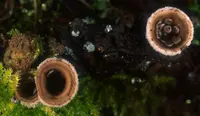
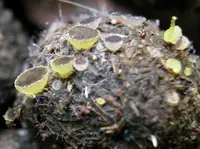
dwarf bell Care (Galerina pumila)

dwarf bell

About dwarf bell

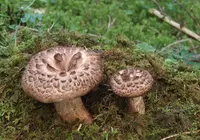
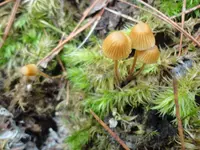
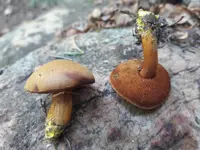
Dwarf bell, Galerina pumila, is a very small, short-lived mushroom rather than a leafy houseplant. It forms delicate, bell-shaped brown caps on thin stems. The fungi usually appear in clusters on mossy soil, decaying wood, or forest litter in cool, moist habitats. It is mainly found in temperate regions of the Northern Hemisphere. Because Galerina species can be difficult to distinguish and some are dangerously poisonous, this is not a species to forage or experiment with. For those studying fungi rather than growing them, understanding how to care for dwarf bell is mostly about respecting its natural forest-like, moist, shaded environment.

Main Plant Requirements

Care Difficulty

Moderate Care

Light Preference

Partial Shade

Water Requirements

Moderate Water

Temperature Preference

Cool Climate

Hardiness Zone

Unknown

Soil Texture

Loamy, Peaty, Organic-rich

Soil pH

Acidic (5.5–6.5)

Soil Drainage

Moist but well-drained

Fertilization

Minimal (feed rarely)

Get Personalized Care Plan

Scan your plant to receive care tips personalized for your specific plant

Available on iOS and Android

How to Care for the dwarf bell

This small woodland fungus prefers soft, filtered light similar to a shaded forest floor.

  • Provide bright shade or dappled light under shrubs or trees, with no more than 1–2 hours of weak morning sun and no direct mid-day or afternoon sun.
  • Site dwarf bell where it receives consistent partial shade; strong sun can dry the substrate quickly and scorch fruiting bodies, reducing their lifespan.
  • In summer, protect from intense sun with leaf litter or low vegetation; in cooler seasons, slightly brighter but still indirect light is acceptable.

Moist, well-drained, humus-rich ground supports consistent development of Galerina pumila fruiting bodies.

  • Maintain evenly moist conditions in the upper 2–5 cm of soil or decaying wood, avoiding both waterlogged patches and complete drying out.
  • Use organic matter such as leaf litter or fine bark to retain moisture while allowing excess water to drain away after rain.
  • In hot, dry weather, watch for shrinking, brittle caps as a sign of low moisture, and for slimy, rotting bases as a sign of prolonged saturation.

This species favors cool to mild conditions typical of shaded woodland habitats.

  • Aim for 50–68°F (10–20°C) as the main fruiting range, which supports stable development of caps and stems.
  • It tolerates down to about 32°F (0°C), but hard frost or repeated freeze–thaw cycles can damage existing fruiting bodies and reduce further production.
  • Sustained heat above 77–82°F (25–28°C), especially with low humidity, shortens lifespan; deeper shade and organic mulch help buffer temperature swings.

This small fungus has minimal humidity sensitivity and usually does not require special adjustment in outdoor conditions.

Galerina pumila develops on decaying wood or very loose, organic-rich forest litter rather than conventional garden soil.

  • Substrate should be soft, crumbly, and high in decomposed wood or leaf litter, mimicking a rotting log surface.
  • Ensure constant but not waterlogged moisture by using a loose, airy mix that drains freely yet holds some water.
  • A slightly acidic environment around pH 5.0–6.0 suits this species, typical of conifer or mixed woodland duff.
  • Avoid compacted mineral soils, manure-heavy mixes, or sterile potting substrates that lack lignin-rich woody debris.

This species is not suitable for typical container cultivation, as it depends on natural woodland decay processes rather than managed pot culture.

Galerina pumila typically grows on nutrient-poor forest substrates and does not benefit from routine garden fertilization.

Pruning is not a standard practice for Galerina pumila, which is a small, short-lived mushroom forming delicate fruiting bodies.

Transplanting this wild saprophytic fungus is rarely successful and generally not recommended outside specialized cultivation.

  • Avoid disturbing natural colonies; the mycelium network in decaying wood or leaf litter is easily damaged by digging or moving substrate.
  • If study or observation requires relocation, move a small intact piece of the original substrate rather than bare fruiting bodies.
  • Carry substrate in a breathable container, keep it slightly moist, and minimize temperature swings during transport.
  • Place the transplanted substrate in a similar shaded, cool, and humid site, then avoid further disturbance so the mycelium can recover.

Propagation of Galerina pumila is specialized and typically undertaken only for scientific purposes, not for ornamental cultivation.

No active winter care is used for this wild fungus, which completes its life cycle naturally with seasonal conditions.

Care Tips

Spore print checks

If cultivating for study, routinely take spore prints on white and dark paper to confirm the rusty-brown spore color and reduce the risk of confusing this toxic species with similar small mushrooms.

Controlled substrate batches

Prepare small, clearly labeled substrate batches and track dates and conditions so you can compare which mix and moisture regime gives the most reliable and safe fruiting for growing dwarf bell under controlled conditions.

Strict contamination control

Disinfect tools, work surfaces, and containers before handling mycelium or fruiting bodies, and discard any batch that shows unusual colors or odors to prevent spread of molds or unwanted fungi.

Secure growing area

Maintain cultivation trays or cultures in a clearly marked, inaccessible space so children, pets, and uninformed adults cannot accidentally contact or ingest this poisonous fungus.

Careful disposal practices

Seal unwanted cultures, spent substrate, and fruiting bodies in bags before discarding, and do not compost them, to avoid accidental spread outdoors or unintentional contact by wildlife or people when caring for dwarf bell in a home or lab setting.

Common Pests and Diseases

Mycophagous springtails

These insects feed on fungal tissues and can be seen moving in clusters over moist fruiting bodies and surrounding substrate. This pest may scar caps and stems, causing cosmetic damage and accelerating decay.

Solution

Reduce excessive surface moisture by improving drainage and ventilation around the cultivation container, and allow the substrate surface to dry slightly between misting. If numbers are high, remove heavily colonized debris, use yellow sticky traps nearby, and, in severe cases, replace the top layer of substrate to physically reduce the population.

Fungus gnat larvae

This pest lives in damp, organic substrates and can tunnel through developing fungal tissue, weakening small fruiting bodies. Adults resemble tiny mosquitoes flying around the growing area.

Solution

Allow the upper substrate layer to dry slightly, use fine-mesh covers over air inlets, and place yellow sticky cards to capture adults. In persistent cases, apply a biological control such as Bacillus thuringiensis var. israelensis (BTI) according to label directions to target larvae in the substrate without harming the fungus.

Mite infestation

These insects, especially mycophagous mites, graze on delicate fungal tissues and spores, leading to pitted caps, distorted growth, or slowed development. Infestations are more common in warm, stagnant, and very humid setups with organic debris buildup.

Solution

Physically remove heavily infested fruiting bodies and clean the surrounding surfaces, then improve airflow and avoid overcrowding of cultures. For ongoing problems, introduce biological controls such as predatory mites suited to fungus-growing environments or briefly lower humidity and temperature within safe limits to make conditions less favorable for mites.

Bacterial blotch

This disease causes water-soaked, greasy spots on caps and stems, which may turn yellowish or brown and feel slimy under very wet conditions. Symptoms include increased softness and rapid deterioration of affected fruiting bodies in areas with standing water droplets.

Solution

Limit overhead misting, avoid water standing on caps, and increase air movement to dry surfaces quickly while maintaining general humidity. Remove and discard affected fruiting bodies and nearby debris, disinfect tools and containers with a mild bleach solution, and adjust watering to produce fine mist rather than large droplets.

Competitive saprophytic molds

This disease group includes fast-growing molds such as Trichoderma and Penicillium that colonize the same substrate, forming green, blue, or white patches that overrun mycelium. Symptoms include stunted or aborted fruiting bodies and patches of discolored, fuzzy growth on the substrate surface.

Solution

Promptly remove and discard contaminated sections of substrate with clean tools, avoiding contact with healthy areas, and reduce airborne spores by gently covering the container during removal. Improve hygiene by sterilizing or pasteurizing new substrate, cleaning containers and tools between uses, and maintaining slightly lower humidity and better airflow to favor the established mycelium over aggressive molds for effective Galerina pumila plant care.

Interesting Facts

Mountain conifer specialist

This small brown mushroom typically fruits among mosses in subalpine and montane conifer forests, especially under spruce and fir, rather than in lowland broadleaf woods.

Cold-season fruiting

In many parts of its range, it produces fruiting bodies in cool conditions from late summer into autumn, reflecting adaptation to short growing seasons at higher elevations.

Tiny but spore‑rich

Despite its very small caps, it develops well-formed gills that release large numbers of brown spores, contributing significantly to wood and litter decomposition in its microhabitat.

FAQs about dwarf bell

This fungus is not considered edible and should be treated as potentially poisonous. Many small brown Galerina species contain serious toxins. Never eat wild mushrooms unless identified as safe by an experienced mycologist or trusted local authority.

Grow Healthy Plants with Botan Care

Keep your plants happy and healthy with plant identification, disease detection, and easy care guidance.

Botan plant care app — identify plants on mobile

Explore More Plants