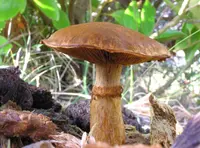
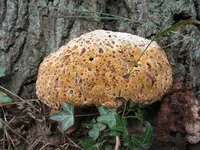
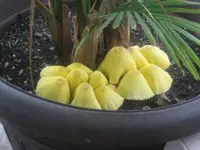
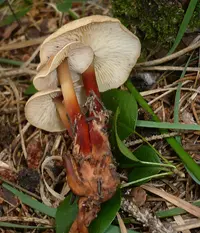
hairy rubber cup Care (Galiella rufa)

hairy rubber cup

About hairy rubber cup

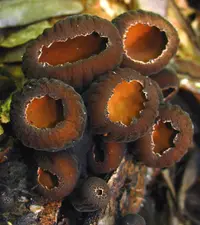
The hairy rubber cup, Galiella rufa, is a small cup‑shaped fungus rather than a leafy plant. It forms dark, rubbery, often fuzzy cups on decaying wood and bark. These fruiting bodies usually appear in moist, shaded forests and along damp trails, especially in temperate regions of North America.

This species helps break down dead wood, playing a role in nutrient cycling. It is not typically cultivated, but anyone trying to care for hairy rubber cup should focus on consistently cool, damp, shaded conditions with rotting wood as a substrate.

Main Plant Requirements

Care Difficulty

Moderate Care

Light Preference

Partial Shade

Water Requirements

Keep Soil Moist

Temperature Preference

Cool Climate

Hardiness Zone

3–8

Soil Texture

Loamy, Silty, Organic-rich

Soil pH

Acidic (5.5–6.5), Slightly acidic (6.5–7.0)

Soil Drainage

Moist but well-drained

Fertilization

Minimal (feed rarely)

Get Personalized Care Plan

Scan your plant to receive care tips personalized for your specific plant

Available on iOS and Android

How to Care for the hairy rubber cup

This fungus grows naturally on shaded, decaying wood and prefers low to moderate light exposure.

  • Provide bright shade to dappled woodland light, such as beneath deciduous shrubs or trees with 2–4 hours of weak, indirect sun.
  • Avoid strong midday and afternoon sun; short periods of early morning sun are acceptable but prolonged direct exposure can dry the substrate and damage hairy rubber cup fruiting bodies.
  • In summer, rely on filtered or canopy light; in winter, increased ambient light is acceptable as long as the wood remains moist and does not bake in full sun.

This wood-inhabiting fungus depends on consistently moist, but not saturated, substrate to form healthy fruiting bodies.

  • Maintain evenly moist, well-drained, decaying wood or wood-rich mulch; allow only the top 0.5–1 cm to begin drying before re-moistening.
  • Increase moisture input during warm, dry spells, using gentle soaking rather than frequent light splashes, and reduce additions during cool, damp weather to avoid waterlogging.
  • Watch for pale, shriveled cups as a sign of underwatering, and for sour odor, slimy surfaces, or mold overgrowth as a sign Galiella rufa is sitting in excess moisture.

This species is adapted to temperate woodland climates and tolerates a broad range of outdoor temperatures.

  • Aim for active growth and fruiting in cool to mild conditions around 50–70°F (10–21°C), which support steady decay of the host wood.
  • Tolerate short dips near 25°F (-4°C), but expect fruiting bodies to decline; extended hard frost below 20°F (-7°C) can reduce visible growth until conditions improve.
  • In hot periods above 80°F (27°C), shade and higher humidity become important, as prolonged heat over 90°F (32°C) combined with drying winds can desiccate both substrate and cups.

Humidity plays a minor role for Galiella rufa, which naturally tolerates varied woodland air moisture.

Galiella rufa prefers consistently moist, loose, organic-rich substrate that mimics decomposing forest wood and leaf litter.

  • Use a mix of finely shredded hardwood chips, leaf mold, and well-aged compost to provide structure and nutrients.
  • Maintain very high organic content with slightly acidic conditions around pH 5.0–6.5 for reliable fruiting.
  • Ensure the substrate drains freely but never dries out completely, avoiding compacted or clay-heavy materials that stay waterlogged.
  • Renew or top up decomposed substrate regularly to keep texture open and aerated for the fungal mycelium.

This species is generally unsuitable for conventional container growing, as it relies on colonizing naturally decaying wood and forest debris rather than potting media.

Galiella rufa is a wood-decay fungus that normally gains nutrients from its substrate and does not need supplemental fertilizer in outdoor settings.

Galiella rufa does not require horticultural pruning because each fruiting body is short-lived and replaced naturally.

This species is typically grown on decaying wood outdoors and is not suited to standard pot culture, so transplanting focuses on its substrate rather than roots.

  • Move colonized wood or bark pieces in cool, moist weather to reduce drying and stress on the mycelium network.
  • Shift sections with visible, healthy fruiting bodies and surrounding substrate rather than disturbing individual structures.
  • Place the new substrate in a shaded, consistently moist location that mimics the original habitat conditions.
  • Avoid frequent disturbance; once positioned, allow the fungus time to recolonize and stabilize in the new site.

Propagation of Galiella rufa is specialized and usually left to natural spore dispersal or expert fungal cultivation.

In its native range, Galiella rufa is cold hardy and typically needs no special winter care.

Care Tips

Substrate inoculation

Introduce colonized wood chips or small pieces of naturally infected decaying hardwood into your chosen log or chip bed so the fungus can establish more reliably than from spores alone.

Moisture buffering

Cover the inoculated area with a thin layer of coarse leaf litter or partially decomposed hardwood mulch to slow evaporation while still allowing gas exchange and preventing waterlogging.

Shaded wood placement

Position hardwood logs or thick branches on the north or east side of shrubs, fences, or buildings so the substrate stays cool and evenly moist, which supports stable fruiting.

Minimal disturbance zone

Mark the colony area and avoid raking, turning, or stepping on the substrate, since repeated disturbance can damage the mycelium network and reduce future cup production.

Seasonal moisture checks

During prolonged dry spells in late spring to early autumn, inspect the wood and surrounding mulch for dryness and apply gentle, infrequent soakings rather than frequent light sprays to support growing hairy rubber cup without encouraging competing fungi.

Common Pests and Diseases

Wood-decay competition fungi

This disease occurs when other wood-rotting fungi colonize the same decaying substrate and outcompete the existing fruiting bodies. Symptoms include poor or distorted cup development, patchy colonies, and replacement by other bracket or crust fungi.

Solution

Remove heavily colonized wood and replace it with fresh, similarly sized decaying hardwood pieces collected from clean, disease-free areas. Maintain moderate, stable moisture so the substrate stays damp but not waterlogged, and avoid mixing many different unknown fungal sources in the same container or bed to reduce aggressive competitors when trying to grow Galiella rufa.

Mold contamination

This disease appears as fast-growing, often white, gray, or green fuzzy growth over the substrate or young cups. Symptoms include smothered, misshapen fruiting bodies and a sour or musty odor from the culture area.

Solution

Increase airflow around the substrate, reduce excessive surface moisture, and remove any heavily overgrown pieces of wood or leaf litter. For indoor setups, sterilize or at least oven-bake new wood before use, work with clean tools, and keep humidity just high enough for fruiting without visible condensation to limit mold outbreaks during hairy rubber cup indoor care.

Fungus gnats

These insects breed in very damp organic substrates and their larvae feed in the upper layers of decaying wood and litter. This pest can damage very young or small developing cups and indicate that the substrate stays too wet for long periods.

Solution

Allow the upper substrate layer to dry slightly between misting, and improve airflow so surfaces are not constantly wet. Use fine mesh over vents, yellow sticky traps to catch adults, and, if needed, apply a biological larvicide containing Bacillus thuringiensis israelensis (Bti) to the moist substrate while avoiding direct application on visible fruiting bodies.

Springtail overpopulation

These insects are tiny, moisture-loving arthropods that feed on decaying organic matter and microbial films. This pest is usually harmless but can cause superficial grazing on delicate young cups when populations become very dense.

Solution

Reduce excessive moisture and simplify the organic debris layer so there is less loose, constantly wet material for them to feed on. Improve ventilation, remove heavily infested leaf litter, and, if necessary, physically relocate fruiting wood to a slightly drier, cooler spot where springtail numbers naturally decline.

Interesting Facts

Unusual gelatinous texture

This fungus produces dark brown to black, cup-shaped fruiting bodies with a distinctly rubbery, gelatinous texture that often persists for a long time on decaying wood, even after drying and rehydrating with rain.

Strong substrate preference

It is typically found on decaying hardwoods, especially oak, usually on well-rotted logs and stumps in moist mixed or deciduous forests across eastern North America.

Microscopic diagnostic features

Identification is supported by its smooth, ellipsoid spores and distinctive microscopic tissues in the cup surface, which help separate it from look-alike jelly and cup fungi when studying Galiella rufa care instructions from an ecological perspective.

Botan icon

Did you know?

Galiella rufa was historically placed in other genera before detailed microscopic and molecular studies clarified its relationships, leading to its current placement in the genus Galiella as part of a small group of specialized wood-decaying cup fungi.

FAQs about hairy rubber cup

This species is a wild cup fungus that develops on decaying hardwood outdoors, especially in moist forests. It is not suited to pots or home environments, so hairy rubber cup indoor care is generally not recommended.

Grow Healthy Plants with Botan Care

Keep your plants happy and healthy with plant identification, disease detection, and easy care guidance.

Botan plant care app — identify plants on mobile

Explore More Plants