
artist's conk Identification (Ganoderma applanatum)

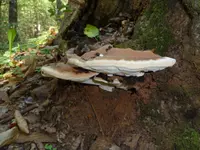
To recognize artist's conk, look for a hard, shelf-like bracket attached directly to wood, usually without a stalk. Caps are broad and flat to slightly hoof-shaped, often 4 to 20 inches (10 to 50 cm) across, with a white pore surface underneath and a brown, zoned upper surface.

Ganoderma applanatum Identification

Identify Your Plant with Botan

Upload a plant photo and check the identification in seconds.

Clear images work best. Avoid photos taken too close or too far away

Check the fruiting body shape, underside, and how it attaches.

  • Shelf-like brackets grow flat against wood, with no true stem.
  • Caps are broad and hoof- to fan-shaped, often 4-20 inches (10-50 cm) across.
  • The upper surface looks hard, dull, and brown to gray, often with concentric bands.
  • The underside is white with very fine pores, not gills, and bruises brown when scratched.

A thick, perennial bracket with a white pore surface is the most useful visual clue.

Ganoderma applanatum shows clear age-related changes in pore color, edge shape, and cap form.

  • Young plant: New brackets begin as small, rounded shelf-like knobs with a thick white growing margin and a bright white pore surface underneath that bruises brown.
  • Mature plant: Older conks become broad, flat, hooflike shelves, often 4-20 inches (10-50 cm) across, with a dull brown upper surface and a thinner, less rounded edge.
  • Fruiting stage: When actively producing spores, the pore surface stays fresh white near the margin, while older pore areas below show brown marking where touched or damaged.

Fresh growth often appears from spring into summer as a white, soft margin around the shelf. This pale edge marks active growth and can make older brackets look two-toned. By late season, the margin usually darkens and hardens, and the upper surface stays brown to gray with a matte look. Ganoderma applanatum can persist through winter, so old, layered brackets remain visible year-round.

A few bracket fungi are regularly mistaken for artist's conk.

southern bracket(Ganoderma australe)

Often confused because both form broad, shelf-like caps with a brown top and white pore surface. G. australe is usually thicker and more hoof-like, while Ganoderma applanatum is flatter with a thinner edge.

red-belted conk(Fomitopsis pinicola)

Similar as a hard, perennial shelf on wood. The clearest difference is the cap: red-belted conk commonly shows a distinct red to orange band near the margin, while artist's conk lacks that colored band and stays brown to gray above.

Ganoderma applanatum is widespread across temperate parts of North America, Europe, and Asia. It is also reported from other regions, but broad temperate distribution is the most useful identification clue. It is usually found in deciduous and mixed woodlands on dead or dying hardwood logs, stumps, and standing trunks, especially beech, maple, birch, and poplar. Finding it as a tough bracket in shaded forest settings, rather than on soil, helps narrow the identification.

Ganoderma applanatum is a bracket mushroom, and the main safety issue is misidentification. Mushroom identification errors can lead to ingestion risks for humans and pets, especially because hard shelf fungi are sometimes confused with other wood-growing mushrooms.

  • Misidentification risk: Do not rely on shape alone. Ganoderma applanatum typically has a white pore surface underneath that bruises brown when scratched, which helps separate it from some other shelf fungi during identification.

Confirm the Species with Botan

Upload a photo to compare key details and get help checking whether the identification is correct.

FAQ

The most reliable feature is the white pore surface underneath that bruises dark brown when scratched. This is the basis of how to identify artist's conk, along with its broad, shelf-like cap and dull brown upper surface.

More Plant Identification Guides

Identify It. Learn More About It.

Use Botan to identify it from a photo, then get species-specific plant details, care information, and common problems.

Botan app identifying a plant from a photo
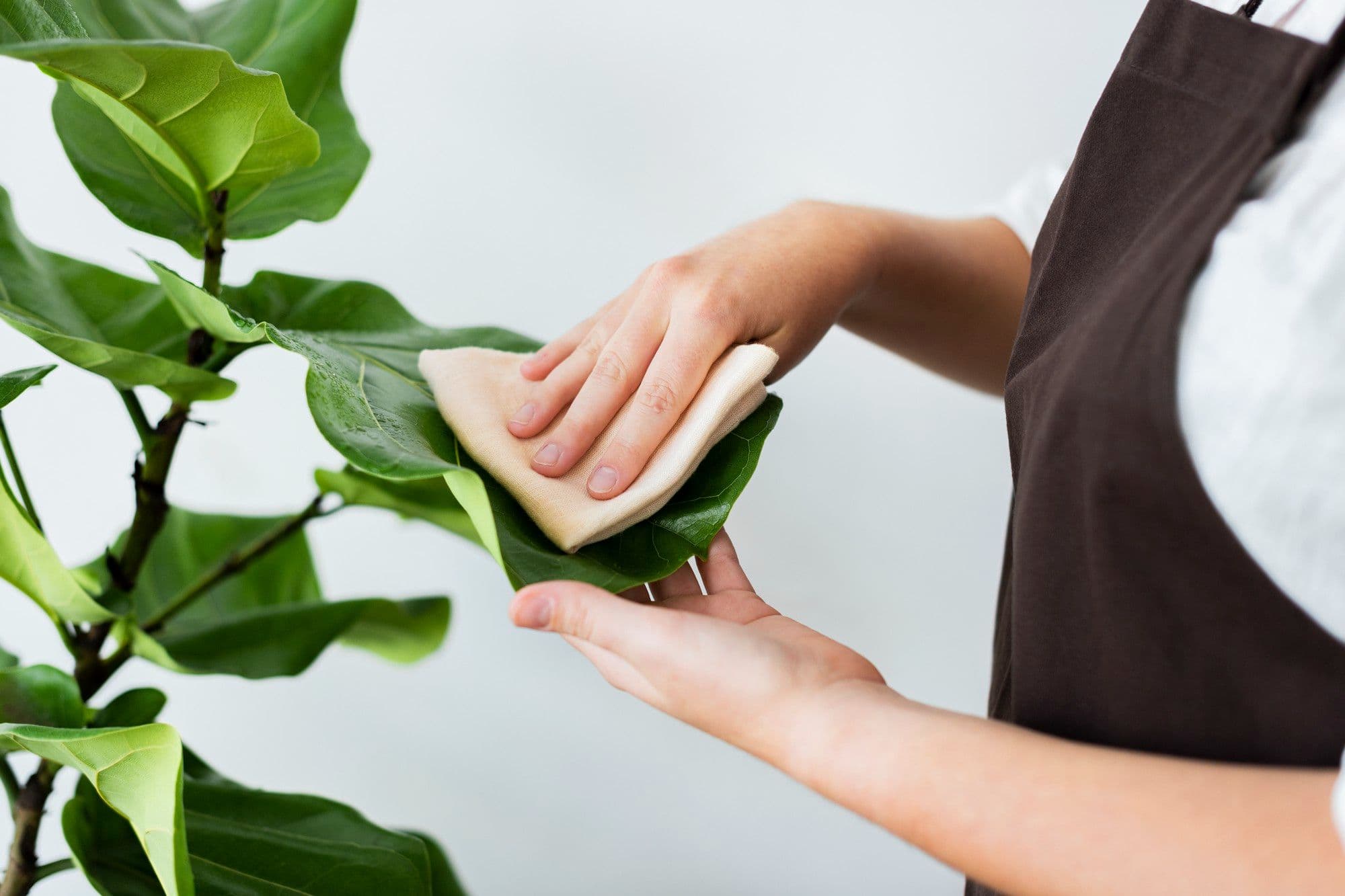
How to Clean Plant Leaves: A Simple Care Guide

6 min read · 4 Aug 2026

How to Clean Plant Leaves: A Simple Care Guide

Dusty leaves look dull and don't absorb light well. Below, you'll find simple ways to clean them, which tools are truly effective, how often you should do it, and what causes damage.

Beginner Guides

How to Clean Plant Leaves: A Simple Care Guide
Frozen vs Fresh Vegetable Nutrients: Which Option Is Healthier?

6 min read · 8 Sept 2026

Frozen vs Fresh Vegetable Nutrients: Which Option Is Healthier?

Frozen and fresh vegetables are nutritionally comparable: frozen produce often retains vitamins just as well as fresh and may sometimes contain more. Here’s how blanching and storage affect nutrients—and when to choose each.

Plant Recommendations
Frozen vs Fresh Vegetable Nutrients: Which Option Is Healthier?
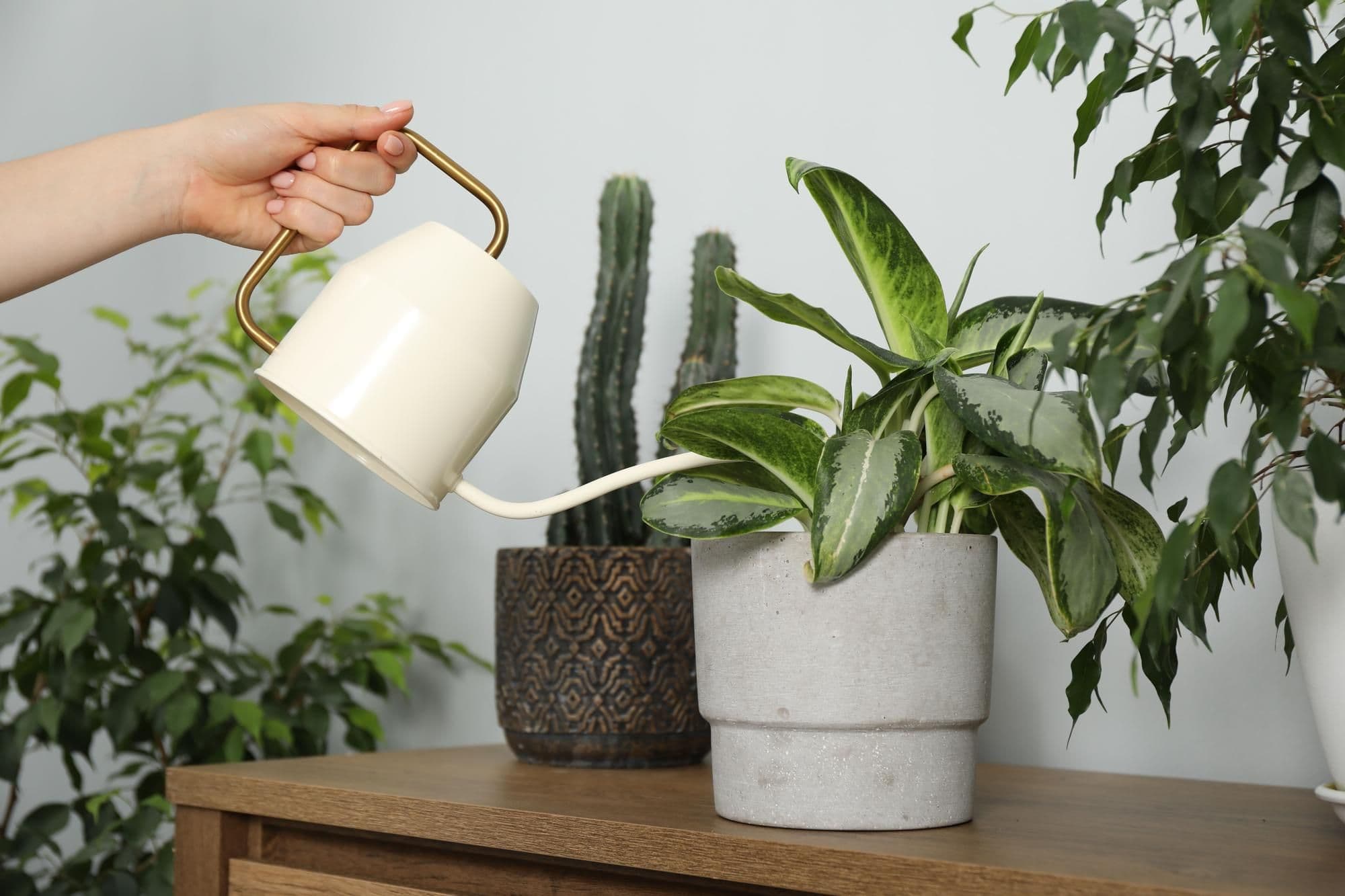
How to Water Houseplants: Watering Guide

7 min read · 24 Aug 2026

How to Water Houseplants: Watering Guide

Learn how often to water indoor plants, key factors for proper watering, and how to adjust the care routine by plant type, season, pot size, light, and indoor conditions.

Plant Care
How to Water Houseplants: Watering Guide