Sessile Earthstar Care (Geastrum fimbriatum)

Sessile Earthstar

About Sessile Earthstar

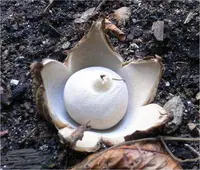
Sessile earthstar, Geastrum fimbriatum, is a small saprobic fungus rather than a typical leafy plant. It grows on soil rich in decaying wood or leaf litter. The fruiting body begins as a round, closed ball, then the outer layer splits into star-like rays that lift the central spore sac above the ground. This creates the distinctive earthstar shape. It is native to temperate regions of Europe, North America, and parts of Asia, often appearing in woodlands, parks, and old hedgerows. In cultivation it is rarely grown on purpose, as it requires undisturbed, organic-rich soil and stable moisture. Gardeners who wish to care for Sessile Earthstar usually focus on maintaining a natural, lightly managed habitat rather than treating it like a houseplant.

Main Plant Requirements

Care Difficulty

Moderate Care

Light Preference

Partial Shade

Water Requirements

Moderate Water

Temperature Preference

Cool Climate

Hardiness Zone

4–9

Soil Texture

Loamy, Sandy, Organic-rich

Soil pH

Acidic (5.5–6.5), Slightly acidic (6.5–7.0)

Soil Drainage

Well-drained

Fertilization

Minimal (feed rarely)

Get Personalized Care Plan

Scan your plant to receive care tips personalized for your specific plant

Available on iOS and Android

How to Care for the Sessile Earthstar

This woodland fungus prefers low to moderate light similar to a shaded forest floor.

  • Provide dappled or filtered light with 1–3 hours of weak morning sun; avoid harsh midday or afternoon sun that can dry the fruiting bodies quickly.
  • Site Sessile Earthstar under deciduous shrubs or trees where summer canopy creates 70–90% shade, mimicking its natural leaf-litter habitat.
  • In winter, increased light after leaf drop is acceptable, but prolonged direct sun on exposed soil can increase drying, so rely on leaf litter or mulch for protection.

This ground-dwelling fungus depends on consistently moist but not saturated soil.

  • Aim for soil that stays lightly moist in the top 2–5 cm, using touch rather than a fixed schedule; allow only brief surface drying between natural rains or supplemental watering.
  • Use loose, well-drained, organic-rich soil so excess water drains within a few minutes, reducing the risk of rot and collapse of Geastrum fimbriatum structures.
  • During hot, dry periods, increase watering frequency when leaf litter feels crisp and soil is dusty; reduce added water in cool, wet seasons to avoid prolonged sogginess.

This species thrives in mild, temperate conditions typical of shaded woodland floors.

  • Optimal activity occurs around 55–72°F (13–22°C), where soil stays cool and moisture is retained without becoming waterlogged.
  • It tolerates cool weather down to about 32°F (0°C), but hard freezes below 25°F (−4°C) can damage fruiting bodies, even though the underlying mycelium may persist.
  • Short heat spells up to about 86°F (30°C) are manageable if soil remains shaded and moist; extended heat and dry winds greatly reduce fruiting and can desiccate existing structures.

Humidity is not a key factor for Geastrum fimbriatum, which tolerates a broad range of outdoor conditions.

Geastrum fimbriatum develops best in loose, well-aerated, organic-rich mineral soil that drains freely after rain.

  • Aim for a sandy or sandy-loam texture with plenty of decayed leaf litter or compost mixed through the upper 5–10 cm.
  • Ensure rapid drainage by avoiding compacted clay; incorporate coarse sand or fine gravel if water lingers on the surface.
  • Keep pH slightly acidic to neutral (pH 5.5–7.0), similar to many woodland and lawn soils where this species naturally appears.
  • Avoid heavily fertilized, peat-saturated, or constantly wet substrates, which disrupt the fungal mycelium and reduce fruiting.

This species is generally unsuitable for container growing and is best left to establish in the ground where it can interact with natural soil communities.

This saprobic fungus usually needs no fertilizer when grown in natural, humus-rich soil or decaying wood habitats.

Pruning is not a routine task for Geastrum fimbriatum, which naturally completes a short-lived fruiting cycle.

  • Remove spent fruiting bodies by hand once they collapse, mainly for cleanliness and easier monitoring.
  • Use clean gloves or tweezers rather than blades, since tissue is fragile and cutting is unnecessary.
  • Avoid disturbing surrounding soil or leaf litter that supports the underground mycelium network.

Transplanting Sessile Earthstar is seldom needed and often unsuccessful, as the fungus relies on an underground mycelium network in stable soil.

  • Only consider transplanting when habitat will be disturbed, such as construction or grading.
  • Move soil blocks containing the fungus during cool, moist weather to reduce stress and desiccation.
  • Lift a wide, deep plug of soil to keep mycelium intact, handling the block gently.
  • Water the new site lightly to settle soil, then leave undisturbed so the mycelium can re-establish.

Propagation of Geastrum fimbriatum is specialized and usually left to natural spore dispersal rather than active home methods.

This fungus is naturally cold hardy in temperate climates and requires no special winter care in gardens or naturalized sites.

Care Tips

Use Decaying Wood

Establish the fungus on partially rotted hardwood pieces (oak, beech, maple) half-buried in the substrate, since this mimics its natural habitat and provides a long-term food source.

Create Leaf-Litter Layer

Top-dress the growing tray or bed with 2–4 cm of mixed, untreated leaf litter each autumn to supply fresh organic matter and maintain the microhabitat that encourages fruiting.

Maintain Cool Microclimate

Position outdoor colonies in lightly shaded, wind-sheltered spots and use surrounding low groundcovers or moss to buffer temperature swings and keep the substrate from drying too fast.

Gentle Spore Spread

Once mature earthstar fruiting bodies open, tap them gently over nearby prepared leaf-litter patches to release spores precisely where conditions are favorable for new colonies.

Minimize Disturbance

Mark the colonized area and avoid raking, digging, or heavy foot traffic there, since the underground mycelium network is delicate and repeated disturbance can sharply reduce future fruiting when growing Sessile Earthstar.

Common Pests and Diseases

Mite feeding damage

This pest is occasionally reported on earthstar fruiting bodies, causing tiny pits, surface roughening, or partial collapse of the rays. Symptoms include a sandblasted appearance and slow degradation of the outer surface rather than smooth, natural aging.

Solution

Gently brush or rinse the fruiting body with a soft brush and clean water to dislodge mites, then allow it to dry in good airflow. If the specimen is being kept for display, isolate it from other dried fungi and keep it in a dry, cool place to reduce further mite activity.

Mold colonization

This disease affects collected or cultivated fruiting bodies kept in overly humid or stagnant conditions, leading to fuzzy white, green, or gray patches on the rays or spore sac. Symptoms include softening tissue, off odors, and patchy discoloration distinct from natural brown aging.

Solution

Remove and discard heavily colonized fruiting bodies, and improve ventilation and dryness around any remaining specimens. For mild surface mold on display pieces, allow them to dry thoroughly, then gently brush away superficial growth and store in a drier, less humid spot.

Slug and snail grazing

These insects often feed on young or recently expanded earthstar rays, leaving irregular chew marks and missing tissue segments. Symptoms include slimy trails around the fruiting bodies and rough, torn edges on the star-shaped rays.

Solution

Hand-remove slugs and snails during damp periods and reduce hiding spots such as dense leaf litter immediately around the display area. Physical barriers like copper tape around a small display bed or container can help protect specimens if someone is actively growing Sessile Earthstar in a controlled setting.

Interesting Facts

Fringed spore sac

This species develops a smooth, nearly spherical spore sac with a clearly fringed opening (peristome), a key diagnostic feature that helps distinguish it from closely related earthstar fungi in the field.

Stemless earthstar form

Unlike several other earthstars, it lacks a distinct stalk under the spore sac, so the sac appears to sit directly on the opened star-like rays, which is a characteristic used in identification keys.

Preference for disturbed soils

It commonly fruits on disturbed, nutrient-rich soils such as paths, edges of woodland, and areas with compacted leaf litter, indicating a tolerance for habitats altered by human or animal activity.

Botan icon

Did you know?

Shortly after rain, the outer rays of this species can rehydrate, curl upward, and partially close around the spore sac, a reversible movement thought to help control spore release and protect the inner structure from excess moisture.

FAQs about Sessile Earthstar

Yes, this fungus is typically propagated from spores, which function like seeds. It develops from buried mycelium and relies on mature fruiting bodies releasing spores that disperse by wind, rain splash, or animal disturbance.

Grow Healthy Plants with Botan Care

Keep your plants happy and healthy with plant identification, disease detection, and easy care guidance.

Botan plant care app — identify plants on mobile

Explore More Plants