Use clean tools
Always disinfect scalpels, tweezers, and containers with 70% isopropyl alcohol before each use and between batches to reduce contamination from bacteria and molds when growing Psilocybe hoogshagenii.

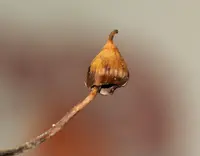
Psilocybe hoogshagenii is a small wood-inhabiting mushroom species, not a typical houseplant. It produces slender stems with conical to bell-shaped caps that can bruise bluish. In nature it is reported from parts of Mexico, usually in humid, forested habitats rich in woody debris.
This species is considered a psychoactive mushroom due to its psilocybin content, which strongly affects how safe and appropriate it is to cultivate. It requires consistently moist, clean, and well-aerated substrate and stable humidity, which makes it challenging for beginners. Anyone looking into how to care for Psilocybe hoogshagenii should first understand the legal and safety implications in their region.

Care Difficulty
Hard Care

Light Preference
Partial Shade

Water Requirements
Keep Soil Moist

Temperature Preference
Tropical / Frost Sensitive

Hardiness Zone
Unknown

Soil Texture
Loamy, Organic-rich, Peaty

Soil pH
Acidic (5.5–6.5)

Soil Drainage
Moist but well-drained

Fertilization
Minimal (feed rarely)
Scan your plant to receive care tips personalized for your specific plant
Available on iOS and Android
This species prefers low to moderate, indirect light that mimics a shaded forest floor.
Moisture levels should stay consistently damp but never waterlogged.
This fungus performs best in mild, stable temperatures with no exposure to frost.
This species needs constantly high humidity to develop healthy mycelium and fruiting bodies.
Psilocybe hoogshagenii performs best in a structured, well-aerated, organic substrate rather than typical garden soil.
This species can be grown in containers when moisture and gas exchange are carefully managed.
This guide refers only to legal, non-psychoactive ornamental or research cultivation contexts for Psilocybe hoogshagenii.
This guide refers only to legal, non-psychoactive ornamental or research cultivation contexts for Psilocybe hoogshagenii.
This guide refers only to legal, non-psychoactive ornamental or research cultivation contexts for Psilocybe hoogshagenii.
This guide refers only to legal, non-psychoactive ornamental or research cultivation contexts for Psilocybe hoogshagenii.
This guide refers only to legal, non-psychoactive ornamental or research cultivation contexts for Psilocybe hoogshagenii.

Plant Health Check
Not sure what's wrong with your plant? Check your plant's health inside the app.
The fruiting bodies bruise a distinct blue color when handled or damaged, a reaction linked to enzymatic oxidation of psilocin and related tryptamine compounds in the mushroom tissues.
This species is native to montane cloud forests of Oaxaca, Mexico, where it typically fruits on soil rich in woody debris and leaf litter rather than directly on dung or wood like many related species.
It was described from material collected in Oaxaca and has become an important reference species in taxonomic and phylogenetic studies of the Psilocybe genus, particularly within the section Mexicanae.

Ethnomycological studies report that Indigenous Mazatec communities of Oaxaca have traditionally used this species in ritual contexts, distinguishing it from other local Psilocybe taxa based on subtle differences in cap shape, coloration, and habitat preference.
This species contains psychoactive compounds that affect the central nervous system. Ingestion can cause hallucinations, nausea, anxiety, and other adverse reactions. It should be kept away from children and pets and not used without expert, legal guidance.
Keep your plants happy and healthy with plant identification, disease detection, and easy care guidance.