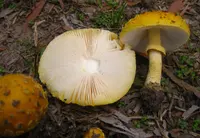
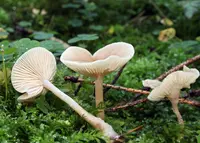
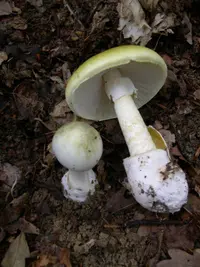
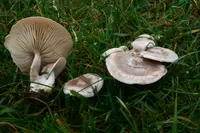
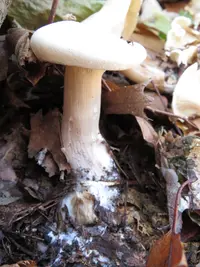
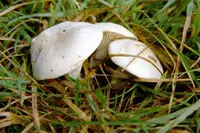
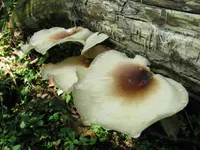
collared parachute Care (Marasmius rotula)

collared parachute

About collared parachute

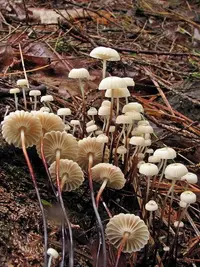
The collared parachute, Marasmius rotula, is a small saprobic mushroom that decomposes fallen hardwood twigs and leaf litter in forests. It forms clusters of tiny, white, wheel-like caps with a distinct collar where the gills attach to a thin, dark stem.

This fungus is native to temperate regions of North America and Europe and appears mainly in moist woodland environments. It is not a typical houseplant or garden specimen, so attempts to care for collared parachute indoors or outdoors are usually challenging.

Cultivation is difficult because it depends on specific decaying wood substrates, steady moisture, and forest-like shade. It is mainly appreciated in nature for its role in nutrient recycling rather than as a cultivated species.

Main Plant Requirements

Care Difficulty

Hard Care

Light Preference

Shade

Water Requirements

Keep Soil Moist

Temperature Preference

Cool Climate

Hardiness Zone

Unknown

Soil Texture

Loamy, Silty, Organic-rich

Soil pH

Acidic (5.5–6.5), Slightly acidic (6.5–7.0)

Soil Drainage

Moist but well-drained

Fertilization

Minimal (feed rarely)

Get Personalized Care Plan

Scan your plant to receive care tips personalized for your specific plant

Available on iOS and Android

How to Care for the collared parachute

This small woodland fungus prefers shaded, forest-like light rather than direct sun exposure.

  • Provide 1–3 hours of gentle morning sun at most, with the rest of the day in dappled or full shade similar to a deciduous forest floor.
  • Protect collared parachute from strong midday or afternoon sun, which can dry leaf litter and substrate too quickly and cause fruiting bodies to shrivel.
  • In summer, maintain consistent shade from trees or understory plants; in late autumn, brief low-angle sun is acceptable as long as the substrate stays cool and moist.

This fungus depends on consistently moist, never waterlogged, leaf litter and woody debris.

  • Aim for evenly moist substrate, allowing only the top 1–2 cm of leaf litter to feel slightly less damp before re-moistening with a gentle spray or light watering.
  • During warm, dry periods, increase misting frequency and watch for caps shrinking or edges curling, signs that Marasmius rotula is experiencing moisture stress.
  • Avoid standing water or compacted, poorly draining soil, which can cause sour, anaerobic conditions; a loose mix of leaf litter, twigs, and well-drained forest soil is ideal.

This species performs best in cool to mild woodland temperatures with limited extremes.

  • Ideal fruiting occurs around 55–70°F (13–21°C), typical of shaded forest floors in spring and autumn with stable, moderate conditions.
  • The mycelium usually survives brief drops to about 32°F (0°C), but repeated hard frosts below this or deep ground freezing will sharply reduce visible fruiting.
  • Sustained heat above 80°F (27°C), especially when combined with dry air, can halt fruiting and dry the substrate, so provide deep shade and extra moisture during hot spells.

This fungus needs consistently moist, humid air to fruit well, especially under cultivation.

  • Aim for 70–90% humidity to mimic its natural woodland habitat and maintain reliable fruiting.
  • Dry air causes caps to shrivel, stems to stiffen, and fruiting bodies to abort prematurely.
  • Increase humidity by using enclosed terrariums, humidity tents, or frequent fine misting around collared parachute, avoiding direct heavy spraying on caps.

This species develops best on very loose, organic-rich substrates that resemble decomposing hardwood leaf litter.

  • Use a mix of fine hardwood sawdust, shredded leaf litter, and a small portion of peat or coco coir to imitate forest-floor texture.
  • Ensure rapid drainage so water moves through within seconds, while the substrate still feels evenly damp, not soggy.
  • Keep pH slightly acidic to neutral (pH 5.5–7.0), which supports healthy mycelial growth for Marasmius rotula.
  • Avoid compacted, clay-heavy, or manure-rich materials that limit aeration and encourage bacterial contamination instead of fungal colonization.

This species is only moderately suitable for containers and performs best in shallow, wide setups that mimic forest-floor spread.

  • Choose a broad, shallow tray so the mycelium can spread horizontally in a thin layer of substrate without deep compaction.
  • Elevate the container on slats or spacers so excess water drains freely and the base does not stay in contact with runoff.
  • Select rigid plastic or glazed ceramic containers to stabilize moisture levels and prevent rapid edge drying common in thin metal trays.

This saprophytic fungus typically requires no supplemental fertilizer in natural or mulch-rich settings.

Pruning needs for Marasmius rotula are minimal and focus on site hygiene rather than shaping the fungus itself.

  • Remove decayed wooden substrates or spent mulch only when they harbor unwanted mold or pests, not to control the fungus directly.
  • Clear away excessive leaf litter if air movement is poor, which can help limit competing fungi and maintain balanced moisture.
  • Use simple hand tools such as a rake or gloved hands; avoid disturbing surrounding tree roots or soil structure unnecessarily.

This woodland fungus is rarely grown in containers, so management focuses on relocating or adjusting its woody substrate rather than classic repotting.

  • Transplant or introduce substrate in early spring or early fall, when temperatures are mild and moisture is reliable.
  • Move small pieces of colonized twigs or wood to a similar shaded, moist, organic-rich site to encourage reestablishment.
  • Minimize root-zone disturbance of nearby plants by gently placing colonized material on the soil surface instead of digging deeply.
  • Reduce stress by keeping the new site evenly moist and sheltered from direct sun until fruiting resumes or mycelium spreads.

Propagation of Marasmius rotula is usually done by spreading colonized substrate rather than by controlled spore culture at home.

  • In spring or fall, transfer small sections of naturally colonized twigs, wood chips, or leaf litter to suitable shaded, moist locations.
  • Maintain high humidity and consistent moisture so the mycelium, the fungal network in the substrate, can expand into surrounding organic matter.
  • Avoid chemical fungicides or heavy synthetic fertilizers in the area, which can disturb fungal development and competition dynamics.

This temperate woodland fungus is naturally cold hardy and generally requires no dedicated winter care for outdoor growth.

Care Tips

Rotting wood selection

Choose well-decayed hardwood sticks or chips that are soft enough to break by hand, as this stage of decomposition provides the most accessible food source for the fungus to fruit repeatedly.

Shaded microhabitat setup

Create a cool, still, shaded pocket by placing the inoculated wood in a low tray under a bench or on the north side of a structure to protect developing fruiting bodies from direct wind and rapid drying.

Moisture buffering layer

Cover colonized wood loosely with a thin layer of leaf litter or fine bark to slow evaporation while still allowing air movement, then lift and air it briefly if you notice any sour or moldy smell.

Gentle misting routine

Use a fine-mist spray bottle pointed above the substrate so droplets fall like light rain, which keeps caps from collapsing under heavy water impact and helps maintain even surface moisture when growing collared parachute.

Staggered wood refresh

Introduce a few new pieces of similar decayed wood every 3–4 months near the colonized material so the mycelium can gradually expand, extending the productive life of the culture without full disturbance.

Common Pests and Diseases

Fungivorous springtails

These insects commonly colonize moist substrates and feed on fungal tissue, including small decomposer mushrooms. Symptoms include minor nibbling on caps and stems and high numbers of tiny jumping insects on and around the fruiting bodies and substrate.

Solution

Reduce excess surface moisture and improve air movement around the substrate while keeping overall humidity stable. If populations are high, physically remove heavily infested fruiting clusters and use fine mesh or clean covers over trays or logs to reduce access, avoiding chemical controls that would also disrupt the fungal culture.

Fungus gnat larvae

This pest lives in damp, organic substrates and feeds on fine fungal mycelium and developing fruiting bodies, sometimes causing stunted or distorted mushrooms. Symptoms include small black adult gnats flying around and thinning or collapse of young caps on the substrate surface.

Solution

Allow the top layer of the substrate to dry slightly between mistings, reduce standing water, and increase airflow. Yellow sticky traps help remove adult gnats, and a biological control such as Bacillus thuringiensis israelensis (BTI) in water used for misting can reduce larval numbers without severely harming the fungal colony.

Mite grazing

These pests include several tiny mite species that feed on fungal tissue, leaving small pits, roughened cap surfaces, or partial erosion of the gills and cap edges. Symptoms include clusters of minute moving dots on the caps or substrate and superficial scarring of fruiting bodies.

Solution

Lower overcrowding of fruiting clusters, keep the culture area clean of decaying debris, and isolate any trays or logs that show heavy mite activity. If needed, chill affected cultures briefly within the species’ tolerance range to slow mite activity, and discard severely damaged flushes to break the population cycle while maintaining stable conditions for Marasmius rotula care instructions.

Competing mold contamination

This disease involves fast-growing competitor fungi such as Trichoderma or Penicillium that colonize the same substrate and overgrow the mycelium. Symptoms include patches of green, blue, or dense white mold spreading across the substrate and suppressing or replacing normal fruiting.

Solution

Physically remove and discard heavily contaminated sections of substrate and any affected fruiting bodies. Improve hygiene by sterilizing tools and containers, using cleaner starting material, and adjusting moisture so the surface is moist but not waterlogged, which discourages aggressive competitor molds from dominating the culture.

Interesting Facts

Collar-like spore platform

Each fruiting body has a tiny disc at the top of the stem that looks like a collar, with the gills attached only to this inner ring instead of the stem itself, a structure that inspired both its common name and species epithet rotula (small wheel).

Preference for hardwood twigs

This fungus typically fruits on very small, fallen hardwood twigs and leaf petioles rather than on larger logs, helping to decompose fine woody debris that many larger wood-decay fungi do not colonize efficiently.

Highly resilient fruit bodies

The dried caps can rehydrate and resume spore production after rain, a trait known as marcescence, which allows this species to exploit short wet periods in otherwise dry conditions.

Botan icon

Did you know?

The species was first described by Carl Linnaeus in 1753 and later placed in its current genus by Elias Magnus Fries, making it one of the earlier scientifically recognized litter-decomposing agaric fungi in European mycology.

FAQs about collared parachute

This fungus develops best outdoors in cool, humid, shaded sites rich in decaying wood or leaf litter. Indoor conditions rarely provide the constant moisture, airflow, and decomposing organic substrate needed for reliable fruiting or long-term culture.

Grow Healthy Plants with Botan Care

Keep your plants happy and healthy with plant identification, disease detection, and easy care guidance.

Botan plant care app — identify plants on mobile

Explore More Plants