Collared Earthstar Care (Geastrum michelianum)

Collared Earthstar

About Collared Earthstar

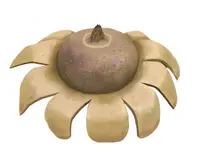
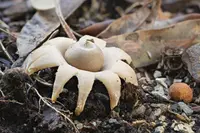
Collared earthstar (Geastrum michelianum) is a small, star-shaped fungus, not a true plant, valued mainly for its unusual appearance rather than ornamental use. When mature, its outer layer splits into several pointed rays that lift a central spore sac above the ground, giving a distinct collared look.

It usually appears on soil rich in decaying organic matter, often in woodlands, gardens, and mulched beds in temperate regions. The species is not commonly cultivated, and attempts to care for Collared Earthstar at home are often challenging because it depends on complex soil fungi and natural decomposition processes.

In nature it prefers undisturbed, moist but not waterlogged sites with plenty of leaf litter or woody debris, rather than regularly tended garden beds.

Main Plant Requirements

Care Difficulty

Moderate Care

Light Preference

Partial Shade

Water Requirements

Moderate Water

Temperature Preference

Warm Climate

Hardiness Zone

Unknown

Soil Texture

Loamy, Sandy, Organic-rich

Soil pH

Acidic (5.5–6.5), Slightly acidic (6.5–7.0)

Soil Drainage

Well-drained

Fertilization

Minimal (feed rarely)

Get Personalized Care Plan

Scan your plant to receive care tips personalized for your specific plant

Available on iOS and Android

How to Care for the Collared Earthstar

This fungus favors dappled woodland light rather than strong open sun.

  • Provide bright, filtered light or light shade, such as beneath deciduous shrubs or thin tree canopies, with about 1–3 hours of gentle morning sun per day.
  • Avoid intense midday and afternoon sun, which can overheat and dry the substrate, reducing the chances of Collared Earthstar fruiting reliably.
  • In summer, ensure leaf litter or low vegetation casts partial shade, while in cooler seasons slightly more open light still protects the site from full, scorching exposure.

This saprobic fungus depends on consistently moist but not waterlogged soil around its growing site.

  • Allow the top 2–3 cm of soil or leaf litter to dry slightly between soakings, then water enough to moisten the full rooting zone without leaving standing water.
  • Increase watering frequency during hot, dry spells if the litter feels crisp and dusty, and reduce it in cool, wet weather to prevent persistent soggy conditions.
  • Watch for signs of overwatering such as foul smell and slimy organic matter, and signs of underwatering such as shrinking, brittle litter and visibly contracting soil away from roots of nearby plants supporting Geastrum michelianum.

This species prefers mild conditions typical of temperate woodland floors.

  • Aim for average growing-season temperatures of about 55–75°F (13–24°C), which support steady decomposition of organic matter and sporocarp formation.
  • It tolerates short dips near 32°F (0°C) once dormant, but repeated hard freezes below 25°F (-4°C) can damage delicate mycelium near the surface.
  • In hot periods above 80–85°F (27–29°C), provide extra shade and moisture retention through mulch or leaf litter to buffer temperature swings around the fungus.

Humidity is a minor factor for Geastrum michelianum as long as air is not extremely dry.

  • Tolerates 30–60% RH but performs more reliably around 40–50% in sheltered culture beds.
  • Prolonged very dry air can cause fruiting bodies to crack, collapse quickly, or fail to expand fully.
  • If conditions are extremely dry, lightly mist surrounding substrate or place damp leaf litter nearby rather than wetting the fungus directly, which encourages decay.

Geastrum michelianum develops best in loose, fast-draining, organic-rich soil that mimics woodland litter.

  • Use a mix of roughly 40% leaf mold or compost, 40% sandy loam, and 20% coarse mineral material such as grit or perlite for drainage.
  • Aim for slightly acidic to neutral pH, around 6.0–7.0, which supports compatible soil microbes and fungal partners.
  • Maintain a crumbly, aerated structure; avoid compaction by limiting foot traffic and never working the soil when it is wet and sticky.
  • Do not use heavy clay, waterlogged sites, or peat-heavy mixes that stay soggy, as these restrict aeration and increase rot risk.

This species is challenging and only marginally suitable for container culture, mainly for experimental or educational setups.

  • Choose a wide, shallow container that allows a broad layer of substrate to mimic the thin organic horizon where fruiting bodies normally emerge.
  • Blend native outdoor soil from the collection site into the container mix to introduce necessary microbial partners and spores.
  • Hold the container outdoors in a shaded, rain-exposed position so natural moisture and temperature cycles can trigger fruiting rather than relying on indoor control.

Geastrum michelianum, commonly called Collared Earthstar, is a saprophytic fungus that usually does not need added fertilizer in garden or natural settings.

Geastrum michelianum does not require conventional pruning because the fruiting body is short-lived and naturally decomposes after spore release.

This earthstar is seldom grown in containers, so care focuses on choosing and maintaining a suitable outdoor site rather than routine repotting.

  • Transplant only when establishing a new bed or moving material from disturbed soil, as frequent disturbance can disrupt the fungal network.
  • Work in cool, moist weather to limit stress, keeping native soil attached around any associated plant roots or organic debris.
  • Avoid breaking up the substrate excessively; maintain leaf litter or woodchip layers that support the underlying mycelium.
  • After transplanting, water lightly to settle soil, then leave the area undisturbed so the fungus can re-establish.

Propagation of Geastrum michelianum is rarely attempted directly, since it spreads naturally via spores and an underground mycelial network.

This species is generally cold hardy in temperate climates and needs no special winter care beyond maintaining a stable habitat.

Care Tips

Rotate culture trays

If cultivating this fungus in shallow trays, rotate them 90° every few days under your light source so emerging fruiting bodies develop evenly and the rays spread symmetrically rather than leaning to one side.

Use leaf-litter mulch

Spread a thin layer (0.5–1 cm) of shredded, partially decomposed leaf litter over the substrate to mimic woodland debris and protect the developing earthstar from surface drying and mechanical damage.

Minimal handling policy

Avoid touching or moving the fruiting bodies once the outer layer begins to crack, since even light pressure can deform the rays and interfere with spore release when caring for Collared Earthstar.

Controlled air movement

Provide gentle, intermittent air movement over the culture using a low-speed fan set several feet away to help disperse spores and reduce stagnant, overly damp air that favors mold growth on the fruiting bodies.

Timed observation window

Plan regular but brief observation sessions during the main fruiting period so photos or study can be done quickly, limiting exposure to bright light and drafts that can prematurely dry and collapse the rays.

Common Pests and Diseases

Slime mold colonization

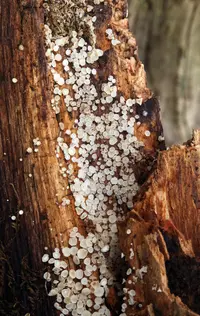
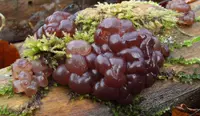
This disease appears when other opportunistic slime molds grow on or around the fruiting body in persistently wet, organic-rich substrates. Symptoms include patchy, often brightly colored or grayish films or cushions covering parts of the earthstar and surrounding debris.

Solution

Gently remove heavily colonized organic debris around the Collared Earthstar and improve surface drainage so the area does not stay waterlogged. If desired for display, relocate fruiting bodies to a fresh, well-drained substrate and maintain moderate, not excessive, moisture to discourage competing slime molds while still allowing grow Geastrum michelianum outdoors or in controlled culture.

Fungal parasitism

This disease occurs when other microfungi parasitize the outer layers of the earthstar, especially in very humid, stagnant conditions. Symptoms include localized dark spotting, fuzzy secondary growths, or rapid collapse of the outer rays.

Solution

Remove and discard any severely parasitized fruiting bodies to reduce inoculum in the growing container or display. Provide better air circulation, avoid constant surface wetting, and refresh the substrate if repeated parasitism is observed.

Springtails

These insects are small, pale to dark jumping arthropods that thrive in constantly moist substrates rich in decaying organic matter. This pest may nibble at soft tissues and spore masses, especially in enclosed terraria or propagation boxes.

Solution

Allow the substrate surface to dry slightly between waterings, and remove excess decaying plant material to reduce their food source. If populations remain high and damage is visible, use targeted biological controls such as predatory mites or carefully relocate the earthstars to a fresh, less infested substrate.

Fungus gnat larvae

This pest develops when adult fungus gnats lay eggs in consistently wet, organic-rich media used for culturing the earthstar. Larvae feed on decaying matter and can disturb or consume developing mycelium and immature fruiting bodies.

Solution

Reduce watering frequency so the surface layer becomes only lightly moist, and use fine sand or grit as a top-dress to make egg-laying more difficult. Yellow sticky traps help reduce adult gnats, while a biological control such as Bacillus thuringiensis israelensis (BTI) can be used in the substrate if populations are high.

Interesting Facts

Collar-like spore ring

As the spore sac splits open at maturity, it leaves a distinct, raised ring of tissue around the base of the spore case, a diagnostic feature used by mycologists to separate it from similar earthstar species.

Urban habitat specialist

This species is unusually common along roadsides, in city plantings, and in mulched ornamental beds, where it fruits on woodchip-rich, disturbed soils rather than in undisturbed forest habitats.

Association with insect nests

Field observations from multiple regions have documented this fungus fruiting near or within abandoned insect nests, especially old wasp nests in soil, suggesting it often exploits these nutrient-rich microhabitats.

Botan icon

Did you know?

This earthstar has expanded its range far beyond its presumed Mediterranean origin and is now considered a spreading neo-mycete in parts of Europe and other regions, where it is monitored as an introduced or potentially invasive fungal species.

FAQs about Collared Earthstar

This fungus is best grown outdoors in containers or trough gardens, mimicking its natural woodland or sandy habitat. Collared Earthstar indoor care is challenging because it needs fresh air, seasonal temperature changes, and natural microbial communities.

Grow Healthy Plants with Botan Care

Keep your plants happy and healthy with plant identification, disease detection, and easy care guidance.

Botan plant care app — identify plants on mobile

Explore More Plants