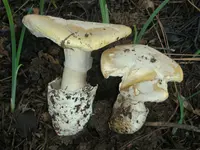
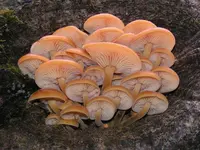
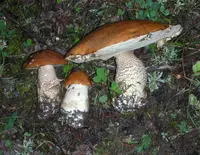
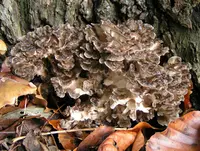
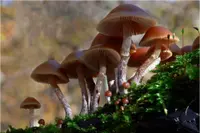
golden-gilled gerronema Care (Gerronema strombodes)

golden-gilled gerronema

About golden-gilled gerronema

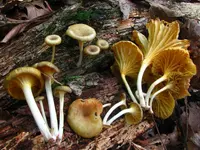
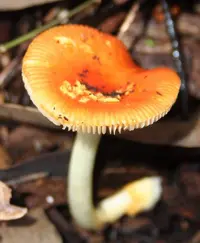
Golden-gilled gerronema (Gerronema strombodes) is a small, delicate wild mushroom rather than a leafy houseplant. It forms thin, pale caps with distinctive yellow to golden gills and slender stems, often appearing in scattered groups on decaying wood or rich forest litter.

This species occurs mainly in temperate woodlands, where it helps break down organic matter and recycle nutrients. It is appreciated more for its ecological role and subtle appearance than for culinary or ornamental use.

Because identification of small gilled mushrooms is difficult, it is not recommended for beginners to collect or care for golden-gilled gerronema beyond simple observation in nature.

Main Plant Requirements

Care Difficulty

Moderate Care

Light Preference

Partial Shade

Water Requirements

Moderate Water

Temperature Preference

Warm Climate

Hardiness Zone

Unknown

Soil Texture

Loamy

Soil pH

Slightly acidic (6.5–7.0)

Soil Drainage

Well-drained

Fertilization

Minimal (feed rarely)

Get Personalized Care Plan

Scan your plant to receive care tips personalized for your specific plant

Available on iOS and Android

How to Care for the golden-gilled gerronema

This fungus prefers gentle, filtered light rather than strong direct sun.

  • Aim for bright shade or dappled woodland light, similar to a forest understory with 1–3 hours of soft morning sun and no harsh midday or afternoon sun.
  • Allow golden-gilled gerronema to grow where it is shaded by trees, shrubs, or groundcover; consistent partial shade helps maintain moisture and prevents drying of the substrate.
  • Avoid full, open sun, which can overheat and desiccate the fruiting area; in summer, provide extra shading, while in low-light seasons accept slower or reduced fruiting.

Moist, humus-rich substrate is essential for reliable fruiting of this woodland fungus.

  • Keep the substrate evenly moist but not waterlogged; allow only the top 1–2 cm to begin drying before rewetting, especially during active fruiting periods.
  • Use well-drained, organic-rich material such as leaf litter or decomposing wood so excess water can drain away and reduce the risk of rot or anaerobic (low-oxygen) pockets.
  • Watch for signs of stress: caps becoming brittle and edges cracking suggest dryness, while persistent soggy substrate with a sour smell indicates overwatering or poor drainage.

This species favors mild, cool to moderately warm conditions similar to a temperate forest floor.

  • Optimal fruiting often occurs around 55–70°F (13–21°C), with stable, moderate temperatures supporting more consistent development of caps.
  • Protect Gerronema strombodes from hard frost; growth typically slows below about 40°F (4°C), and repeated freezing can damage mycelium and reduce future fruiting.
  • In hot weather above 80°F (27°C), provide deeper shade and maintain moisture in the substrate, since excess heat combined with dryness can cause aborted or misshapen fruiting bodies.

This fungus prefers consistently moist air, so humidity is an important factor.

  • Aim for 70–90% humidity around golden-gilled gerronema, matching damp forest-floor conditions.
  • It tolerates only brief dips to 50–60%; prolonged drier air leads to cracked, pale, or shrunken caps.
  • Increase humidity by misting the microclimate, using a humidity tent, or placing trays of water and damp substrate nearby.

This mushroom fruits best from a loose, moist, organic-rich substrate rather than typical garden soil.

  • Use crumbled, well-decayed hardwood leaf litter or wood-based compost blended with coarse material for structure.
  • Ensure free drainage; substrate should hold moisture yet never stay waterlogged, or mycelium may rot.
  • A slightly acidic reaction around pH 5.5–6.5 suits Gerronema strombodes, similar to many woodland fungi.
  • Improve aeration by mixing in coarse wood chips or perlite, avoiding dense clay, fine sand, or compacted media.

This species can be grown in containers if the substrate depth and moisture conditions mimic a woodland floor.

  • Choose a wide, shallow tub to spread substrate horizontally, supporting even mycelium colonization and fruiting.
  • Drill extra side drainage holes near the base so excess water escapes without stripping all internal moisture.
  • Use opaque or dark containers to limit light on the substrate surface, which helps maintain a stable, humid microclimate.

This woodland fungus derives nutrients from decaying organic matter and generally does not need supplemental feeding in gardens or natural settings.

Pruning is not relevant for Gerronema strombodes, as it is a mushroom rather than a woody or leafy plant.

This species is a wild, wood-decaying mushroom that is not suited to standard repotting or transplanting in containers.

  • If a colony must be moved, transfer the original colonized wood or substrate rather than disturbing individual fruiting bodies.
  • Time any relocation to cool, moist periods in autumn to reduce desiccation of the mycelium, the fungal root-like network.
  • Handle substrate gently and keep it evenly moist after moving, avoiding direct sun and strong drying winds.

Propagation of Gerronema strombodes is typically left to natural spore dispersal rather than controlled methods.

  • Allow mature caps to release spores onto nearby suitable decaying wood or leaf litter in shaded, moist locations.
  • If experimenting, place spore prints or colonized material on fresh, non-treated hardwood debris kept consistently damp.
  • Maintain cool temperatures, high humidity, and good air exchange, as stagnant, overly wet conditions can favor contaminants.

In natural habitats this fungus overwinters in its hidden mycelial form and usually needs no deliberate winter care.

  • Mycelium in soil or wood tolerates typical temperate frosts as long as the substrate does not dry out completely.
  • Avoid disturbing colonized logs or stumps during freezing periods so the internal moisture and structure stay intact.
  • Container experiments are uncommon, but any colonized blocks should be kept just above freezing and slightly moist indoors or in a sheltered shed.

Care Tips

Substrate depth control

Maintain a consistently shallow but even substrate layer, around 3–5 cm of loose, well-aged hardwood chips or leaf litter, to support stable fruiting bodies and reduce the risk of caps deforming or toppling as they expand.

Gentle airflow management

Use a small fan on a low, indirect setting to create light air movement around the culture, which helps dry excess surface moisture on caps and stems while still keeping overall humidity high.

Targeted misting routine

Mist the surrounding substrate and enclosure walls instead of spraying directly onto the caps, which minimizes bacterial blotches and surface damage while still maintaining suitable humidity for growing golden-gilled gerronema.

Hygienic handling practices

Clean tools and hands with alcohol or hot soapy water before adjusting, cutting, or harvesting fruiting bodies, as this lowers the chance of introducing mold spores or bacteria that can quickly spoil a flush.

Staggered harvest technique

Harvest mature caps in stages by cutting them cleanly at the base as the gills fully open, which encourages secondary flushes from the same mycelial mat and prevents overripe caps from releasing excessive spores onto younger fruiting bodies.

Common Pests and Diseases

Fungus gnat larvae

This pest targets the moist substrate where this saprotrophic fungus is cultivated, and larvae feed on fine hyphae and young primordia, reducing overall vigor and yield. Symptoms include slow colonization, patchy mycelium, and damaged or aborted pins on the culture surface.

Solution

Reduce excess moisture and standing water, improve air exchange in the fruiting area, and allow the top layer of substrate to dry slightly between misting while still keeping internal moisture stable. Use yellow sticky traps to capture adults and, if needed, drench the substrate with a biological control containing Bacillus thuringiensis israelensis, following label rates to avoid harming the culture.

Mite infestation

These insects, often saprophytic or parasitic mites, exploit humid fruiting environments and can feed on mycelium, spores, and developing caps. Symptoms include pitted or deformed caps, patchy mycelial growth, and small moving specks on gills or substrate when viewed closely.

Solution

Isolate infested cultures, remove and discard heavily affected blocks, and thoroughly clean shelving and tools to remove residual mites and eggs. Improve hygiene, reduce organic debris around cultures, and, where allowed, introduce predatory mites from reputable suppliers as a targeted biological control rather than using broad-spectrum chemicals.

Green mold (Trichoderma)

This disease is caused by Trichoderma species that aggressively colonize the same woody or cellulose-rich substrates preferred when attempting to grow Gerronema strombodes. Symptoms include fast-spreading, bright white mycelium that quickly turns vivid green, often overrunning the desired fungal culture and halting fruiting.

Solution

Promptly bag and remove contaminated blocks or trays from the grow area to limit spore spread, then clean and disinfect surfaces, tools, and containers. To prevent recurrence, use well-pasteurized or sterilized substrate, maintain strict hygiene when inoculating, and ensure good air exchange without strong drafts that can distribute spores across cultures.

Bacterial blotch

This disease develops under very high humidity and poor air movement, leading to water films on caps that favor bacterial growth on golden gills and pileus surfaces. Symptoms include greasy-looking spots, yellow to brown discoloration, and soft, water-soaked areas that may emit an unpleasant odor.

Solution

Lower surface moisture by reducing direct misting on caps, increase gentle airflow, and keep humidity in a more moderate but stable range. Remove and discard affected fruitbodies, clean the growing environment with a mild disinfectant, and avoid touching caps with unclean hands or tools to reduce bacterial transfer.

Interesting Facts

Striking golden gills

The species is easily recognized by its pale yellow to golden gills that contrast with the pinkish to buff cap, a feature that inspired its common name golden-gilled gerronema.

Wood-decaying saprotroph

This fungus lives as a saprotroph, breaking down dead hardwood and woody debris on forest floors and helping recycle nutrients back into the soil in eastern North American forests.

Thin, funnel-shaped cap

Mature fruiting bodies develop a thin, often funnel-shaped cap with decurrent gills that run noticeably down the stem, an important field character for distinguishing it from similar small woodland mushrooms.

FAQs about golden-gilled gerronema

This woodland mushroom does not spread aggressively in the way invasive plants do. It appears in scattered to small clustered groups where conditions suit it, but relies on suitable decaying wood and organic matter rather than aggressively colonizing new ground.

Grow Healthy Plants with Botan Care

Keep your plants happy and healthy with plant identification, disease detection, and easy care guidance.

Botan plant care app — identify plants on mobile

Explore More Plants