Water Avens Care (Geum rivale)

Also known as: purple avens
Water Avens

About Water Avens

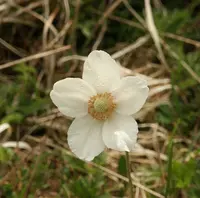
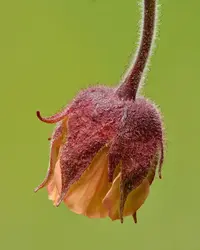
Water avens, Geum rivale, is a hardy, clump-forming perennial from cool, damp meadows and stream edges in Europe and parts of North America. It usually grows low and compact, with nodding, bell-shaped flowers in soft orange, yellow, or reddish tones held above divided, slightly hairy foliage.

The plant prefers consistently moist soil and light shade to partial sun, which makes it useful for pond margins, rain gardens, and cooler borders. Its robust nature and low maintenance needs mean that how to care for Water Avens focuses mainly on providing enough moisture and avoiding very hot, dry sites.

Main Plant Requirements

Care Difficulty

Moderate Care

Light Preference

Partial Shade

Water Requirements

Keep Soil Moist

Temperature Preference

Cold Hardy

Hardiness Zone

3–7

Soil Texture

Loamy, Silty, Organic-rich

Soil pH

Acidic (5.5–6.5), Slightly acidic (6.5–7.0)

Soil Drainage

Moist but well-drained

Fertilization

Minimal (feed rarely)

Get Personalized Care Plan

Scan your plant to receive care tips personalized for your specific plant

Available on iOS and Android

How to Care for the Water Avens

This moisture-loving perennial prefers cool, bright conditions with protection from harsh midday sun.

  • Provide 3–5 hours of direct morning sun, then light shade or dappled light in the afternoon, especially in warmer regions.
  • Allow partial shade (filtered light most of the day) where summers are hot; in cool climates, Water Avens tolerates more open exposure.
  • Watch foliage: bleached, crispy leaves indicate too much strong sun, while weak, floppy growth and few flowers suggest insufficient light.

This species thrives in consistently moist soil and does not tolerate long dry spells.

  • Keep soil evenly moist, not sodden; in garden beds, the top 2–3 cm should feel damp most of the time, never bone dry.
  • Increase watering during warm, windy periods and flowering, especially in free-draining soils; reduce slightly in cool, rainy weather.
  • Improve drainage with organic matter; yellowing, limp leaves and a sour smell suggest waterlogging, while drooping, dry foliage and shrinking flower buds indicate drought stress for Geum rivale.

This cool-temperate perennial handles cold well but struggles in prolonged heat without shade and moisture.

  • Aim for active growth in spring and fall at 50–70°F (10–21°C), when foliage and flowering are most vigorous.
  • Mature plants survive winter cold down to about -20°F (-29°C) in the ground, dying back above soil but re-sprouting in spring.
  • In summer, protect from extended periods above 80–85°F (27–29°C) by using partial shade and ample moisture to prevent stress and early dieback.

This species prefers consistently moist air but generally copes with typical outdoor humidity levels.

  • Aim for 50–70% humidity in sheltered beds or near water features to mimic its naturally damp habitats.
  • Dry air combined with strong sun may cause leaf edges to brown and flower stems to flop prematurely.
  • Increase local humidity by mulching heavily, grouping plants closely, or planting beside ponds, which suits Water Avens well.

Geum rivale thrives in cool, moisture-retentive but not stagnant soil.

  • Use a deep, loamy soil rich in organic matter, incorporating compost or well-rotted leaf mold for water retention.
  • Ensure slow but steady drainage; soil should stay evenly moist yet never form standing water after rainfall or irrigation.
  • Aim for slightly acidic to neutral pH, roughly 6.0–7.0, avoiding strongly alkaline or compacted ground.
  • Improve aeration and prevent waterlogging by mixing in fine bark or coarse sand rather than heavy clay or pure peat.

This species can grow in containers if consistent moisture and depth are managed carefully.

  • Choose a tall, stable pot to provide cool root depth and prevent flower stems from leaning in wind.
  • Use a heavy container material, such as ceramic, to slow moisture loss and keep the root zone cooler in sun.
  • Stand the pot in a shallow tray filled with damp gravel to buffer against rapid drying without letting the base sit in water.

Geum rivale benefits from modest feeding to support flowering but does not need heavy fertilization.

  • Apply a balanced, slow-release fertilizer (such as 10-10-10) at half strength once in early spring as new growth starts.
  • In poorer soils, top-dress with a thin layer of garden compost in spring to improve structure and nutrients for Water Avens.
  • During peak growing season, a light application of diluted liquid feed every 4–6 weeks is sufficient.
  • Stop fertilizing in late summer so the plant can harden growth before winter dormancy.

Geum rivale responds well to light, targeted pruning that maintains a compact, flowering clump.

  • In late spring and summer, deadhead spent flower stems at the base to extend blooming and reduce self-seeding.
  • Remove dead, damaged, or diseased leaves whenever noticed using clean, sharp scissors or hand pruners.
  • In late fall or very early spring, cut back old, tired foliage to just above the crown to encourage fresh growth.
  • Thin congested clumps by removing weak or crowded stems to improve air flow and reduce fungal problems.

This species is usually grown in the ground, so focus on dividing and transplanting congested clumps rather than frequent repotting.

  • Lift and divide mature clumps every 3–4 years in early spring or early fall when growth is slow and weather is cool.
  • Transplant sections that have healthy buds and roots into moist, well-drained soil at the same depth as before.
  • Water thoroughly after transplanting and keep soil evenly moist for 1–2 weeks to reduce transplant shock.
  • Container-grown plants needing more space show circling roots or weak growth; shift to a slightly larger pot with fresh mix.

Geum rivale is commonly propagated by division, with seeds used for larger-scale or wild-style plantings.

  • Divide healthy clumps in early spring or early fall, replanting vigorous outer sections into moist, well-drained soil.
  • For seeds, sow fresh in fall outdoors or in trays; cold exposure over winter improves germination.
  • Keep seed trays evenly moist and cool with good light; seedlings are ready to plant out when sturdy.
  • Soft divisions or small offsets root best when kept shaded briefly and watered consistently until established.

This hardy perennial tolerates typical winters in much of the US and usually needs minimal winter care.

  • Once frost blackens foliage, cut back dead leaves to reduce disease carryover while leaving the crown visible.
  • Apply a 5–7 cm mulch layer around the root zone in late fall, especially in colder climates or exposed sites.
  • In very cold areas or for container plants, move pots into a sheltered, frost-free but cool spot to prevent root damage.

Care Tips

Mulch For Cool Roots

Apply a 3–5 cm layer of fine composted bark or leaf mold around the crowns each spring to keep roots cool, conserve moisture, and reduce competition from shallow-rooted weeds.

Deadhead In Stages

Cut back spent flowering stems in batches every 1–2 weeks during bloom to prolong flowering while still leaving some seed heads if self-seeding or wildlife support is desired.

Divide To Rejuvenate

Lift and divide congested clumps every 3–4 years in early spring or early fall, replanting only the youngest, healthiest outer portions to maintain strong flowering and reduce crown rot risk.

Edge Against Encroachment

Install a shallow physical edge (such as a metal or plastic strip set 5–8 cm deep) around the planting area to stop aggressive neighboring perennials or turf from crowding and shading the plants.

Monitor For Crown Rot

Inspect crowns in late winter and early spring, removing and discarding any brown, mushy sections promptly to slow disease spread and support healthier plants when caring for Water Avens.

Common Pests and Diseases

Powdery mildew

This disease causes a white, powdery coating on leaves, stems, and sometimes flower stalks, often in warm, dry conditions with poor air circulation. Symptoms include distorted new growth and reduced flowering over time.

Solution

Remove and discard the worst-affected leaves to reduce spore load, then improve air circulation by thinning crowded clumps and avoiding overhead watering late in the day. If needed, apply a sulfur or potassium bicarbonate fungicide labeled for ornamentals, following label rates, and keep foliage as dry as practical while still meeting moisture needs described in Geum rivale care instructions.

Leaf spot

This disease produces small brown, purple, or black spots on leaves that may merge into larger patches, sometimes with yellowing and early leaf drop. Symptoms include a generally untidy, patchy appearance on older foliage first.

Solution

Cut off and dispose of affected leaves and any fallen debris to remove sources of infection, then water at soil level rather than over the foliage. In beds with recurring problems, increase plant spacing for better airflow and consider a copper- or chlorothalonil-based fungicide at the first sign of new spotting.

Aphids

These insects cluster on young stems, undersides of leaves, and flower stalks, sucking sap and excreting sticky honeydew. This pest causes curled or stunted new growth and can attract sooty mold on the honeydew.

Solution

Wash colonies off with a strong but controlled stream of water, repeating every few days until numbers drop. For persistent infestations, treat tender growth with insecticidal soap or a light horticultural oil, making sure to cover stems and leaf undersides, and encourage natural predators such as lady beetles where possible.

Vine weevils

These insects feed in two stages: adults chew irregular notches from leaf edges at night, while larvae feed on roots and crowns, sometimes causing sudden wilting or plant collapse. This pest is most problematic in containers or very organic, moist beds.

Solution

Check at night and hand-pick adult beetles from foliage, then inspect the root zone for white, C-shaped larvae if plants wilt unexpectedly. In gardens or pots with repeated issues, use entomopathogenic nematodes labeled for vine weevil control in spring and late summer, and avoid letting containers stay constantly waterlogged.

Botrytis blight

This disease appears as soft, brown, water-soaked spots on flowers, buds, and sometimes leaves, which quickly develop gray, fuzzy mold in cool, damp weather. Symptoms include browning flower petals and collapse of affected tissue.

Solution

Remove and discard all infected flowers and plant parts as soon as they are noticed, and avoid overhead watering, especially late in the day. Improve airflow by dividing or thinning dense clumps, and in severe, recurring cases apply a fungicide labeled for botrytis on ornamentals during prolonged cool, wet periods.

Interesting Facts

Specialist pollinator links

In its native European range, this species is an important nectar and pollen source for early-flying solitary bees and hoverflies, which are active in the cool, moist habitats where the plant naturally grows.

Moist habitat indicator

The plant often occurs along stream margins, wet woodland edges, and flushes, so its presence in the wild is commonly used by botanists as a field indicator of cool, consistently moist soils with relatively low nutrient levels.

Hybridization with relatives

In areas where it overlaps with the closely related Geum urbanum, it forms natural hybrids with intermediate features in flower color and habitat preference, which has been well documented in European floras and taxonomic studies.

Botan icon

Did you know?

The nodding, bell-shaped flowers twist upright as the seeds develop, and the resulting seed heads carry small hooked styles that can attach to animal fur, allowing the plant to disperse its seeds across wet meadows and stream banks.

FAQs about Water Avens

Poor flowering often relates to low light, nutrient-poor soil, or plants that are too young or crowded. Ensure adequate spring moisture, a cool root zone, and divide congested clumps every 3–4 years to restore bloom.

Grow Healthy Plants with Botan Care

Keep your plants happy and healthy with plant identification, disease detection, and easy care guidance.

Botan plant care app — identify plants on mobile

Explore More Plants