Mimic Humpfig Care (Gibbaeum petrense)

Also known as: Mimicry Plant
Mimic Humpfig

About Mimic Humpfig

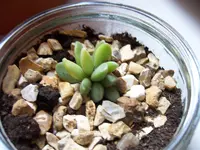
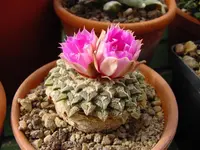
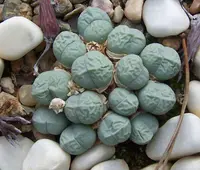
Mimic Humpfig, Gibbaeum petrense, is a compact succulent from arid regions of South Africa. It forms low clumps of paired, swollen leaves that resemble small stones. This stone-like appearance helps the plant blend into its rocky habitat and reduces water loss. Growth is usually slow, with most activity in cooler seasons rather than in peak summer heat. The plant is generally considered moderately challenging, as it dislikes excess water and needs a distinct dry rest period. Bright light, very fast-draining mineral soil, and careful watering are key to avoid rot when you care for Mimic Humpfig.

Main Plant Requirements

Care Difficulty

Moderate Care

Light Preference

Full Sun

Water Requirements

Low Water

Temperature Preference

Tropical / Frost Sensitive

Hardiness Zone

10–11

Soil Texture

Sandy, Rocky, Loamy

Soil pH

Slightly acidic (6.5–7.0), Neutral (7.0)

Soil Drainage

Well-drained

Fertilization

Minimal (feed rarely)

Get Personalized Care Plan

Scan your plant to receive care tips personalized for your specific plant

Available on iOS and Android

How to Care for the Mimic Humpfig

This compact South African succulent needs bright, dry conditions with careful sun exposure to stay compact and colorful.

  • Provide 4–6 hours of direct morning sun with bright, filtered light the rest of the day; early light is gentler than strong afternoon sun.
  • Allow light, shifting shade or 2–3 hours of mild late-afternoon sun in very hot climates to prevent leaf scorching and wrinkling of Mimic Humpfig heads.
  • In winter, give the brightest possible position, as low sun can slow growth and cause stretching, while harsh summer midday sun can burn exposed leaf tips.

This species is highly drought tolerant and needs infrequent, precise watering to avoid root rot.

  • Water only when the top 3–5 cm of the gritty mix are completely dry, then soak thoroughly and let all excess drain away.
  • Reduce watering sharply in the hottest dormancy period and in mid-winter, using light sips only if leaves start to wrinkle deeply or feel soft.
  • Watch for signs of overwatering in Gibbaeum petrense, such as splitting leaves, mushy tissue, or a sour smell, and allow a prolonged dry period if these appear.

This plant prefers warm, dry air and handles moderate temperature swings if protected from frost and extreme heat.

  • Aim for 65–80°F (18–27°C) during active growth, as this range supports firm, compact leaf pairs and steady root activity.
  • Protect from cold below 40°F (4°C); brief dips to 35°F (2°C) may be tolerated if soil is completely dry, but frost can scar or kill tissues.
  • In hot spells above 90°F (32°C), increase shade and airflow, and keep roots on the dry side to limit stress and prevent sudden leaf collapse.

This compact succulent prefers very dry air and does not need extra humidity.

  • Aim for 20–40% humidity, similar to a dry indoor room or sheltered outdoor spot.
  • Dry indoor air is well tolerated; persistent humidity above 50% increases risk of rot.
  • Watch for soft, translucent leaves as a sign of excess humidity and improve air flow rather than misting.

This species requires a very fast-draining, mineral-based substrate that mimics rocky desert soil.

  • Use a gritty mix of roughly 60–70% coarse mineral material (pumice, perlite, grit, or coarse sand) with 30–40% cactus mix.
  • Aim for slightly acidic to neutral pH around 6.0–7.0, avoiding strongly alkaline or salty substrates.
  • Ensure water drains through in seconds; water should never pool or leave the mix feeling sticky or compacted.
  • Avoid peat-heavy, fine, or organic-rich potting composts, which hold moisture and restrict air around Gibbaeum petrense roots.

This species is well suited to container growing due to its compact, clumping habit.

  • Choose a shallow, wide pot that matches the plant’s spread so the thin roots do not sit in unused, wet substrate.
  • Select unglazed terracotta to allow moisture to evaporate faster and reduce the chance of root rot.
  • Elevate the pot on feet or a mesh stand so drainage holes stay clear and water escapes quickly after watering.

This small succulent needs very light feeding, as Gibbaeum petrense is adapted to nutrient-poor soils.

  • Use a low-strength, balanced liquid fertilizer (around 10-10-10) at 1/4–1/2 label dilution during active spring–early summer growth.
  • Apply no more than once every 4–6 weeks, only when the mix is already moist, to avoid root burn.
  • Skip feeding during summer dormancy and winter, when growth slows markedly.
  • Choose formulations for cacti and succulents rather than rich compost or heavy slow-release pellets.

Pruning needs for Gibbaeum petrense are minimal and mainly hygienic.

  • Best timing is late winter to early spring, just before active growth resumes.
  • Gently remove dried, damaged, or mushy leaves with sterile tweezers or small scissors.
  • Clearing dead tissue improves airflow and reduces fungal issues around the leaf clusters.
  • Avoid shaping cuts; this species maintains its natural compact form without structural pruning.

This species prefers to stay undisturbed, so repotting is infrequent and should be done carefully.

  • Plan to repot only every 3–4 years, or when roots circle the pot base or growth stalls.
  • Best timing is late winter to early spring, before strong new growth begins.
  • Use a shallow container with ample drainage and a very gritty cactus mix to limit moisture around roots.
  • Gently loosen the root ball, remove old soil, and keep roots barely disturbed, then water lightly after 3–5 days to reduce stress.

Propagation of Gibbaeum petrense is possible but slow, mainly from seed or careful division.

  • Sow seeds in late winter–early spring on a free-draining, sandy mix and keep slightly moist, not wet.
  • Provide bright light, 65–75°F, and good airflow to encourage steady germination and seedling growth.
  • For division, separate offsets only from mature, well-rooted clumps when repotting in early spring.
  • Allow any small wounds to callus for 1–2 days, then plant in dry mix and introduce minimal water gradually.

This species is not very frost tolerant and benefits from controlled winter conditions, especially in cold climates.

  • Keep temperatures around 45–55°F in winter, avoiding freezes below 32°F.
  • Move container plants indoors or into a cold greenhouse before hard frost is expected.
  • Provide bright light and very limited watering, letting the mix dry almost completely between drinks.

Care Tips

Seasonal Rest Control

During summer dormancy, keep the plant completely dry and slightly shaded, only resuming light watering once nights cool and new leaf pairs start to swell again.

Cluster Division Timing

Divide congested clusters only at the start of active growth, allowing each division at least 2–3 healthy leaf pairs and drying the cut surfaces for 5–7 days before replanting.

Top-Dress With Grit

Apply a 0.5–1 in layer of coarse mineral grit around the plant neck to prevent stem rot, stabilize small clumps, and keep the leaf bodies clean and dry.

Targeted Winter Watering

In active winter growth, water sparingly around the pot edge rather than directly over the leaf bodies to avoid water collecting in leaf fissures, which can cause splitting or rot.

Maximum Light Acclimation

When moving the plant to higher light, increase exposure over 10–14 days to prevent sudden leaf scorching, a key step in caring for Mimic Humpfig in bright, dry conditions.

Common Pests and Diseases

Mealybugs

This pest feeds on the succulent leaf pairs and leaf bases, sucking sap and causing shriveling and distorted growth. Symptoms include white cottony clusters tucked between leaf pairs or at the plant base.

Solution

Remove visible colonies with a cotton swab dipped in 70% isopropyl alcohol and repeat weekly until clear. Improve air movement, avoid overhead misting, and, for larger infestations, use a light application of insecticidal soap, keeping it off the most stressed, sun-exposed tissue to avoid damage.

Root mealybugs

These insects live in the soil around Gibbaeum roots, causing slow decline, poor growth, and unexplained shriveling despite careful watering. Symptoms include white cottony patches on roots and along the inside of the pot when the plant is unpotted.

Solution

Unpot the plant, gently rinse off all soil, and remove any visibly infested roots, then soak roots briefly in a diluted systemic insecticide labeled for container succulents. Repot into fresh, sterile, very gritty mix and quarantine the plant, monitoring nearby pots for similar symptoms as part of Gibbaeum petrense care.

Soft scale

This pest attaches to the smooth leaf surfaces and stems, feeding on sap and excreting honeydew that can lead to sooty mold. Symptoms include small dome-shaped brown or tan bumps that do not brush off easily and sticky residue on leaves or the pot surface.

Solution

Manually remove scales with a cotton swab or soft brush and alcohol, then wash the plant gently with lukewarm water to remove honeydew. For persistent cases, apply a horticultural oil at low concentration, ensuring the plant is in bright shade and cool conditions during treatment to avoid burn.

Fungal leaf spot

This disease appears on stressed plants kept too cool and damp, especially under low light, leading to small sunken or translucent spots that may turn brown. Symptoms include localized soft areas on the leaf surface that can spread if humidity stays high.

Solution

Remove affected leaves or leaf sections with a sterile blade and let the wound dry in a dry, airy spot. Reduce watering, increase light and airflow, and, if spots continue to appear, apply a low-dose broad-spectrum fungicide suitable for succulents, allowing the plant to dry fully between waterings.

Interesting Facts

Extremely localized habitat

This species is naturally restricted to a very small area near Petrusville in the Northern Cape of South Africa, growing in arid, rocky quartz and shale flats within the Succulent Karoo biome.

Cryptic leaf pairing

Its leaves grow in unequal, paired lobes that can vary in color from grey-green to pinkish, helping the plant blend into surrounding stones and avoid herbivory in its harsh desert environment.

Seasonally reversed growth

In cultivation and habitat it follows a winter-growing, summer-dormant cycle, producing new leaf pairs during the cool season and relying on stored moisture to survive the hot, dry months.

Botan icon

Did you know?

This species is considered rare in the wild and is protected under South African conservation legislation, meaning collection from natural populations is controlled to limit habitat impact and overharvesting for horticulture.

FAQs about Mimic Humpfig

Lack of flowers usually comes from insufficient light, warm winter conditions, or excess watering during summer rest. This species often needs a cool, bright winter period and mild stress to trigger compact, healthy flowering in late winter–spring.

Grow Healthy Plants with Botan Care

Keep your plants happy and healthy with plant identification, disease detection, and easy care guidance.

Botan plant care app — identify plants on mobile

Explore More Plants