Stolon direction control
Guide the creeping stolons along a shallow layer of coarse, clean sand or fine gravel so new fronds root in an orderly mat instead of forming a tangled, moisture-trapping thicket that invites rot.

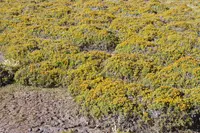
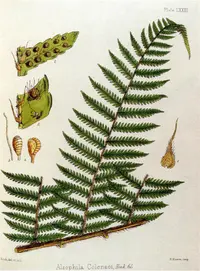
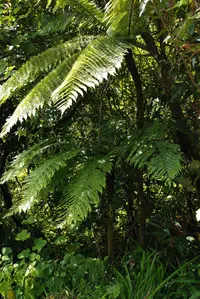
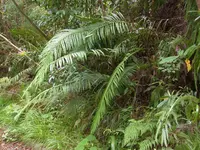
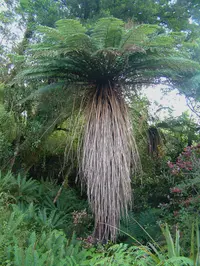
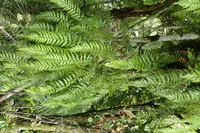
Alpine coral-fern (Gleichenia alpina) is a hardy, evergreen fern with finely divided, repeatedly branching fronds that create a delicate, coral-like pattern. It forms spreading, low clumps rather than tall, upright crowns.
This species is native to cool, high-altitude regions of New Zealand, where it grows in open, moist, often acidic sites such as heathlands and boggy slopes. Its preference for consistently cool, humid conditions makes it more challenging than many common indoor ferns.
Gardeners who care for alpine coral-fern usually succeed where they can provide steady moisture, sharp drainage, and shelter from hot, dry winds or intense heat.

Care Difficulty
Hard Care

Light Preference
Partial Shade

Water Requirements
Keep Soil Moist

Temperature Preference
Cool Climate

Hardiness Zone
8–10

Soil Texture
Loamy, Rocky, Organic-rich

Soil pH
Strongly acidic (4.5–5.5), Acidic (5.5–6.5)

Soil Drainage
Moist but well-drained

Fertilization
Minimal (feed rarely)
Scan your plant to receive care tips personalized for your specific plant
Available on iOS and Android
This highland fern prefers cool, bright conditions with shelter from harsh midday sun.
This fern needs steadily moist but not waterlogged soil to maintain healthy fronds and roots.
This alpine fern prefers cool to mild temperatures and dislikes both strong frost and intense heat.
This fern needs consistently moist air to maintain healthy fronds and compact growth.
This species prefers a loose, moist, acidic to slightly acidic mix that never becomes compacted or waterlogged.
This fern can be grown in containers if the pot supports its spreading, scrambling growth habit.
This fern is adapted to low-nutrient environments, so use fertilizer sparingly for alpine coral-fern in pots or poor substrates.
Gleichenia alpina needs only light, corrective pruning to maintain health and tidy form.
This fern is usually grown in the ground, so focus on gentle transplanting rather than frequent repotting.
Propagation of this species is possible but slower and more technical than many common garden ferns.
This cool-climate fern has good frost tolerance in suitable regions but benefits from simple winter precautions in exposed gardens.

Plant Health Check
Not sure what's wrong with your plant? Check your plant's health inside the app.
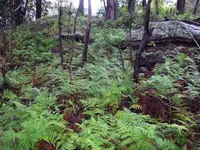
This fern occurs naturally in cool, high-altitude habitats of New Zealand, where it forms dense, low-growing thickets on exposed ridges and boggy ground rather than in deep forest shade.
Its repeatedly forked fronds create a three-dimensional, coral-like structure, which increases light capture across different angles in open, windswept habitats.
It commonly establishes in open, disturbed sites such as areas affected by fire or erosion, gradually forming mats that help stabilize poor, peaty or sandy soils.

In parts of its native range, this species can form almost monospecific fernlands, where its dense, interlocking fronds dominate the vegetation and create a distinctive microhabitat for invertebrates and other small organisms.
This species performs best outdoors in cool, humid, frost-free conditions that mimic its native alpine environments. Alpine coral-fern indoor care is challenging long term because typical homes are too warm, dry, and poorly ventilated for sustained, healthy growth.
Keep your plants happy and healthy with plant identification, disease detection, and easy care guidance.