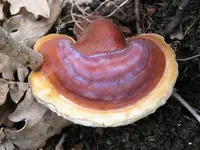
glutinous earthtongue Care (Glutinoglossum glutinosum)

glutinous earthtongue

About glutinous earthtongue

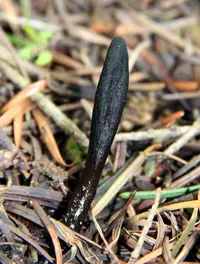
Glutinous earthtongue, Glutinoglossum glutinosum, is a small, club-shaped fungus rather than a leafy plant. It forms slender, dark, jelly-like fruiting bodies that rise from the soil or moss.

This species is typically found in damp, unimproved grasslands, mossy lawns, and occasionally in woodland clearings, mainly in cooler temperate regions. It often appears in groups, giving a subtle but distinctive textured look to the ground surface.

Because it is a specialized grassland fungus, it can be challenging to cultivate and depends on stable, low-disturbance soils with consistent moisture. Gardeners who want to care for glutinous earthtongue need to focus on maintaining undisturbed, moist, low-nutrient turf rather than treating it like a typical garden plant.

Main Plant Requirements

Care Difficulty

Hard Care

Light Preference

Partial Shade

Water Requirements

Keep Soil Moist

Temperature Preference

Cool Climate

Hardiness Zone

Unknown

Soil Texture

Loamy, Silty, Organic-rich

Soil pH

Strongly acidic (4.5–5.5), Acidic (5.5–6.5)

Soil Drainage

Moist but well-drained

Fertilization

Minimal (feed rarely)

Get Personalized Care Plan

Scan your plant to receive care tips personalized for your specific plant

Available on iOS and Android

How to Care for the glutinous earthtongue

This fungus prefers cool, soft light typical of moist woodland or grassland edges.

  • Site glutinous earthtongue in bright, indirect light or dappled shade, similar to light under low shrubs or grasses, avoiding direct midday sun.
  • Tolerates 1–3 hours of weak morning sun but prolonged direct sun, especially in summer afternoons, can dry the substrate and damage delicate fruiting bodies.
  • In summer, choose north or east-facing edges or light woodland shade; in autumn, slightly more open exposure helps support spore production without full sun stress.

This species depends on consistently moist, not waterlogged, soil to form fruiting bodies.

  • Aim for soil that stays evenly damp to 3–5 cm depth; the surface may look slightly moist but should not show standing water or a sour smell.
  • In rainy seasons, ensure excess water can drain away; Glutinoglossum glutinosum declines in compacted, puddling sites where oxygen is low.
  • In drier periods, water when the upper 2–3 cm begin to dry and small cracks appear, especially on sloping, grassland, or path-edge habitats.

This species fruits best in cool to mild conditions typical of temperate autumn weather.

  • Optimal fruiting usually occurs around 45–60°F (7–16°C), often in late autumn when soil is cool and consistently moist.
  • The mycelium in soil can tolerate down to about 25°F (-4°C), but repeated hard freezes below this can reduce visible fruiting bodies.
  • Sustained heat above 77°F (25°C), especially with drying winds, limits development; cooler, shaded microsites help buffer brief warm spells.

This fungus prefers consistently moist, cool air but does not require tightly controlled humidity.

  • Aim for 60–90% humidity by maintaining a damp, shaded, sheltered microsite around glutinous earthtongue rather than trying to alter whole-garden humidity.
  • Watch for shriveling, dulling, or rapid collapse of fruiting bodies as signs of air that is too dry or hot.
  • Increase local humidity by using thick leaf litter, nearby groundcover plants, or light surface misting during dry, windy weather.

This species thrives in consistently moist, organically enriched, mineral soils rather than standard potting mixes.

  • Use a loamy, fine-textured mineral soil with high organic matter, mixing woodland topsoil with 20–30% leaf mold or well-rotted compost.
  • Ensure slow but steady drainage; soils should stay evenly damp without pooling water for more than a few hours.
  • Maintain slightly acidic to neutral pH, roughly 5.5–7.0, which supports the soil organisms associated with Glutinoglossum glutinosum.
  • Improve aeration in heavy soil by incorporating small amounts of sharp sand or fine grit, avoiding dense clay or peat-only substrates that waterlog or dry into hard clods.

This species is generally unsuitable for long-term container culture, as it relies on complex soil communities in the ground.

This soil-dwelling fungus usually grows in nutrient-balanced grassland and does not require deliberate fertilization in cultivation.

Glutinoglossum glutinosum does not need structured pruning, but minimal hygiene trimming is useful in managed settings.

  • Remove decayed fruiting bodies with clean scissors to reduce mold and bacterial growth.
  • Cut away obviously damaged or diseased tissue as soon as it appears, disposing of it off-site.
  • Avoid disturbing surrounding mosses and grasses, which help stabilize the moist microhabitat.
  • Disinfect tools with alcohol before and after use to limit pathogen transfer.

This species is best maintained in situ; any transplanting should aim to move the entire soil community supporting the fungus.

  • Transplant only when habitat is threatened, such as construction or heavy soil disturbance.
  • Plan moves in cool, moist weather during the natural growing period, avoiding hot or very dry spells.
  • Lift and relocate intact sods, keeping 10–15 cm of soil depth and existing grasses or moss undisturbed.
  • Water gently after relocation and keep the area evenly moist to reduce mycelium stress.

Propagation of Glutinoglossum glutinosum is specialist work, as it spreads via spores in a complex soil ecosystem.

In natural or garden soils, glutinous earthtongue is fully hardy in temperate climates and needs no targeted winter care.

Care Tips

Moisture buffer layer

When cultivating this fungus in trays or small beds, add a 1–2 cm top layer of clean, fine, well-rinsed sand over the host soil to slow evaporation and keep the upper horizon evenly moist without waterlogging.

Host grass management

Maintain a low, mixed turf of fine grasses around the fruiting zone by light trimming instead of close mowing, since consistent but not scalped grass cover supports the soil structure and fungal mycelium.

Minimal soil disturbance

Avoid digging, aerating, or heavy raking where the fruiting bodies appear, and if leaf litter must be removed, gently lift it by hand to protect the shallow mycelial network.

Seasonal moisture checks

In late summer and fall, insert a narrow wooden skewer or soil probe 5–8 cm deep near the colony and water only when the probe comes out almost dry, which helps synchronize moisture levels with the natural fruiting season when growing glutinous earthtongue.

Careful site marking

Discreetly mark the fruiting area with small, unobtrusive stakes or stones so that foot traffic, pets, and maintenance equipment are kept away from the sensitive habitat over multiple seasons.

Common Pests and Diseases

fungal gnat larvae

This pest lives in and on decaying, saturated soil around the fruiting bodies and may chew on the soft fungal tissue. Symptoms include thinning or collapse of small club-like fruiting bodies and visible tiny white larvae in the substrate.

Solution

Reduce constant saturation at the immediate fruiting zone while keeping the broader substrate moist, and improve drainage so water does not pool. Gently disturb the upper soil layer, remove heavily infested organic debris, and, if cultivating in containers, use sticky traps for the flying adults and a biological control such as Bacillus thuringiensis israelensis in the watering water to suppress larvae.

slugs and snails

These mollusks feed on tender, gelatinous fruiting bodies, leaving ragged edges, missing tips, and slime trails on or around the fungi. Symptoms include sudden overnight loss or heavy damage of young clubs at ground level.

Solution

Hand-pick slugs and snails during damp evenings, remove nearby hiding spots such as boards and dense debris, and keep leaf litter slightly more open around fruiting patches without letting them dry out fully. Where cultivation beds are used, create a physical barrier with copper tape or coarse grit, and use iron phosphate bait placed away from the densest fruiting to reduce populations with minimal impact on other organisms.

mushroom-feeding springtails

These insects thrive in consistently moist moss and litter, grazing on surface tissues and spores of the fruiting bodies. Symptoms include pitted or roughened surfaces on the clubs and visible tiny, jumping white or gray insects when the substrate is disturbed.

Solution

Maintain moisture but slightly increase surface air movement by loosening compact moss or litter and avoiding standing water. If populations are heavy in managed beds, reduce excess decaying material right around the fruiting zone and, in container culture, allow the very top layer to become just lightly dry between waterings while keeping the deeper substrate cool and moist.

parasitic Hypomyces infection

This disease is caused by parasitic fungi that colonize the surface of the fruiting bodies, distorting or replacing the green-black clubs with pale, powdery or crustlike growths. Symptoms include misshapen, blunted, or entirely coated fruiting structures that no longer produce normal spores.

Solution

Promptly remove and discard all visibly infected fruiting bodies and nearby heavily colonized debris to reduce spread. In managed cultivation, avoid overcrowding of fruiting clusters, maintain good surface airflow, and rotate collection sites or culture containers so new flushes arise from cleaner, less-contaminated substrate.

bacterial soft rot

This disease affects the delicate tissue of the fruiting bodies under very wet, stagnant conditions, causing them to become water-soaked, slimy, and foul-smelling. Symptoms include rapid collapse of clubs, with translucent patches and a wet, decomposing surface at the base and along the sides.

Solution

Limit standing water and improve drainage so that substrates are moist but not waterlogged, and avoid overhead irrigation that repeatedly soaks the fruiting bodies. Remove and dispose of rotting clusters promptly, then adjust watering patterns and increase gentle airflow around the site to prevent recurring soft rot while still supporting the cool, moist habitat needed for growing Glutinoglossum glutinosum.

Interesting Facts

Slimy spore sheath

The fruiting bodies are covered in a distinctive sticky slime layer that traps a film of water and helps protect the developing spores from drying out in exposed grassland and heath habitats.

Grassland indicator species

This fungus is part of the so‑called waxcap grassland community in Europe and often indicates long‑established, unimproved grasslands that have not been heavily fertilized or ploughed.

Black earthtongue structure

Its dark, tongue‑ to club‑shaped fruiting bodies are fertile over much of their outer surface, with microscopic asci (spore sacs) embedded in the outer tissue rather than being concentrated on gills or pores.

Botan icon

Did you know?

Molecular studies have shown that this species, traditionally grouped with various black earthtongues, represents a distinct evolutionary lineage within the Helotiales, helping mycologists clarify relationships among several superficially similar, dark, club‑shaped fungi.

FAQs about glutinous earthtongue

This fungus is best grown outdoors, in cool, moist, grassy or mossy soil. Indoor conditions rarely provide the stable humidity, natural soil community, and seasonal temperature shifts it needs, so glutinous earthtongue indoor care is generally unreliable.

Grow Healthy Plants with Botan Care

Keep your plants happy and healthy with plant identification, disease detection, and easy care guidance.

Botan plant care app — identify plants on mobile

Explore More Plants