Buttery Collybia Care (Rhodocollybia butyracea)

Also known as: Butter Cap
Buttery Collybia

About Buttery Collybia

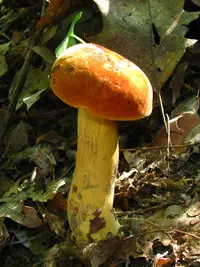
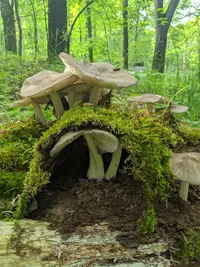
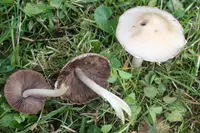
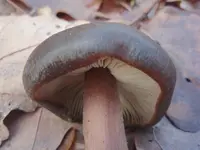
Buttery collybia, Rhodocollybia butyracea, is a woodland mushroom rather than a traditional houseplant. It forms slender stems with smooth, greasy-looking caps in brown to reddish tones. Caps often appear slightly translucent at the edges and grow in loose groups on leaf litter or decaying wood. This fungus is widespread in temperate forests, especially under conifers and mixed woodland in North America and Europe. It plays a role in breaking down organic matter and recycling nutrients in soil ecosystems. Some foragers consider it of low culinary value, and identification can be difficult, so caution is essential. In cultivation, it prefers cool, moist, shaded conditions and rich organic substrates, and it is generally not practical to care for Buttery Collybia indoors.

Main Plant Requirements

Care Difficulty

Moderate Care

Light Preference

Shade

Water Requirements

Keep Soil Moist

Temperature Preference

Cool Climate

Hardiness Zone

Unknown

Soil Texture

Loamy, Silty, Organic-rich

Soil pH

Acidic (5.5–6.5), Slightly acidic (6.5–7.0)

Soil Drainage

Moist but well-drained

Fertilization

Minimal (feed rarely)

Get Personalized Care Plan

Scan your plant to receive care tips personalized for your specific plant

Available on iOS and Android

How to Care for the Buttery Collybia

This woodland fungus prefers soft, filtered light that mimics the forest floor.

  • Provide dappled shade under trees, with indirect light for 2–4 hours per day rather than direct midday sun.
  • Tolerates deep shade but fruits more reliably where morning sun briefly reaches the leaf litter, especially in open woodland edges.
  • Avoid strong afternoon sun, which can dry the substrate and scorch exposed fruiting bodies of Buttery Collybia, reducing their lifespan and appearance.

Moist, not waterlogged, conditions are essential for healthy Rhodocollybia butyracea fruiting.

  • Aim for consistently damp leaf litter or humus; the top 2–3 cm should feel moist to the touch but not soggy or muddy.
  • Increase moisture during dry spells by gently soaking the surrounding organic layer, then allowing excess water to drain away fully.
  • Reduce supplemental watering in cool, wet seasons; signs of excess moisture include standing water and sour, anaerobic smells in the substrate.

This species thrives in cool to mild conditions typical of temperate woodlands.

  • Optimal fruiting occurs around 50–65°F (10–18°C), often in autumn when days are cool and nights are colder.
  • Mycelium growth can continue from about 40–70°F (4–21°C), but development slows noticeably outside this range.
  • Fruiting bodies tolerate light frosts near 30–32°F (-1–0°C) but decline in prolonged freezes or heat above 80°F (27°C), especially with low humidity.

This woodland mushroom prefers consistently moist, cool air rather than very dry indoor conditions.

  • Aim for 60–80% humidity, similar to a damp forest floor, especially when fruiting bodies are developing.
  • Dry air causes caps to crack, edges to curl, and mushrooms to shrivel prematurely.
  • Increase humidity outdoors with thick leaf litter and regular light misting around the patch rather than directly on the caps.
  • For Buttery Collybia grown in sheltered setups, use a ventilated humidity tent or tub to maintain moisture while allowing fresh air exchange.

Rhodocollybia butyracea grows best in loose, organic-rich substrates that mimic decomposing forest litter.

  • Use a mix based on well-rotted hardwood leaf litter, fine bark, and composted wood chips to provide structure and slow-release nutrients.
  • Ensure the substrate drains freely yet stays evenly moist; avoid compacted or waterlogged ground that promotes anaerobic conditions and rot.
  • Aim for slightly acidic to neutral conditions (pH 5.5–7.0), often achieved naturally under conifers or mixed woodland leaf litter.
  • Improve aeration by layering coarse wood chips or shredded bark at the base, then finer organic material on top, avoiding heavy clay or pure sand.

This species is only moderately suitable for container growing and performs best when the container mimics a deep, cool woodland substrate.

  • Choose a tall, insulated container that can hold a deep layer of leaf litter and wood-based substrate to buffer temperature and moisture swings.
  • Use side and bottom drainage holes so excess water exits quickly while the lower layers remain evenly damp, not soggy.
  • Keep the container shaded and protected from wind to prevent rapid drying of the substrate surface, which can halt mycelium spread.

Rhodocollybia butyracea is a saprophytic fungus that lives on decaying organic matter and usually needs no direct fertilization in gardens or woodland settings.

Rhodocollybia butyracea does not benefit from pruning in the way vascular plants do, since its main body is the underground mycelium network rather than the visible mushrooms.

This woodland fungus is not suited to normal houseplant-style repotting; it is best managed by adjusting its substrate rather than moving individual clumps.

  • Transplant only when relocating colonized leaf litter, wood chips, or soil, keeping the substrate as intact as possible.
  • Carry material during cool, moist weather in fall to reduce drying and thermal stress on the mycelium.
  • Place the colonized substrate into a similar shaded, organic-rich site to match the original microclimate.
  • Water lightly after transplanting, then maintain consistent, gentle moisture so the mycelium can re-establish.

In gardens, Rhodocollybia butyracea is typically spread by relocating colonized substrate rather than by controlled propagation methods used for plants.

This species is naturally cold hardy in temperate climates and usually needs no special winter protection in outdoor, soil-based settings.

Care Tips

Use decaying mulch

Establish the fungus in a shaded bed with a permanent layer of hardwood leaf litter or chipped, partially decomposed wood, and refresh this layer annually so the mycelium always has fresh but not raw organic material to colonize.

Prepare low-competition zones

Before introducing spawn, lightly rake away dense moss and aggressive groundcovers so the mycelium can occupy open organic-rich patches without being smothered by roots and thatch.

Staggered substrate additions

Instead of adding a thick layer of new mulch once, top up the area with 1–2 cm of leaf litter or fine wood chips 2–3 times per season to feed the mycelium gradually and stabilize moisture levels.

Inoculate with broken caps

After collecting mature mushrooms, crumble a few caps with visible gills over similar moist, mulched spots and lightly press them under leaves to encourage local spore release where conditions are already suitable for growing Buttery Collybia.

Mark and protect colonies

Once a productive patch appears, discreetly mark the area and avoid heavy foot traffic, raking, or digging there so the underground mycelial network remains intact and continues to fruit over multiple seasons.

Common Pests and Diseases

Fungivorous springtails

These insects feed on fungal tissue, gills, and developing pins, especially in very moist substrates. Symptoms include small surface pits, reduced mushroom quality, and tiny jumping insects visible when disturbed.

Solution

Reduce excess moisture by improving drainage and ventilation around the fruiting area, then physically remove heavily infested substrate or fruitbodies. In outdoor setups, limit decaying organic debris near the patch, and if needed use sticky traps and a light soil drench with a labeled biological control product containing beneficial nematodes to reduce springtail populations.

Mushroom flies

These insects lay eggs in the substrate and developing fruitbodies; larvae tunnel through caps and stems of the mushrooms. Symptoms include distorted or collapsing mushrooms, small entry holes, and maggots inside the flesh.

Solution

Cover colonized substrate with fine insect netting to block adult flies, promptly remove and discard infested mushrooms, and avoid exposing the patch to rotting food or compost that attracts flies. Indoors, use yellow sticky traps to monitor and reduce adult numbers and adjust humidity and air movement to make conditions less attractive for egg laying.

Parasitic Hypomyces

This disease is caused by parasitic fungi (often Hypomyces species) that overgrow mushroom caps and gills with a whitish to yellowish crust. Symptoms include deformed, felt-like growth on fruitbodies and loss of normal spore production.

Solution

Immediately remove and discard all infected fruitbodies and any adjacent obviously colonized substrate to limit spread. Improve airflow, avoid overwatering, and keep the fruiting area free of old decaying mushrooms, since these conditions favor parasitic fungal development and persistence.

Slugs and snails

These pests rasp away at caps and stems, leaving irregular holes, slime trails, and partially eaten mushrooms. Symptoms include missing tissue on young fruitbodies, especially after wet nights, and visible mollusks nearby under debris or leaf litter.

Solution

Hand-pick slugs and snails in the evening or early morning, remove nearby hiding spots such as boards and dense debris, and use copper barriers or rough mulches to make access to the fruiting area more difficult. In heavy infestations, place beer traps or iron phosphate slug bait labeled for use around edible mushrooms, following package directions carefully.

Interesting Facts

Butter-like cap texture

The cap surface often feels slightly greasy or buttery when moist, which inspired its common names buttery collybia and butter cap.

Late-season fruiting

This species is notable for fruiting late into autumn and even early winter in mild climates, often appearing after many other woodland mushrooms have finished for the year.

Leaf-litter specialist

The fungus plays a saprotrophic role, breaking down leaf litter in coniferous and mixed forests and contributing to nutrient cycling in temperate woodland soils.

Botan icon

Did you know?

Molecular studies have shown that this species, once placed in the large and heterogeneous genus Collybia, is genetically distinct enough to warrant placement in the segregate genus Rhodocollybia, reflecting its unique evolutionary history among wood- and litter-decaying agarics.

FAQs about Buttery Collybia

This mushroom is considered edible but very poor in taste and texture, and is easily confused with similar, potentially harmful species. For safety, many field guides recommend not collecting it for food at all.

Grow Healthy Plants with Botan Care

Keep your plants happy and healthy with plant identification, disease detection, and easy care guidance.

Botan plant care app — identify plants on mobile

Explore More Plants