Encourage Bushy Growth
Pinch back the soft stem tips every 3–4 weeks during active growth to keep plants compact, encourage more branching, and increase the number of aromatic shoots available for harvest.

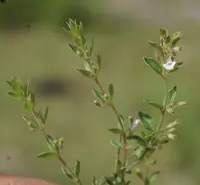
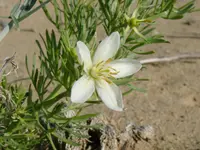
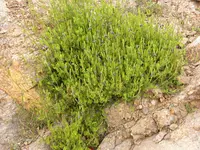
Lemon savory (Micromeria biflora) is a small, aromatic perennial herb known for its lemon-scented foliage and delicate, pale flowers. It typically forms low, branching clumps with fine, opposite leaves.
This species occurs naturally in parts of the Himalayas and surrounding regions, where it grows on rocky slopes and open, well-drained sites. Its compact habit and drought tolerance make it relatively easy to manage in pots or small garden spaces.
It adapts well to sunny positions, light, well-drained soil, and moderate watering, which simplifies how to care for Lemon Savory for most home growers.

Care Difficulty
Easy Care

Light Preference
Full Sun

Water Requirements
Low Water

Temperature Preference
Warm Climate

Hardiness Zone
8–11

Soil Texture
Sandy, Loamy, Rocky

Soil pH
Slightly acidic (6.5–7.0), Neutral (7.0)

Soil Drainage
Well-drained

Fertilization
Minimal (feed rarely)
Scan your plant to receive care tips personalized for your specific plant
Available on iOS and Android
Micromeria biflora prefers bright conditions with several hours of direct sun for dense, aromatic growth.
This species prefers slightly dry, well-drained soil and is sensitive to waterlogging.
This plant performs best in warm, temperate conditions with protection from frost and extreme heat.
Micromeria biflora handles typical indoor humidity well, so humidity management is rarely critical.
Micromeria biflora prefers a light, fast-draining mineral-rich medium that mimics dry, rocky habitats.
This species adapts well to container growing, including on sunny patios and balconies.
Micromeria biflora is a light feeder that benefits from modest nutrition during active growth but does not need heavy fertilization.
Micromeria biflora responds well to light, timely pruning that maintains a compact, leafy form and supports flowering.
Micromeria biflora is often grown in the ground but can adapt to containers if transplanted with care to limit root disturbance.
Micromeria biflora is commonly propagated from stem cuttings or seed under warm, bright, and moderately moist conditions.
Micromeria biflora is moderately cold tolerant in mild climates and usually needs only basic winter management in the ground.

Plant Health Check
Not sure what's wrong with your plant? Check your plant's health inside the app.
This species commonly grows on exposed rocky slopes and grasslands at mid to high elevations in the Himalayas, where it tolerates intense sun, wind, and large day–night temperature swings better than many other mint-family herbs.
Crushed leaves release a clear lemon-like scent caused by volatile aromatic compounds, which makes the plant locally valued as a fresh seasoning and tea herb in parts of its native range.
Its small, pale flowers provide nectar for a variety of hill insects, including bees and small butterflies, helping sustain pollinator communities in open mountain habitats.

Chemical analyses of this species have found that its essential oil composition can vary noticeably between populations from different Himalayan regions, suggesting local adaptation and environmental influence on the blend of aromatic compounds.
The small, tube-shaped flowers are rich in nectar and attract many pollinators, especially bees and small native butterflies. Planting several together in a sunny, dry spot can help support local pollinator populations in a garden.
Keep your plants happy and healthy with plant identification, disease detection, and easy care guidance.