Air circulation setup
Plant in an open, breezy position or space pots at least 30–45 cm apart to reduce humidity around foliage and lower the risk of fungal issues such as leaf spot and botrytis.

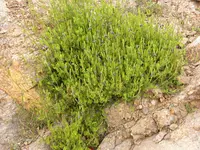
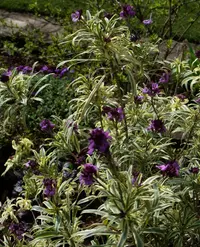
Lavandula mairei is a woody, evergreen shrub in the lavender group, valued for its fragrant foliage and soft flower spikes. It tends to form a compact, bushy mound with narrow, often gray-green leaves and airy blooms that attract pollinators.
This species is native to parts of North Africa, where it grows in sunny, dry, rocky habitats. Its natural adaptation to heat, wind, and low rainfall makes it relatively undemanding in cultivation.
Gardeners who want to care for Lavandula mairei should provide plenty of light, well-drained soil, and avoid prolonged excess moisture, especially around the roots.

Care Difficulty
Moderate Care

Light Preference
Full Sun

Water Requirements
Low Water

Temperature Preference
Warm Climate

Hardiness Zone
7–9

Soil Texture
Sandy, Loamy, Rocky

Soil pH
Slightly acidic (6.5–7.0), Slightly alkaline (7.0–7.5)

Soil Drainage
Well-drained

Fertilization
Minimal (feed rarely)
Scan your plant to receive care tips personalized for your specific plant
Available on iOS and Android
This sun-loving shrub performs best in open, bright positions with long daily exposure.
This species prefers infrequent, deep watering and consistently fast-draining soil.
This hardy lavender prefers moderate warmth and dry air, with some tolerance of both heat and cold.
This species prefers dry air and typically thrives in 30–50% humidity without special adjustments.
This lavender requires very well-drained, mineral-rich soil to avoid root and crown rot.
This species is suitable for container growing if drainage is managed strictly.
This Mediterranean shrub needs only modest feeding for steady growth and flowering.
Thoughtful pruning keeps Lavandula mairei compact, long-lived, and free-flowering.
This lavender is more often grown in the ground, but container plants and young stock benefit from careful transplanting.
New plants are most reliable from semi-ripe cuttings, though seeds can also be used for Lavandula mairei.
This lavender is reasonably cold hardy but benefits from simple winter precautions in colder regions.

Plant Health Check
Not sure what's wrong with your plant? Check your plant's health inside the app.
This species is naturally restricted to montane areas of the High and Middle Atlas in Morocco, where it grows on rocky slopes and open scrub, often on limestone-rich soils.
Compared with many Mediterranean lavenders, this species shows good tolerance of winter cold in its native range, where it experiences sub-freezing nights at higher elevations.
Plants typically form dense, low cushions with short flowering stems and relatively small leaves, an adaptation that helps reduce water loss and wind damage in exposed mountain habitats.
Lack of blooms usually comes from insufficient light, overly rich or wet soil, or heavy old wood. Light annual pruning after flowering and avoiding high-nitrogen fertilizer encourage fresh, flower-bearing shoots and more reliable seasonal flowering.
Keep your plants happy and healthy with plant identification, disease detection, and easy care guidance.