Rosy Slime Spike Care (Gomphidius subroseus)

Rosy Slime Spike

About Rosy Slime Spike

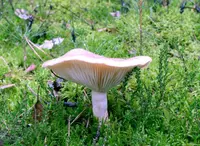
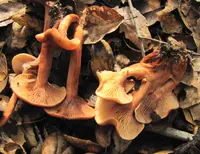
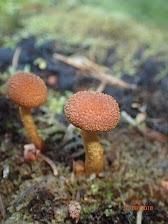
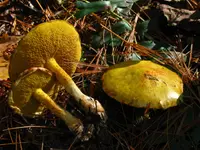
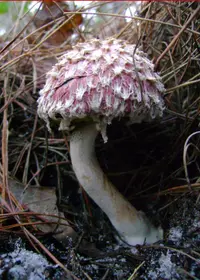
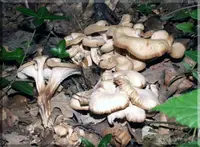
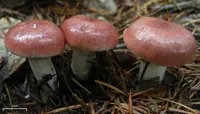
Rosy slime spike, Gomphidius subroseus, is a soft-fleshed mushroom rather than a true leafy plant. It forms slender, slimy caps in pink to rosy shades, usually with a darker center and pale gills that run slightly down the stem.

This species typically appears in conifer forests of North America and Europe, often near pines or spruces because it associates with their roots. It can be challenging to cultivate at home since it depends on this close partnership with living trees.

For those who want to care for Rosy Slime Spike in a managed woodland or naturalistic setting, stable moisture, cool conditions, and undisturbed, organic-rich soil are important.

Main Plant Requirements

Care Difficulty

Hard Care

Light Preference

Shade

Water Requirements

Keep Soil Moist

Temperature Preference

Cool Climate

Hardiness Zone

Unknown

Soil Texture

Loamy, Sandy, Organic-rich

Soil pH

Acidic (5.5–6.5), Slightly acidic (6.5–7.0)

Soil Drainage

Moist but well-drained

Fertilization

Minimal (feed rarely)

Get Personalized Care Plan

Scan your plant to receive care tips personalized for your specific plant

Available on iOS and Android

How to Care for the Rosy Slime Spike

This mycorrhizal mushroom prefers forest light conditions rather than direct open sun.

  • Thrives in dappled or filtered light under conifers or mixed woodland, equivalent to bright shade for most of the day.
  • Tolerates brief morning sun (1–3 hours) but prolonged midday or afternoon sun dries the duff layer and can reduce Rosy Slime Spike fruiting.
  • In dry, bright seasons, a light organic mulch helps buffer excess light and maintain moisture, while in dense shade fruiting may become sparse.

This fungus depends on consistently moist, not waterlogged, forest soil and litter.

  • Soil should stay evenly moist 5–10 cm deep; if the upper layer becomes crumbly and pale, conditions are too dry for reliable fruiting.
  • Avoid standing water or compacted, poorly drained ground, which promotes anaerobic conditions and can rot fine mycorrhizal roots of Gomphidius subroseus.
  • During prolonged dry periods, gentle, infrequent soaking that mimics steady rainfall is preferable to frequent light splashing that only wets the surface.

This species fruits best in cool to mildly warm conditions typical of temperate forests.

  • Optimal fruiting occurs around 50–65°F (10–18°C), often in late summer to autumn when soil stays cool and evenly moist.
  • Mycelium in the soil can tolerate down to about 25°F (-4°C), but hard, repeated frosts below this limit greatly reduce visible mushroom production.
  • Heat above 80°F (27°C), especially with dry winds, can halt fruiting; shaded, mulched soil buffers temperature swings between seasons.

This mycorrhizal fungus is not suited to controlled indoor humidity culture and is normally managed by habitat choice rather than air-moisture adjustment.

This ectomycorrhizal fungus relies on living conifer hosts, so soil preparation focuses on supporting tree roots and the forest-type substrate rather than the fungus directly.

  • Use a loose, organic-rich, needle-litter layer over sandy to loamy mineral soil to mimic conifer forest floors where Gomphidius subroseus naturally appears.
  • Maintain free drainage with no standing water by avoiding compaction and incorporating coarse sand or fine gravel into heavier sites.
  • Aim for slightly acidic conditions around pH 4.5–6.0, which favor conifer roots and the associated mycorrhizal community.
  • Avoid fertilized, limed, or heavily disturbed soils, which can suppress mycorrhizal formation and reduce fruiting potential.

This species is not realistically suitable for container growing because it depends on an extensive ectomycorrhizal relationship with living conifer roots in natural soil.

This mycorrhizal fungus is not a typical houseplant and usually does not benefit from routine fertilization.

Gomphidius subroseus does not require pruning in the horticultural sense, but fruiting bodies can be tidied for hygiene and observation.

  • Remove collapsed, moldy, or insect-damaged mushrooms using clean gloves or a knife, cutting at the base.
  • Collect mature caps if spore study is desired, then discard in compost or designated waste.
  • Avoid disturbing the soil or underlying mycorrhizal roots, as this can reduce future fruiting.

This fungus forms symbiotic associations with conifer roots, so transplanting focuses on the host tree and soil rather than the mushrooms themselves.

  • Transplant only when moving a young host tree that already fruits Rosy Slime Spike, keeping the native soil around roots intact.
  • Plan moves in cool, moist seasons such as early spring or fall to limit stress on tree roots and fungal mycelium.
  • Minimize disturbance by slipping the root ball out with surrounding soil, avoiding shaking or washing roots.
  • After transplanting, water deeply and maintain even soil moisture so the root–fungus partnership can re-establish.

Reproducing Gomphidius subroseus is specialized because it relies on a mycorrhizal relationship with suitable conifer hosts.

  • Propagation is typically done by relocating soil and fine roots from an existing colony around compatible young conifers.
  • Carry out transfers in cool, moist weather, keeping donor soil shaded and slightly damp during handling.
  • Bury the inoculated soil in the new site at the same depth, close to feeder roots, and water well.
  • Allow 1–3 years for fruiting to appear, as the fungus must first establish functional mycorrhizae.

This species is generally cold hardy in its native forest range and needs no special winter care.

  • In container-grown conifers with inoculated soil, insulate pots with mulch or place them against a sheltered wall in cold climates.
  • Avoid waterlogged conditions in winter, which can damage both tree roots and fungal mycelium.
  • Do not disturb leaf litter excessively, as it helps buffer temperature and moisture around the root zone.

Care Tips

Host tree pairing

Establish this mycorrhizal fungus near compatible conifers such as pine, spruce, or fir, using a thin layer of needle-rich duff from under a healthy host tree to encourage its symbiotic association.

Moisture-buffered bed

Create a shallow, shaded bed with a top layer of conifer needles, fine bark, and leaf litter over the native soil to buffer moisture swings and protect developing mycelium from surface drying.

Low-disturbance management

Mark the fruiting zone and avoid raking, tilling, or heavy foot traffic there, since compacted or repeatedly disturbed soil can damage the mycelial network and reduce future fruiting.

Clean harvesting technique

Harvest by gently twisting or cutting the mushroom at the base with a clean knife and then replacing the leaf litter, which limits damage to the mycelium and helps maintain humidity for subsequent flushes.

Seasonal monitoring routine

During the main fruiting season, inspect the area every 2–3 days after rain to track patterns, remove decaying debris that may host pests, and fine-tune how to take care of Rosy Slime Spike in that specific site over time.

Common Pests and Diseases

Mycophagous springtails

These insects feed on the gills and cap surface, leaving pitted, roughened areas and sometimes small tunnels in the flesh. Symptoms include distorted caps and faster drying or decay of affected fruiting bodies.

Solution

Collect and remove heavily damaged mushrooms promptly and maintain good forest floor hygiene by removing excess rotting organic debris around the fruiting zone. If cultivating, reduce constant surface wetness by adjusting watering and improve airflow at ground level, which discourages large springtail populations without eliminating the moist microhabitat that the fungus needs.

Fungus gnat larvae

This pest lives in the soil or moss around the mycelium and can burrow into developing mushroom stems and caps. Symptoms include soft, waterlogged stipes, internal tunneling, and premature collapse of fruiting bodies.

Solution

Limit standing water and overly saturated substrates near known Gomphidius subroseus patches, and if cultivating, use well-draining, clean substrate and avoid overwatering. Sticky traps placed near the ground can help monitor and reduce adult gnats, while timely harvesting of mushrooms reduces the window for larval damage.

Slugs and snails

These animals rasp away tissue from the cap margin and upper surface, leaving irregular holes and slime trails. This damage often appears overnight and can quickly render fruiting bodies unsightly or unusable.

Solution

Hand-pick slugs and snails during cool, damp periods and remove nearby hiding places such as boards, dense leaf piles, and stones. In managed or cultivation settings, use physical barriers like copper tape or coarse grit rings and avoid broadcasting broad-spectrum slug pellets that can harm non-target organisms.

Mite grazing

These arthropods feed on mushroom tissue and spores, creating fine pitting on gills and caps and occasionally causing browning or a powdery, abraded look. This pest is more common in very humid, sheltered microsites with abundant decaying organic matter.

Solution

Reduce overcrowded, continuously wet microhabitats by gently aerating the litter layer and avoiding dense piles of cut plant material where mites build up. In small cultivation setups, remove infested fruiting bodies, clean surrounding surfaces, and slightly increase air movement while keeping humidity within the range needed for growing Rosy Slime Spike.

Interesting Facts

Unusual mycorrhizal lifestyle

Although it looks like many gilled mushrooms, this species belongs to the family Gomphidiaceae and forms ectomycorrhizal associations with conifers, especially pines, where its underground mycelium exchanges mineral nutrients for sugars from tree roots.

Slimy, pinkish cap

The cap is characteristically slimy when moist and shows pale to rosy pink tones with darker fibrils or spots, which helps distinguish it from related duller, grayish species in the same genus.

Potential parasite of Suillus

Field observations suggest it can grow in close association with Suillus species and may partially exploit the pre-existing mycorrhizal network that Suillus establishes with conifers, giving it access to nutrients with reduced investment in its own root contacts.

Botan icon

Did you know?

Molecular and morphological studies have shown that this species and its close relatives are more closely related to bolete-like fungi than to typical gilled mushrooms, despite having well-developed gills, illustrating that gill structures have evolved multiple times in mushroom evolution.

FAQs about Rosy Slime Spike

This mushroom is generally regarded as inedible or at least not recommended for consumption. Identification within Gomphidius and related genera is difficult, and misidentification risks poisoning. For safety, avoid eating it and treat it as ornamental only.

Grow Healthy Plants with Botan Care

Keep your plants happy and healthy with plant identification, disease detection, and easy care guidance.

Botan plant care app — identify plants on mobile

Explore More Plants