Hairy Oyster Mushroom Care (Panus neostrigosus)

Hairy Oyster Mushroom

About Hairy Oyster Mushroom

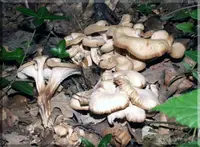
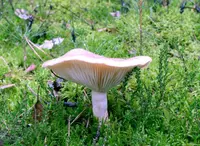
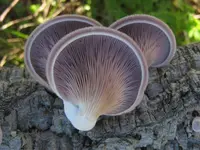
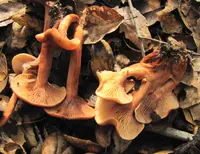
Hairy oyster mushroom, Panus neostrigosus, is a saprotrophic fungus that grows on dead or decaying wood rather than in soil like typical garden plants. It forms small to medium fan-shaped caps with a hairy or fuzzy upper surface and gills on the underside, usually in layered clusters. In nature it is found in warm, humid forests, especially in tropical and subtropical regions, where it helps break down wood and recycle nutrients. For those wanting to learn how to care for Hairy Oyster Mushroom, it generally prefers shaded, moist, well-ventilated conditions and consistently damp, clean woody substrate.

Main Plant Requirements

Care Difficulty

Hard Care

Light Preference

Shade

Water Requirements

Keep Soil Moist

Temperature Preference

Warm Climate

Hardiness Zone

Unknown

Soil Texture

Organic-rich, Peaty

Soil pH

Acidic (5.5–6.5)

Soil Drainage

Moist but well-drained

Fertilization

Minimal (feed rarely)

Get Personalized Care Plan

Scan your plant to receive care tips personalized for your specific plant

Available on iOS and Android

How to Care for the Hairy Oyster Mushroom

Panus neostrigosus prefers low to moderate light levels that mimic a shaded woodland floor.

  • Provide bright, indirect light or dappled shade, such as 2–4 hours of gentle morning sun filtered through foliage, avoiding harsh midday exposure.
  • Allow consistent shade during the hottest midday hours to prevent the fruiting bodies of Hairy Oyster Mushroom from drying, bleaching, or cracking under intense sun.
  • In summer, increase shade or use shade cloth if caps pale or edges curl; in cooler months, slightly brighter filtered light supports steady growth.

Panus neostrigosus needs consistently moist but not waterlogged conditions to develop healthy fruiting bodies.

  • Aim for evenly moist substrate, letting only the top 1–2 cm feel just damp rather than wet, and avoid any standing water around the growing area.
  • Increase watering or misting when the surface appears dry, caps feel leathery, or edges curl inward; reduce input if you see soggy substrate, mold growth, or a sour smell.
  • Use a loose, well-drained organic mix or woody substrate so excess water can escape, adjusting frequency during hotter months when evaporation is faster and during cooler months when drying is slower.

This fungus thrives in mild, stable temperatures that avoid both frost and extreme heat.

  • Maintain an optimal range of 60–75°F (16–24°C) for steady growth, as cooler nights within this band generally support firm, well-formed fruiting bodies.
  • Protect from cold snaps below 40°F (4°C), which can slow or halt development and damage tissue, and avoid any frost exposure outdoors.
  • Limit exposure to heat above 82–86°F (28–30°C), especially when air is dry, since caps may toughen, dry out, or abort; provide shade and extra moisture during hot spells.

This fungus needs sustained high humidity to form healthy fruiting bodies.

  • Maintain 85–95% humidity around developing clusters using a humidity tent, fogger, or dedicated fruiting chamber.
  • Tolerates brief dips to 70–75%, but prolonged dry air causes cracked caps, tough texture, and stalled growth.
  • Increase humidity by frequent fine misting of chamber walls or substrate surface, avoiding direct soaking of the Hairy Oyster Mushroom caps.

Panus neostrigosus is a wood-decaying fungus that grows on lignin-rich substrates rather than mineral soil.

  • Use a loose, highly aerated mix based on hardwood sawdust or chips, optionally blended with straw or soybean hulls for extra nutrition.
  • Ensure rapid drainage so the substrate stays evenly moist but never waterlogged, which encourages bacterial contamination and anaerobic zones.
  • Aim for a slightly acidic to neutral environment (around pH 5.5–7), adjusting with agricultural lime or gypsum if the base material is very acidic.
  • Avoid garden soil, dense compost, or fine peat alone, as these compact easily and restrict air flow through the mycelial network.

This species is suitable for container cultivation when grown in bags, buckets, or tubs filled with prepared substrate.

  • Use opaque or semi-opaque containers to reduce light on the colonizing substrate while still allowing side-fruiting through cut slits or holes.
  • Choose sturdy containers that support the weight of fully hydrated substrate and clusters without tipping when mushrooms emerge on one side.
  • Drill or cut strategic fruiting windows above any drainage or gas-exchange holes so mushrooms form where airflow and humidity are easiest to manage.

Panus neostrigosus grown on logs or substrate usually needs minimal fertilization because it feeds directly from decomposing wood.

  • For sawdust or straw blocks, mix in a balanced nutrient supplement designed for mushrooms rather than standard NPK houseplant fertilizer.
  • Avoid rich compost or heavy manures, which encourage contamination and bacterial growth in the substrate.
  • During active flushes, use only very dilute (25–30% strength) liquid nutrient solutions if yields drop, and keep the substrate evenly moist, not soaked.

Pruning is not relevant for Panus neostrigosus, as it is a wood-decaying mushroom, not a leafy plant.

This fungus is managed by renewing or moving its substrate rather than classic repotting.

  • Plan to replace or relocate colonized logs or blocks every 1–2 years, once yields and flush size noticeably decline.
  • Transplant by moving fully colonized substrate into a shaded, humid area, minimizing breakage of the mycelium network.
  • Handle logs or blocks gently, keeping them intact to reduce mycelial stress and allow faster recovery and fruiting.
  • Time moves or new installations for mild weather in spring or fall to avoid extreme heat or freezing conditions.

Propagation of Panus neostrigosus relies on mycelium expansion rather than traditional plant methods.

  • Use spawn (grain or sawdust colonized by the fungus) to inoculate fresh hardwood logs, sawdust, or straw substrates.
  • Inoculate in spring or early summer when temperatures are mild and stable.
  • Maintain high humidity, clean tools, and close contact between spawn and fresh substrate to support rapid colonization.
  • Keep inoculated material shaded and protected from drying winds to prevent the mycelium from desiccating.

Outdoor cultures of this wood-decaying mushroom generally tolerate cool conditions but can slow or pause growth in winter.

  • In cold climates, move small substrate blocks into an unheated but frost-free shed or garage if prolonged hard freezes occur.
  • For logs left outside, apply a 5–8 cm mulch layer around the base to moderate soil temperature and moisture.
  • Indoor or sheltered setups for Hairy Oyster Mushroom should stay just above freezing, with stable humidity to prevent substrate drying.

Care Tips

Optimize Air Exchange

Drill or melt small gas-exchange holes in cultivation bags or tubs and fan briefly 1–2 times daily during fruiting to supply fresh air and reduce carbon dioxide buildup that causes long stems and small caps.

Clean Harvest Technique

Use a clean, sharp knife to cut clusters flush with the substrate surface and gently remove leftover stem bases, which helps prevent bacterial rot and encourages more even subsequent flushes.

Substrate Surface Management

After each harvest, lightly brush away loose, spent mycelium and any slimy or discolored patches from the substrate surface to limit contamination and improve pin (young mushroom) formation.

Targeted Humidity Control

Create a simple humidity tent using a clear plastic tote or bag with several side holes, and mist the inside surfaces rather than the mushrooms directly to maintain a moist microclimate without soaking developing clusters when growing Hairy Oyster Mushroom.

Flush Scheduling Observation

Record the timing and yield of each flush in a notebook so you can adjust hydration and air exchange between flushes and decide when a block is exhausted and ready to be discarded safely.

Common Pests and Diseases

Competing molds

This disease appears as fast‑spreading green, black, or blue patches on the substrate or on mushroom surfaces. Symptoms include stalled growth, deformed caps, and a dusty or fuzzy look on the affected area.

Solution

Remove and discard heavily contaminated substrate blocks and any mushrooms in direct contact with mold. Lower moisture on surfaces, increase fresh air exchange, and thoroughly clean the growing area with a 10% bleach or 70% isopropyl alcohol solution; start new cultures from clean spawn or agar to restore a healthy crop when growing Hairy Oyster Mushroom.

Bacterial blotch

This disease causes greasy, water‑soaked spots or yellow‑brown lesions on caps, often linked to overly wet surfaces and poor air movement. Symptoms include soft, slimy tissue that breaks down rapidly.

Solution

Reduce cap wetness by avoiding direct misting on mushrooms and instead humidify the surrounding air, and increase airflow to dry surfaces between humidification cycles. Remove and discard affected fruiting bodies and sanitize tools and shelving with a food‑safe disinfectant before the next flush.

Fungus gnats

These insects are small, dark flies whose larvae feed in the substrate and around developing primordia, leading to poor pin formation and tunneled stems. This pest also spreads fungal and bacterial contaminants between blocks.

Solution

Use yellow sticky traps to monitor and reduce adult populations, keep the floor and any spilled substrate very clean, and avoid standing water. If pressure is high, cover vents with fine insect mesh and consider a biological control such as Bacillus thuringiensis israelensis (Bti) applied according to label directions to target larvae in the substrate.

Springtails

These insects are tiny, jumping arthropods that thrive in constantly wet substrates and can graze on mycelium and young pins, causing uneven or aborted flushes. This pest usually indicates overly saturated conditions and heavy organic debris.

Solution

Improve drainage and slightly reduce overall moisture, allowing the surface of the substrate to dry a little between misting cycles while maintaining ambient humidity. Clean up organic debris, use fine mesh on air inlets, and if needed apply a targeted, mushroom‑safe biological insect control following the manufacturer’s instructions.

Mite infestation

These pests appear as very small, pale or reddish dots on substrate and mushroom bases, sometimes causing pitted or scarred tissue and reduced yields. This pest often arrives on contaminated straw, sawdust, or previously infested blocks.

Solution

Remove and discard heavily infested blocks, then thoroughly clean racks, walls, and floors, paying attention to cracks and crevices. Use heat treatment of empty rooms where possible, source clean pasteurized substrate or sterilized blocks, and install physical barriers and sticky traps to reduce future mite movement into the grow space.

Interesting Facts

Hair-like cap surface

The cap of this fungus is densely covered with coarse, hair-like projections, giving it a distinctly shaggy or hairy appearance compared with smoother oyster-like relatives.

Tough, leathery flesh

Its fruiting bodies are noticeably tougher and more leathery than true oyster mushrooms, reflecting its placement in the family Polyporaceae, which includes many woody, shelf-like fungi.

Wood-decaying specialist

This species grows as a saprobe on dead or decaying wood, contributing to forest nutrient cycling by breaking down lignin-rich hardwoods in warm, humid regions such as parts of Central and South America.

FAQs about Hairy Oyster Mushroom

This species is generally considered inedible or of very poor culinary value due to its tough, fibrous texture. It is best treated as an ornamental or study species rather than collected for food.

Grow Healthy Plants with Botan Care

Keep your plants happy and healthy with plant identification, disease detection, and easy care guidance.

Botan plant care app — identify plants on mobile

Explore More Plants