Rio Grande globe amaranth Care (Gomphrena haageana)

Rio Grande globe amaranth

About Rio Grande globe amaranth

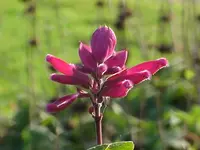
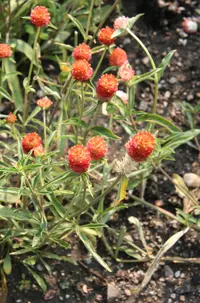
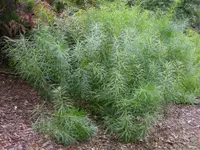
Rio Grande globe amaranth (Gomphrena haageana) is a warm-season flowering annual known for its round, clover-like flower heads in bright reds, oranges, and pinks. It forms a compact, bushy plant with branching stems and small, slightly hairy leaves.

This species is native to Mexico and the south-central United States, where it thrives in hot, sunny, open habitats. It is valued in gardens for long-lasting blooms that hold color well when dried.

The plant is generally easy to grow, as it tolerates heat, drought, and poor soils once established. Gardeners who want to care for Rio Grande globe amaranth should provide plenty of sun and well-drained soil for best performance.

Main Plant Requirements

Care Difficulty

Easy Care

Light Preference

Full Sun

Water Requirements

Low Water

Temperature Preference

Tropical / Frost Sensitive

Hardiness Zone

9–11

Soil Texture

Sandy, Loamy, Organic-rich

Soil pH

Acidic (5.5–6.5), Slightly acidic (6.5–7.0)

Soil Drainage

Well-drained

Fertilization

Light (every 4–6 weeks)

Get Personalized Care Plan

Scan your plant to receive care tips personalized for your specific plant

Available on iOS and Android

How to Care for the Rio Grande globe amaranth

This sun-loving annual thrives in open, bright conditions for compact, floriferous growth.

  • Provide 6–8 hours of direct sun daily; morning and midday sun are ideal, with light afternoon shade in very hot regions.
  • Plants tolerate light partial shade (around 4–5 hours sun), but Rio Grande globe amaranth will produce fewer, looser blooms.
  • In summer, monitor for leaf scorch or crisping flower heads in prolonged 95°F (35°C)+ heat; in spring and fall, avoid deep shade that causes stretching and weak stems.

This species prefers slightly dry conditions and resents waterlogged soil.

  • Water only when the top 3–5 cm of soil feels dry, then soak the root zone and let excess drain away completely.
  • Use well-drained, gritty or sandy soil; persistent wetness, soft stems, and yellowing lower leaves indicate overwatering in Gomphrena haageana.
  • In peak summer, drying happens faster and wilting foliage that recovers by evening signals time to water, while in cooler seasons intervals between waterings lengthen.

Warm, stable temperatures support strong growth and continuous flowering.

  • Optimal growth occurs at 70–90°F (21–32°C); plants handle typical summer heat if soil is free-draining and not waterlogged.
  • Treat it as frost-tender; growth slows below 60°F (16°C), and exposure near 32°F (0°C) can blacken foliage and kill plants.
  • In hot spells above 95°F (35°C), flowering continues if roots stay slightly dry between waterings and plants receive some late-afternoon shade.

Gomphrena haageana handles a wide humidity range and rarely needs special humidity control.

  • Performs well at 30–60% humidity, similar to most heated or air-conditioned homes.
  • Tolerates dry air without leaf damage; do not mist routinely as it adds moisture to foliage, not roots.
  • If flowers brown early or foliage wilts despite moist soil, improve air circulation rather than raising humidity.

This species prefers a light, fast-draining mineral-based soil that never stays waterlogged.

  • Use a sandy or loamy mix such as 50% all-purpose potting soil, 25% coarse sand, and 25% perlite to keep pores open around the roots.
  • Aim for slightly acidic to neutral pH around 6.0–7.0, avoiding strongly acidic or alkaline substrates that can limit nutrient uptake.
  • Incorporate a thin layer of mature compost for nutrients, but keep organic matter moderate so the mix still feels loose and gritty.
  • Avoid heavy clay, peat-heavy, or compacted mixes that hold water for more than 1 day after thorough watering, and break up any crusted surface.

This species is well suited to container growing outdoors.

  • Choose a wide, low to medium-depth pot to support the branching, bushy habit without making the plant top-heavy in wind.
  • Select a breathable material such as unglazed terracotta if the mix stays wet for longer than 1–2 days, to increase evaporation from the sides.
  • Elevate the container slightly on pot feet or bricks so drainage holes stay clear and runoff leaves the root zone quickly during heavy rain.

Gomphrena haageana benefits from moderate feeding to support continuous flowering in warm months.

  • Use a balanced liquid fertilizer (such as 10-10-10 or 20-20-20) at 1/2 strength every 3–4 weeks during the active growing season.
  • A slow-release granular fertilizer mixed into the topsoil in spring can provide steady nutrients for Rio Grande globe amaranth.
  • Supplement with light applications of compost around the root zone, keeping it away from direct stem contact to avoid rot.
  • Stop feeding in late fall and winter when growth slows, as excess nutrients can lead to weak, stretched growth.

Pruning helps Gomphrena haageana stay compact and produce more flowers through the season.

  • Begin light pruning in late spring once plants are well established and actively growing.
  • Deadhead spent flower stems with clean scissors or pruners to extend blooming and reduce unwanted self-seeding.
  • Remove dead, damaged, or crossing stems to maintain airflow and reduce fungal problems.
  • Pinch or lightly trim stem tips to encourage branching and a fuller, dome-shaped plant.

This annual is usually transplanted outdoors rather than long-term repotted, so focus on gentle handling of roots.

  • Transplant seedlings after frost risk has passed, once they have several true leaves and roots hold the plug together.
  • Use fresh, well-drained soil and a slightly larger cell or pot only if roots circle the container or growth stalls.
  • Water plants well a few hours before moving them, then transplant in the cool part of the day to limit shock.
  • Firm soil gently around the root ball, water thoroughly after planting, and provide light shade for 2–3 days if sun is intense.

Propagation of Gomphrena haageana is most reliable from seeds started in warm conditions.

  • Sow seeds indoors 6–8 weeks before the last frost or directly outdoors after soil warms to at least 65°F.
  • Press seeds lightly into a well-drained seed mix and keep evenly moist, not waterlogged, until germination in 7–14 days.
  • Provide bright light and good air circulation to prevent seedlings from stretching and to reduce damping-off disease.
  • Harden off young plants gradually outdoors over 7–10 days before transplanting to their final position.

Gomphrena haageana is a warm-season annual and typically does not survive freezing winters.

  • Expect plants to die back after the first hard frost; no complex overwintering is needed in the ground.
  • In mild climates without hard freezes, a light mulch layer can stabilize soil temperature and moisture around roots.
  • Container plants in cooler regions can be discarded after frost or replaced the next growing season from new seeds.

Care Tips

Staggered Succession Sowing

Sow small batches every 2–3 weeks in spring and early summer so flowering is continuous and stem quality stays high for cutting or display.

Pinch For Bushiness

When plants reach 10–15 cm tall, pinch out the main growing tip once to encourage more lateral branches and a greater number of flower stems.

Cut-Flower Harvest Timing

Harvest stems when flower heads are fully colored but still firm, cutting in the cool morning and placing stems immediately into clean water to maximize vase life.

Efficient Drying Setup

For dried arrangements, bundle stems loosely with elastic bands and hang them upside down in a dry, shaded, well-ventilated space so flower heads keep their shape and color.

Targeted Mulch Management

Apply a thin, 2–3 cm layer of loose, dry mulch between rows after plants are established to reduce weed competition while keeping the immediate crown area open to prevent excess moisture buildup when growing Rio Grande globe amaranth.

Common Pests and Diseases

Spider mites

This pest thrives on Rio Grande globe amaranth in hot, dry conditions, causing fine stippling, dull leaves, and fine webbing between stems and foliage.

Solution

Rinse plants thoroughly with a strong but gentle stream of water, focusing on leaf undersides, then repeat every few days; in persistent cases, apply insecticidal soap or a neem oil spray and increase humidity around the plants while maintaining good airflow.

Leaf spot

This disease appears as small, brown to tan spots that may merge and cause partial yellowing and premature leaf drop, especially in warm, humid weather.

Solution

Remove and discard affected leaves, avoid overhead watering, and water early in the day so foliage dries quickly; improve spacing and airflow, and use a copper- or chlorothalonil-based fungicide only if the problem continues to spread.

Botrytis blight

This disease causes soft, water-soaked patches on leaves or flower heads that develop gray, fuzzy mold, especially under cool, damp conditions or with dense foliage.

Solution

Cut off and dispose of all infected tissue, reduce humidity, and improve air circulation; keep flowers and foliage dry, and where needed apply a labeled botrytis fungicide and avoid overcrowding when growing Rio Grande globe amaranth.

Aphids

These insects cluster on soft stems and flower stalks, sucking sap and excreting sticky honeydew that can attract sooty mold and distort new growth.

Solution

Dislodge colonies with a firm stream of water, then treat remaining clusters with insecticidal soap or horticultural oil, repeating weekly as needed while also controlling nearby weeds that can host aphids.

Powdery mildew

This disease presents as white, powdery patches on leaves and stems, which may lead to yellowing, curling, and reduced flowering under crowded, shaded, or poorly ventilated conditions.

Solution

Remove heavily affected leaves, improve sun exposure and airflow, water at soil level, and if necessary apply a sulfur or potassium bicarbonate fungicide according to label directions to protect healthy new growth.

Interesting Facts

Heat-adapted annual

This species is native to hot, semi-arid regions of Mexico and the southwestern United States and continues to flower reliably in high summer heat that stops many other ornamentals.

Long-lasting dry blooms

The papery flower bracts of this plant hold their color for months after cutting and drying, which is why it is widely used in long-lived dried flower arrangements and craft work.

Pollinator-friendly clusters

Its dense, clover-like flower heads provide numerous small florets that supply nectar and pollen for bees, butterflies, and other pollinators throughout the warm season, especially in low-rainfall gardens.

Botan icon

Did you know?

This species has been used as a drought-resilient bedding and border plant in breeding programs to introduce stronger heat and drought tolerance into ornamental Gomphrena lines, making it a useful parent in developing tougher garden cultivars.

FAQs about Rio Grande globe amaranth

This species grows at a moderate rate from seed, usually reaching flowering size in 8–12 weeks under warm, bright conditions. Consistent warmth, adequate nutrition, and not being rootbound support steady growth without making stems weak or floppy.

Grow Healthy Plants with Botan Care

Keep your plants happy and healthy with plant identification, disease detection, and easy care guidance.

Botan plant care app — identify plants on mobile

Explore More Plants