Grammitis ciliata Care

Grammitis ciliata

About Grammitis ciliata

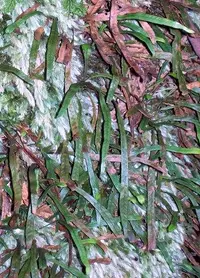
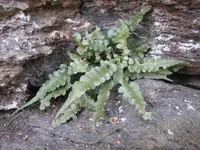
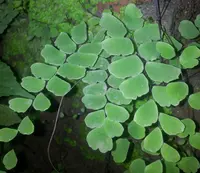
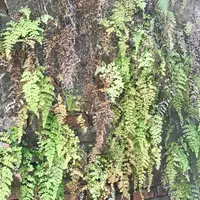
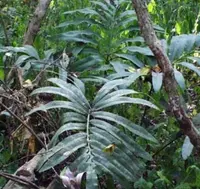
Grammitis ciliata is a small epiphytic fern that typically grows on tree trunks, mossy rocks, or old logs in humid tropical and subtropical forests. It forms delicate clumps of narrow fronds, giving it a fine, feathery appearance rather than a bold, leafy look.

In nature, it occurs mainly in shaded, moist habitats where air humidity stays high and air movement is gentle. These ecological preferences make it more challenging than common houseplants, since it dislikes dry air and irregular moisture. Those who want to learn how to care for Grammitis ciliata should focus on stable humidity, soft indirect light, and a very free‑draining, airy substrate.

Main Plant Requirements

Care Difficulty

Hard Care

Light Preference

Partial Shade

Water Requirements

Keep Soil Moist

Temperature Preference

Tropical / Frost Sensitive

Hardiness Zone

Unknown

Soil Texture

Loamy, Peaty, Organic-rich

Soil pH

Acidic (5.5–6.5)

Soil Drainage

Moist but well-drained

Fertilization

Minimal (feed rarely)

Get Personalized Care Plan

Scan your plant to receive care tips personalized for your specific plant

Available on iOS and Android

How to Care for the Grammitis ciliata

This fern prefers soft, woodland-style light rather than direct, open sun.

  • Provide bright, filtered light or light dappled shade, such as under taller plants or a shade cloth giving 50–70% cover.
  • Aim for 2–4 hours of gentle morning sun with shade or strong filtration from late morning through the afternoon to prevent frond scorch.
  • In summer, protect from intense midday sun; in winter, increase light exposure slightly by thinning overhead shade if growth appears sparse.

Moist, airy substrate is essential for healthy rhizomes and fine roots.

  • Water when the upper 1–2 cm of substrate feels just starting to dry, keeping it evenly moist but never saturated.
  • Use a fast-draining mix on a slope or in a well-drained bed so excess water runs off, reducing the risk of root rot and sour smells from anaerobic soil.
  • In warmer months, monitor more often for crisping fronds or curling tips (too dry); in cool seasons, slow watering if fronds yellow and base feels constantly wet.

This fern thrives in mild, frost-free conditions with steady, cool to warm temperatures.

  • Aim for 60–77°F (16–25°C) during active growth, which supports steady frond production without heat stress.
  • Protect from temperatures below 45°F (7°C); brief dips to 40°F (4°C) may be tolerated but repeated cold greatly increases frost damage risk.
  • In hot periods above 82°F (28°C), increase shade and humidity and avoid hot, drying winds, as prolonged heat combined with low moisture can desiccate fronds.

This fern prefers consistently moist air and reacts quickly to dry conditions.

  • Aim for 60–80% humidity to mimic the naturally humid habitats of Grammitis ciliata.
  • Brown, crisp frond tips and stalled new growth indicate air that is too dry.
  • Use a humidity tray or group plants closely to raise local humidity without waterlogging the roots.

This species needs a loose, airy, moisture-retentive yet free-draining substrate.

  • Use a mix of fine orchid bark, peat or coco coir, and perlite in roughly equal parts for a fibrous, humus-rich structure.
  • Ensure rapid drainage so water runs through in seconds while the mix stays slightly damp, not soggy.
  • Aim for slightly acidic conditions around pH 5.5–6.5, which support nutrient uptake for Grammitis ciliata.
  • Avoid dense garden soil, unamended potting mix, or any medium that compacts and limits air around the roots.

This fern can be grown successfully in containers when moisture and drainage are balanced carefully.

  • Choose a shallow, wide pot so the fine root system can spread in a thin, evenly moist layer.
  • Select a lightweight plastic or composite pot if extra moisture retention is needed in warm, dry climates.
  • Elevate the container slightly so drainage holes are unobstructed and excess water can escape quickly after watering.

This fern grows best with light feeding during active growth but is sensitive to excess salts.

  • Apply a balanced NPK liquid fertilizer at 1/4 strength every 4–6 weeks in spring and summer.
  • Use soft, well-watered soil before feeding to limit root burn in Grammitis ciliata.
  • Skip or greatly reduce fertilization in fall and winter when growth slows.
  • Avoid heavy compost or slow-release pellets that can keep the fine roots too wet and salty.

Pruning needs are minimal and focus on hygiene rather than shaping.

  • In late winter or early spring, remove dead or yellowing fronds at the base with clean, sharp scissors.
  • Cut away damaged or diseased tissue promptly to limit spread of rot in Grammitis ciliata.
  • Thin very crowded fronds to improve airflow and reduce fungal issues, keeping the natural clumping form.
  • Disinfect tools before and after use to reduce pathogen transfer between plants.

This fern prefers stable conditions and only occasional disturbance of its root system.

  • Plan to repot or transplant every 2–3 years, or when roots circle the pot or growth noticeably slows.
  • Carry out repotting in spring, using a shallow container with a loose, fine, well-drained epiphytic mix.
  • Lift the plant gently, disturb roots as little as possible, and keep the rhizomes at the same depth as before.
  • Water lightly after repotting, maintain high humidity, and shade from strong light until new growth resumes.

Propagation of this species is usually limited to experienced growers and is not often attempted at home.

  • Spore propagation is the standard method, started in warm, stable conditions in late spring or summer.
  • Collect mature spores from the underside of fronds on Grammitis ciliata and sow them on sterile, moist medium.
  • Keep covered at 70–75°F with constant high humidity and low to medium, indirect light for germination.
  • Avoid disturbing the young gametophytes and first fronds; transplant only when small clumps are well established.

This fern is sensitive to hard frost and benefits from sheltered winter conditions in most temperate climates.

  • Keep temperatures above 45–50°F; in colder regions grow in containers and overwinter indoors or in a greenhouse.
  • Provide bright, indirect light and slightly drier, but never bone-dry, substrate during winter.
  • Use a light mulch around outdoor plants in mild climates to buffer short cool spells and soil temperature.

Care Tips

Mounting technique

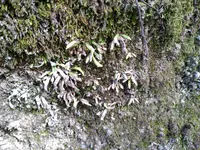
Attach the fern to a rough-barked branch, tree-fern slab, or cork using soft ties and a thin layer of long-fiber sphagnum around the roots, which keeps the plant stable and the fine roots evenly moist without waterlogging.

Epiphytic airflow

Position the mounted plant so that air can move freely all around the fronds and backing material, as this reduces the risk of fungal issues on the very thin fronds and helps the mounting medium dry predictably between waterings.

Fine-mist hydration

Use a hand mister with a very fine spray to wet both the fronds and mounting medium, allowing water to drip off rather than run in streams, which protects the delicate foliage and prevents the rhizomes from rotting.

Gentle cleaning

Rinse fronds occasionally with lukewarm water from a low-pressure spray to remove dust and spores from nearby plants, which maintains efficient photosynthesis and makes routine pest checks easier when caring for Grammitis ciliata.

Sectional propagation

When the rhizome has spread well over the mount, divide only small, actively growing sections with several healthy fronds and immediately remount them, minimizing handling of the hairlike roots to avoid transplant shock.

Common Pests and Diseases

Scale insects

This pest feeds on fronds and rhachises, causing yellowing, loss of vigor, and sticky honeydew on the foliage and nearby surfaces.

Solution

Remove heavily infested fronds, then wipe remaining fronds and stipes with a cotton pad dipped in diluted isopropyl alcohol or insecticidal soap, taking care not to saturate the rhizome. Improve air movement around the fern and, if needed, repeat targeted treatments every 7–10 days until new growth appears clean.

Fern aphids

These insects cluster on young unfurling fronds and fertile segments, leading to distorted growth and a fine, sticky residue that may support sooty mold.

Solution

Rinse fronds gently with lukewarm water to dislodge colonies, then apply a mild insecticidal soap or neem-based spray to both upper and lower leaf surfaces. Maintain stable moisture and avoid excess nitrogen fertilization, which encourages soft susceptible growth when caring for Grammitis ciliata.

Rhizoctonia blight

This disease attacks the creeping rhizomes and lower frond bases, causing brown, sunken lesions and collapse of individual fronds in dense, humid clumps.

Solution

Cut out and discard affected fronds and rhizome sections with sterile tools, then reduce overhead watering and increase spacing to improve airflow. If grown in pots, repot into a fresh, well-drained but moisture-retentive mix and consider a targeted biological or fungicidal drench labeled for Rhizoctonia on ferns.

Leaf spot fungus

This disease produces small, dark, often circular spots on the narrow fronds, which may merge into larger necrotic patches under consistently wet conditions.

Solution

Remove and discard spotted fronds, avoid wetting foliage during irrigation, and provide better air circulation around the plant. In persistent cases, use a fern-safe fungicide according to label instructions, focusing on protecting new fronds as they emerge.

Interesting Facts

Epiphytic fern specialist

This species is an epiphyte that naturally grows on tree trunks and branches rather than in soil, anchoring to bark while absorbing moisture and nutrients from rain, mist, and organic debris.

Ciliate scale hairs

The species name ciliata refers to the fine, hairlike cilia on structures such as the leaf scales, which give parts of the plant a slightly fringed or bristly appearance under magnification.

Moist montane habitat

Grammitis ciliata is typically associated with cool, humid montane forests where cloud, fog, and frequent rainfall maintain the high atmospheric moisture it depends on.

FAQs about Grammitis ciliata

This fern is evergreen in mild, frost-free conditions, holding its fronds year-round. In colder or very dry situations, some fronds may die back, but new growth usually returns from the rhizome when conditions improve.

Grow Healthy Plants with Botan Care

Keep your plants happy and healthy with plant identification, disease detection, and easy care guidance.

Botan plant care app — identify plants on mobile

Explore More Plants