Granulobasidium vellereum Care

Granulobasidium vellereum

About Granulobasidium vellereum

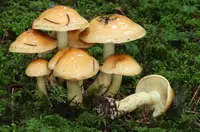
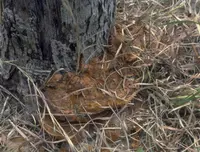
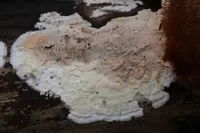
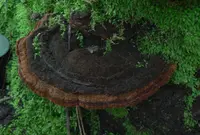
Granulobasidium vellereum is a crust-forming wood decay fungus, not a leafy houseplant. It typically appears as thin, whitish to cream patches spreading over dead or weakened wood. In nature it occurs mainly on conifer logs and stumps in temperate forests, where it plays a role in breaking down lignin and other wood components.

For anyone wanting to study or care for Granulobasidium vellereum in cultivation, the focus is on providing consistently cool, humid conditions and access to suitable woody substrate. Its biology makes it more relevant to forestry, wood durability, and mycology than to typical ornamental gardening.

Main Plant Requirements

Care Difficulty

Moderate Care

Light Preference

Partial Shade

Water Requirements

Moderate Water

Temperature Preference

Warm Climate

Hardiness Zone

Unknown

Soil Texture

Loamy

Soil pH

Slightly acidic (6.5–7.0)

Soil Drainage

Well-drained

Fertilization

Minimal (feed rarely)

Get Personalized Care Plan

Scan your plant to receive care tips personalized for your specific plant

Available on iOS and Android

How to Care for the Granulobasidium vellereum

This wood-decaying fungus prefers stable, low-intensity light rather than direct sun exposure.

  • Provide bright shade or dappled forest-style light, such as under shrubs or trees receiving 1–3 hours of weak morning sun only.
  • Avoid strong midday or afternoon sun, which can dry host wood rapidly and alter humidity around the Granulobasidium vellereum fruiting area.
  • In summer, protect from reflective heat and full exposure; in winter, reduced daylight is acceptable as long as the site stays moist and not wind-scoured.

This species depends on consistently moist, not waterlogged, wood and surrounding soil.

  • Maintain host wood and adjacent soil evenly moist; allow only the top 1–2 cm of soil surface to dry lightly between natural rain or supplemental watering.
  • Increase checks in hot, dry spells; if cracks appear in the soil or wood feels very dry, apply a slow, soaking watering, then let excess drain away.
  • Reduce added water in cool, wet seasons; persistent soggy soil, standing water, or foul smell indicates overwatering and poor aeration.

This fungus prefers cool to mild conditions with moderate seasonal variation.

  • Optimal activity occurs around 50–68°F (10–20°C), with steady moisture and shelter from drying winds.
  • It tolerates roughly 32–77°F (0–25°C), but repeated freezes below 32°F (0°C) or rapid freeze–thaw cycles can damage fruiting bodies.
  • Prolonged heat above 80°F (27°C), especially when dry, slows growth; provide shade, mulch, and moisture retention during hot periods.

This wood-decay fungus is not humidity-sensitive in typical outdoor conditions and does not require special humidity management in cultivation.

This fungus develops on dead or decaying wood rather than in mineral soil, so standard potting soil is not an appropriate substrate.

  • Provide well-rotted hardwood or softwood pieces, kept slightly moist but not waterlogged, as the main substrate for hyphal growth.
  • Ensure air can move freely around the wood to limit stagnant, saturated conditions that encourage competing molds and bacteria.
  • Avoid compacted, fine-textured mixes; if using any loose medium, it should be coarse, woody, and high in lignin, such as chipped branches or bark.
  • Keep pH roughly neutral to slightly acidic by avoiding strongly limed materials, since this can slow decomposition and fungal activity.

This species is rarely grown in containers and is not a practical focus for container culture outside specialized fungal or decay studies.

This wood-decaying fungus is adapted to low-nutrient forest substrates and does not benefit from routine fertilization in cultivation.

Granulobasidium vellereum does not require structured pruning, but host plants may need basic sanitation cuts to limit colonization of weakened wood.

  • Prune host branches in late winter or early spring, before vigorous growth begins, to assess wood condition clearly.
  • Remove dead, dying, or structurally unsound limbs that show extensive decay or fruiting bodies on the bark surface.
  • Use sharp, disinfected tools and make clean cuts just outside the branch collar to support proper wound closure.
  • Avoid creating large fresh wounds in wet weather, which increases infection routes for this and other wood-decay fungi.

As a natural wood-decay fungus, Granulobasidium vellereum is not managed through typical repotting; focus instead on transplanting or managing potential host trees.

  • Treat the appearance of fruiting bodies on planted trees as a sign of underlying decay rather than a signal to move the fungus itself.
  • If transplanting a young tree from an area with known infection, inspect roots and lower stem and discard material with visible decay.
  • Schedule any tree moving or major root disturbance for dormant seasons to limit stress and improve establishment at the new site.
  • Minimize root damage, maintain a firm soil ball, and keep roots moist but not waterlogged to reduce transplant shock and secondary infection.

Deliberate propagation of this decay fungus is rarely appropriate in general horticulture, so management focuses on limiting spread via infected wood.

This species is naturally cold hardy in temperate climates and needs no dedicated winter care in garden or woodland settings.

Care Tips

Host wood selection

Use fresh, sound conifer or hardwood logs rather than heavily decayed material to establish more predictable and traceable colonies when growing Granulobasidium vellereum for study or biocontrol trials.

Isolate infected material

Keep colonized wood and tools strictly separate from healthy timber and structural wood to prevent unintended spread of this decay fungus into buildings or stored lumber.

Moisture monitoring

Track wood moisture with a simple pin-type moisture meter and keep non-target structural wood below 20% moisture content to limit unwanted establishment of this species.

Tool and surface hygiene

Disinfect saws, chisels, and work surfaces with 70% alcohol or a quaternary ammonium product after contact with colonized wood to reduce cross-contamination between logs or sites.

Document decay progression

Photograph and label samples at regular intervals, noting wood species, moisture conditions, and visible mycelial growth, to build a practical reference set for recognizing and caring for Granulobasidium vellereum in managed environments.

Common Pests and Diseases

White pocket rot

This disease causes white, spongy, pocketed decay in the wood, often with thin, granular, white fruiting crusts on conifer logs or construction timber. Symptoms include loss of structural strength in the wood and a bleached, fibrous texture as lignin is degraded.

Solution

Remove and properly dispose of heavily decayed wood to prevent further spread and reduce structural risk. Keep structural and stored wood dry and well ventilated, avoid direct ground contact, and replace infected pieces rather than attempting chemical treatment, since caring for Granulobasidium vellereum in buildings focuses mainly on moisture control and wood renewal rather than cure.

Secondary bark colonizers

These fungi invade bark and exposed sapwood after white pocket rot has weakened conifer stems or timber, accelerating decay and surface staining. Symptoms include dark patches, roughened bark, and more rapid breakdown of already compromised wood.

Solution

Physically remove and discard small, heavily colonized pieces and avoid stacking fresh, uninfected wood in direct contact with infested material. Improve air circulation and keep firewood or timber off wet ground to slow secondary colonization and decay progression.

Interesting Facts

Unusual resupinate crust

This species forms a thin, effused to slightly tuberculate crust directly on the wood surface rather than producing typical mushroom caps, a growth form called resupinate that is characteristic for many corticioid fungi.

Wood-decay white rot

It is a white-rot fungus that decomposes lignin in dead conifer and hardwood timber, leaving behind a fibrous, whitish residue and playing a key role in nutrient cycling in temperate forests.

Northern hemisphere distribution

The species is mainly recorded from cool to temperate regions of the Northern Hemisphere, especially Scandinavia and northern Europe, where it colonizes fallen logs, dead branches, and occasionally processed timber.

FAQs about Granulobasidium vellereum

This species is not considered edible and has no culinary value. Identification of crust fungi is difficult, so it is safest to treat it as inedible and avoid any experimental consumption or foraging-based use.

Grow Healthy Plants with Botan Care

Keep your plants happy and healthy with plant identification, disease detection, and easy care guidance.

Botan plant care app — identify plants on mobile

Explore More Plants