Meadow Puffball Care (Lycoperdon pratense)

Meadow Puffball

About Meadow Puffball

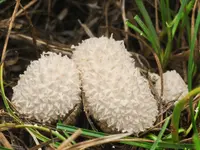
Meadow puffball, Lycoperdon pratense, is a small terrestrial puffball fungus that appears as rounded, whitish to buff balls sitting on or just above the soil surface. As it matures, the outer skin dries and splits, releasing brown spores in a small cloud when pressed.

This species typically grows in grasslands, meadows, and open pastures, often in short turf or lightly managed lawns. It usually fruits in scattered groups, blending in with dry grass and soil.

It is considered a relatively undemanding fungus in suitable conditions but is not easily managed like a typical garden plant. To care for Meadow Puffball, conditions should mimic its natural habitat, with open light, undisturbed soil, and stable, moderate moisture.

Main Plant Requirements

Care Difficulty

Moderate Care

Light Preference

Partial Shade

Water Requirements

Moderate Water

Temperature Preference

Cool Climate

Hardiness Zone

4–8

Soil Texture

Loamy, Sandy, Organic-rich

Soil pH

Acidic (5.5–6.5), Slightly acidic (6.5–7.0)

Soil Drainage

Moist but well-drained

Fertilization

Minimal (feed rarely)

Get Personalized Care Plan

Scan your plant to receive care tips personalized for your specific plant

Available on iOS and Android

How to Care for the Meadow Puffball

This grassland fungus prefers open sites with consistent light rather than deep shade.

  • Provide full sun to light partial shade, ideally 6–8 hours of direct sun, with some protection from harsh late-afternoon summer sun.
  • Meadow Puffball typically fruits best in short turf or open meadows where light reaches the soil surface without heavy leaf litter.
  • In dense shade it may fruit poorly or not at all, while prolonged intense, dry sun exposure can dry out the substrate and reduce fruiting.

This puffball relies on evenly moist, not saturated, soil to develop healthy fruiting bodies.

  • Aim for soil that dries slightly in the top 2–3 cm between rains or irrigations, but remains lightly moist below the surface.
  • Use well-drained, loamy soil; standing water, puddling, or a sour smell indicate poor drainage and increase rot risk for Lycoperdon pratense mycelium.
  • In dry, hot periods, supplement natural rainfall so the soil does not become dusty or hard-crusted, but avoid frequent shallow sprinkling that leaves the surface briefly wet then dry.

This species is adapted to temperate climates with moderate seasonal variation.

  • Optimal fruiting usually occurs around 55–70°F (13–21°C), typical of cool to mild spring or autumn conditions in temperate grasslands.
  • Mycelium in soil can tolerate down to about 25–30°F (-4 to -1°C), but hard, prolonged freezes may reduce survival or delay fruiting.
  • Sustained heat above 80–85°F (27–29°C) combined with dry conditions often suppresses fruiting, so peak activity shifts to cooler, moister seasons.

Humidity is not a significant factor for Lycoperdon pratense, which thrives in typical outdoor air conditions.

Lycoperdon pratense prefers open, mineral soils that stay evenly moist yet drain freely.

  • Aim for a sandy or sandy-loam texture with low to moderate organic matter, mimicking short-grass meadow or pasture soils.
  • Ensure rapid drainage; avoid compacted, waterlogged, or heavy clay sites that hold standing water after rain.
  • A slightly acidic to neutral pH around 6.0–7.0 supports fruiting in many grassland situations.
  • To improve aeration and drainage, incorporate sharp sand or fine gravel into denser soils rather than adding high-peat compost.

This species is generally unsuitable for long-term container growing because it relies on complex soil and grassland interactions in the ground.

This wild fungus typically needs no fertilizer when growing in natural soil with leaf litter.

Pruning is not used as a management practice for Lycoperdon pratense, since the fruiting body is temporary and short-lived.

Transplanting Meadow Puffball is rarely practical because the fungus relies on a hidden soil mycelium network.

  • Avoid disturbing sites where puffballs fruit; the visible balls are only the reproductive structures, not the main organism.
  • Do not attempt frequent transplanting; the mycelium is sensitive to disturbance and may fail to reestablish.
  • If moving soil for research or conservation, lift a wide, deep plug with minimal breakage and keep it evenly moist.
  • Time any soil relocation for cool, moist weather to reduce desiccation stress on the underground mycelium.

Propagation of Lycoperdon pratense is usually left to natural spore dispersal rather than managed by gardeners.

No specific winter care is required, as the fungus survives as mycelium in the soil between seasons.

Care Tips

Spore-friendly mowing

When fruiting bodies appear in turf, delay mowing that patch for 3–5 days so the puffballs can fully mature and release spores, then mow normally to help spread them through the lawn.

Low-impact foot traffic

Mark and avoid repeatedly walking over known fruiting spots during wet periods, since compacted soil and crushed mycelium sharply reduce future Meadow Puffball production.

Grass height management

Maintain surrounding grass at a moderate height of about 6–8 cm so the puffballs are visible and less likely to be damaged by routine mowing or recreational use.

Organic matter layering

Once a year in late fall or early spring, top-dress the area where puffballs fruit with a very thin (0.5–1 cm) layer of fine compost or screened leaf mold to slowly feed the underlying mycelium without smothering it.

Mapped fruiting zones

Keep simple notes or a sketch map of recurring fruiting locations and timing, then adjust irrigation, mowing patterns, and lawn use in those micro-areas to support more reliable and predictable growing Meadow Puffball clusters over time.

Common Pests and Diseases

parasitic fungi

This disease occurs when competing fungi colonize the puffball surface or interior, leading to discoloration, deformation, or early decay of the fruiting body. Symptoms include patches of different-colored mycelium, soft spots, or rapid collapse.

Solution

Cut away and discard any fruiting bodies that show foreign fungal growth, and avoid handling or spreading spores from affected specimens; when trying to grow Lycoperdon pratense, maintain moderate airflow, avoid overcrowding, and keep the substrate clean and free from moldy organic debris to limit contamination.

fungus gnat larvae

These insects can infest the moist substrate around developing puffballs, and their larvae feed on organic matter and tender fungal tissue. Symptoms include slowed fruiting, small misshapen puffballs, and visible small white larvae in the substrate.

Solution

Reduce excess moisture, improve drainage, and allow the upper layer of the substrate to dry slightly between waterings; remove heavily infested substrate, use fine mesh or sticky traps for adults, and, if needed, apply a targeted biological larvicide containing Bacillus thuringiensis israelensis to the substrate surface.

slugs and snails

This pest group is attracted to soft puffball tissue and can cause gouged areas, ragged holes, and rapid destruction of young fruiting bodies. Symptoms include slime trails on or near the fungus and missing chunks of tissue.

Solution

Hand-remove slugs and snails around the fruiting area, use physical barriers such as copper tape or coarse grit around cultivation beds, and trap them with shallow dishes of beer or yeast solution placed near but not touching the puffballs.

bacterial soft rot

This disease develops under overly wet, stagnant conditions and leads to water-soaked, foul-smelling, and mushy puffball tissue. Symptoms include rapid collapse of the fruiting body and a slimy, often discolored interior.

Solution

Promptly remove and discard any affected puffballs and avoid letting water pool around the fruiting zone; improve drainage, reduce overhead watering, and increase ventilation around the growing site to keep surfaces only lightly moist instead of saturated.

maggot infestation

These insects are typically fly larvae that tunnel into the puffball, feeding on the interior and causing browning, hollowing, and premature breakdown. Symptoms include small entry holes on the surface and soft, disintegrating internal tissue with visible larvae.

Solution

Harvest puffballs promptly when mature but still firm, inspect for surface punctures, and remove and discard any infested specimens; use fine mesh covers over outdoor or cultivated patches to limit egg-laying, and avoid leaving damaged or overripe puffballs on site to reduce local fly populations.

Interesting Facts

Grassland puffball specialist

This puffball typically fruits in dry, short-turf grasslands, lawns, and pastures, often in nutrient-poor or moderately grazed sites rather than in forests like many other puffballs.

Distinctive rooting base

Mature fruiting bodies often have a slightly rooting, tapered base embedded in the soil, which helps anchor the puffball in open, wind-exposed habitats.

Spore dispersal by impact

When the outer skin cracks at maturity, raindrops, footsteps, or grazing animals striking the puffball force out brown spores through an apical opening, a simple pressure-based dispersal mechanism typical of true puffballs but well developed in this species.

FAQs about Meadow Puffball

Young, firm specimens are generally considered edible, but only when pure white inside and correctly identified, as some poisonous fungi look similar. Never eat any wild mushroom unless confirmed by an experienced mycologist or local extension service.

Grow Healthy Plants with Botan Care

Keep your plants happy and healthy with plant identification, disease detection, and easy care guidance.

Botan plant care app — identify plants on mobile

Explore More Plants