Guepiniopsis buccina Care

Guepiniopsis buccina

About Guepiniopsis buccina

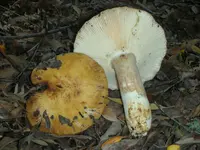
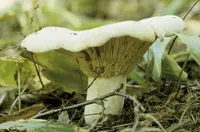
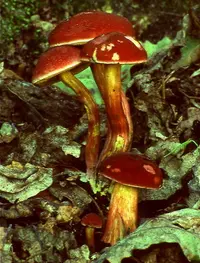
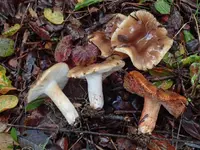
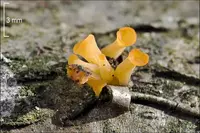
Guepiniopsis buccina is a small jelly fungus, not a leafy plant, known for its bright yellow to orange, trumpet-shaped fruiting bodies with a gelatinous texture. It typically appears on decaying conifer wood, especially in cool, moist forests of North America and Europe.

This species is saprophytic, meaning it feeds on dead wood and helps break it down, so it does not grow in pots or garden beds like ornamentals. It is considered difficult to cultivate intentionally because it depends on specific wood and moisture conditions. For most people, the practical way to care for Guepiniopsis buccina is simply to preserve its natural habitat and avoid removing the dead wood it grows on.

Main Plant Requirements

Care Difficulty

Moderate Care

Light Preference

Partial Shade

Water Requirements

Keep Soil Moist

Temperature Preference

Cool Climate

Hardiness Zone

Unknown

Soil Texture

Organic-rich, Loamy

Soil pH

Acidic (5.5–6.5)

Soil Drainage

Moist but well-drained

Fertilization

Minimal (feed rarely)

Get Personalized Care Plan

Scan your plant to receive care tips personalized for your specific plant

Available on iOS and Android

How to Care for the Guepiniopsis buccina

This jelly fungus develops best in cool, moist woodlands with low to moderate light rather than open sun.

  • Provide dappled or filtered light under shrubs or trees, similar to a forest floor, with no more than 2–3 hours of gentle morning sun per day.
  • Avoid strong midday and afternoon sun, which can dry out substrates and cause fruiting bodies to shrivel or fail to appear.
  • Accepts deep shade, but fruiting of Guepiniopsis buccina is typically more reliable in bright shade with indirect sky light, especially in spring and fall.

Moisture for this wood-inhabiting fungus is managed through substrate dampness rather than direct watering of the fruiting bodies.

  • Keep the woody substrate consistently moist but not waterlogged; the surface should feel damp to the touch without standing water or sour smell.
  • Allow the outer 2–5 mm of decaying wood or mulch to start feeling just slightly dry before re-wetting, using gentle soaking instead of heavy overhead spraying.
  • Reduce soaking frequency in cooler months but prevent complete drying; lack of moisture leads to shriveled or absent fruiting, while persistent sogginess encourages competing molds on Guepiniopsis buccina.

This species favors cool to mild conditions and is sensitive to both hard frost and intense, prolonged heat.

  • Optimal fruiting occurs around 45–65°F (7–18°C), with growth often most active in cool, moist seasons such as early spring and fall.
  • Tolerates brief drops near 32°F (0°C), but repeated hard frosts below 28°F (-2°C) can damage or halt visible fruiting structures.
  • Sustained temperatures above about 77–82°F (25–28°C), especially when combined with dry air and sun, reduce moisture in the substrate and may suspend growing Guepiniopsis buccina until cooler, wetter conditions return.

This wood-inhabiting jelly fungus is not humidity-sensitive for cultivation and usually needs no special air-moisture management.

For Guepiniopsis buccina, focus on recreating its natural habitat on decaying wood rather than typical garden soil.

  • Use well-aerated, very loose, organic material such as thoroughly rotted hardwood chips, shredded bark, and decomposing logs instead of mineral soil.
  • Ensure the substrate drains freely yet stays evenly moist by mixing coarse wood chips with a smaller portion of leaf litter or composted bark.
  • Keep the medium slightly acidic to neutral, around pH 5.5–7.0, which matches typical decaying hardwood conditions.
  • Avoid compacted, clay-heavy, or waterlogged ground, which prevents air penetration and slows the wood-decay process needed for fruiting.

This species is not well suited to conventional container growing, since it depends on decomposing wood rather than potting media.

This wood-inhabiting jelly fungus usually grows on nutrient-rich dead conifer wood and does not need additional fertilizer in cultivation.

As a decomposer fungus, Guepiniopsis buccina does not require pruning in the usual horticultural sense.

This species is typically grown on logs or sterilized wood substrates rather than in conventional pots, so focus is on renewing its substrate, not repotting.

  • Replace the colonized wood when fruiting declines noticeably or the substrate becomes overly degraded or contaminated.
  • Carry out any transfer in cool, stable conditions to reduce stress and contamination risk for the mycelium.
  • Move small colonized pieces to fresh, clean conifer wood with similar moisture levels to encourage renewed growth.
  • Handle the substrate gently to avoid breaking apart the mycelium network, which slows recolonization.

Propagation of this jelly fungus is mostly of specialist interest and is usually done via mycelium culture rather than home methods.

In natural settings Guepiniopsis buccina withstands cool, moist conditions and usually needs no specific winter care outdoors.

Care Tips

Retain Natural Substrate

When collecting for observation, keep fruiting bodies on a small piece of the original decaying wood so the existing mycelium network continues to feed and support new growth.

Avoid Handling Damage

Use a small knife or tweezers instead of fingers to examine or move the jelly-like cups, since skin oils and pressure easily bruise and deform their delicate tissue.

Use Ventilated Containers

If storing short-term for study, place samples in a ventilated plastic box with a moist (not wet) paper towel to maintain humidity without causing bacterial rot.

Monitor Wood Moisture

Periodically check the host wood and lightly mist only the wood surface, not the fruiting bodies directly, to reduce physical damage and discourage mold growth.

Document Microhabitat

When studying or caring for Guepiniopsis buccina in culture, record details such as wood type, exposure, and surrounding vegetation to better replicate its natural microhabitat conditions.

Common Pests and Diseases

Competing wood-decay fungi

This disease involves other wood-decay fungi colonizing the same dead conifer wood and outcompeting the existing jelly fruitbodies. Symptoms include shrinking or disappearing clusters of orange clubs, often replaced by crusts, brackets, or other fruiting bodies.

Solution

Remove and discard sections of wood that are heavily colonized by other fungi and, if you wish to continue growing Guepiniopsis buccina, provide fresh, clean conifer wood with similar moisture and shade conditions nearby. Avoid moving unknown colonized logs into the area to limit introduction of aggressive competitor fungi.

Moldy overgrowth

This disease appears as white, gray, or sometimes greenish surface molds covering or matting the jelly clubs, especially in very wet, stagnant air. Symptoms include dull color, loss of translucence, and soft, collapsing tissue.

Solution

Improve air movement around the log, reduce constant surface wetting, and remove heavily overgrown or decomposed fruitbodies. Where possible, space logs slightly apart and avoid plastic coverings that trap humidity, which supports balanced moisture without persistent surface condensation.

Wood-boring beetle larvae

These insects tunnel through the supporting dead conifer wood, changing its internal structure and moisture pattern. Symptoms include fine wood dust, small exit holes, and gradual drying or crumbling of the substrate that normally supports fruiting.

Solution

Move highly infested logs away from the main growing area and replace them with sound, undecayed conifer wood of similar size and orientation. Store logs off bare soil and in moderate shade to discourage some beetle species, and avoid stacking in large, dense piles that favor hidden larval development.

Slugs and snails

These pests feed on the soft jelly tissue, especially in damp, shaded sites, leaving ragged or missing tips and slime trails on and around the fruitbodies. Symptoms include uneven, chewed surfaces and sudden overnight loss of small clubs.

Solution

Hand-pick slugs and snails during damp evenings or early mornings and reduce nearby hiding spots such as dense ground litter in direct contact with logs. Physical barriers like copper tape on support structures or carefully placed coarse grit around key display areas can limit access without affecting the wood where the fungus grows.

Interesting Facts

Trumpet-shaped jelly cups

This species forms small, trumpet- or horn-shaped fruiting bodies with a gelatinous texture and bright orange to yellow color, growing singly or in small groups on dead conifer wood.

Cold season fruiting

It commonly fruits in cool, wet conditions and may appear during late fall, winter, or early spring in mild climates, when many other fungi are absent.

Gelatinous structure function

The jelly-like tissue helps the fruiting bodies resist freezing and drying, allowing them to rehydrate and resume spore dispersal after periods of cold or desiccation, an important aspect of Guepiniopsis buccina care instructions for natural populations in temperate forests.

Botan icon

Did you know?

The species often appears on well-decayed conifer branches and bark that remain attached to trees or shrubs, contributing to the late stages of wood decomposition in coniferous and mixed forests.

FAQs about Guepiniopsis buccina

This jelly fungus is not considered a choice edible. It is small, thin, and mostly gelatinous tissue with little flavor or texture value. Identification can be difficult, so consumption is not recommended for non-experts.

Grow Healthy Plants with Botan Care

Keep your plants happy and healthy with plant identification, disease detection, and easy care guidance.

Botan plant care app — identify plants on mobile

Explore More Plants