Trametes pubescens Care

Trametes pubescens

About Trametes pubescens

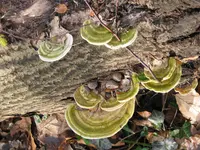
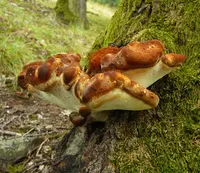
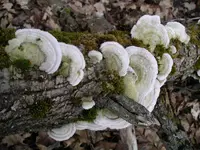
Trametes pubescens is a small bracket fungus, not a traditional leafy plant. It forms thin, semicircular caps that overlap in tiered shelves on dead hardwood. The surface is usually white to pale cream with fine hairs and faint zoning, while the underside has tiny, round pores.

This species is native to temperate forests in Europe, Asia, and North America, where it acts as a wood-decaying saprobe and contributes to nutrient cycling. It is not grown as a typical ornamental, and attempts to grow Trametes pubescens at home require consistently moist wood, good air flow, and cool, shaded conditions. For anyone trying to care for Trametes pubescens, the key challenge is maintaining stable humidity and a suitable dead-wood substrate rather than soil.

Main Plant Requirements

Care Difficulty

Moderate Care

Light Preference

Partial Shade

Water Requirements

Keep Soil Moist

Temperature Preference

Cool Climate

Hardiness Zone

Unknown

Soil Texture

Loamy, Organic-rich

Soil pH

Acidic (5.5–6.5), Slightly acidic (6.5–7.0)

Soil Drainage

Moist but well-drained

Fertilization

Minimal (feed rarely)

Get Personalized Care Plan

Scan your plant to receive care tips personalized for your specific plant

Available on iOS and Android

How to Care for the Trametes pubescens

This bracket fungus prefers low, indirect light typical of shaded woodland conditions.

  • Provide dappled or filtered light comparable to a north-facing edge or understory shade, with no more than 1–2 hours of weak morning sun.
  • Avoid direct midday or afternoon sun, which can dry the substrate and slow growth, especially in exposed sites or on thin logs.
  • In summer, ensure stable shade from trees or structures; in winter, reduced day length is acceptable as long as surfaces do not desiccate completely.

Moisture management focuses on keeping the woody substrate evenly damp but not waterlogged.

  • Allow the outer 0.5–1 cm of logs or attached wood to approach surface dryness before rewetting, rather than following a fixed schedule.
  • Soak or thoroughly hose the substrate until water just begins to run off, then let excess drain away to reduce the risk of anaerobic, foul-smelling decay.
  • In hot, dry periods, increase checks to daily; in cool, humid seasons, reduce interventions and watch for cracking or shrinkage as signs of insufficient moisture.

This fungus is adapted to temperate woodland climates and tolerates a moderate temperature range.

  • Aim for 50–75°F (10–24°C) during active growth, conditions commonly found in shaded, moist forest or sheltered garden sites.
  • It can survive down to about 23°F (-5°C) on hardy wood, but repeated hard frosts may slow or pause development until temperatures rise.
  • In hot weather above 82–86°F (28–30°C), protect colonized wood from direct sun and drying winds to prevent desiccation of fruiting bodies and underlying mycelium.

This wood-decay fungus does not depend on ambient humidity in the same way as foliage houseplants, as long as its woody substrate does not fully dry out.

In cultivation, aim to mimic decaying hardwood rather than typical garden soil for this saprophytic fungus.

  • Use a substrate based on hardwood sawdust or fine wood chips mixed with 10–30% wheat bran or similar nutrient supplement for structure and nutrition.
  • Ensure the mix is moist but never waterlogged; excess free water sharply reduces aeration and encourages bacterial problems.
  • Maintain a slightly acidic to neutral reaction around pH 5.5–7.0, which supports healthy mycelial growth.
  • Avoid dense, clay-based mineral soils or pure compost, which hold too much water, restrict gas exchange, and slow colonization.

This species is suitable for container cultivation only when grown on prepared logs or sawdust blocks rather than in conventional pots of soil.

  • Use a sturdy tray, tub, or bucket that can hold a log or compact sawdust block without flexing when saturated.
  • Drill or use existing side vents so the container allows gas exchange while still maintaining a consistently moist internal environment.
  • Elevate the container on slats or bricks to prevent standing water from pooling around the base and to keep the substrate surface from staying overly wet.

This wood-decaying fungus typically grows on nutrient-rich logs and needs no additional fertilization in natural or garden settings.

Pruning is generally unnecessary since this bracket fungus naturally sheds and renews its fruiting bodies on dead wood.

This species is usually established on dead hardwood and is not managed like a potted plant, so transplanting focuses on moving colonized wood rather than roots.

  • Move only fully colonized logs or branches, showing firm, attached fruiting brackets and extensive white mycelium inside the wood.
  • Transplant during cool, moist periods in spring or fall to reduce desiccation of exposed mycelium.
  • Cut fresh ends on the colonized log and tightly stack or strap it against new, uncolonized hardwood to encourage mycelial spread.
  • Keep the new log contact area shaded and evenly moist for several months to limit drying and stress to the fungal network.

Propagation of Trametes pubescens is normally done by spreading mycelium from existing colonized wood rather than by ornamental methods.

  • Use colonized hardwood as spawn, placing it in direct contact with fresh logs of compatible species such as birch or beech.
  • Carry out transfers in spring or fall when ambient temperatures are mild and humidity is higher.
  • Drill holes in fresh logs, insert small plugs or chips of colonized wood, and seal with wax to retain moisture.
  • Maintain shaded, consistently moist conditions around the inoculated logs to support mycelial growth and successful colonization.

This temperate bracket fungus is naturally cold hardy and usually needs no special winter care on outdoor logs.

Care Tips

Select proper substrate

Use fresh, fully sterilized hardwood sawdust or small-diameter beech, oak, or birch logs, since this species is a white-rot decomposer that performs best on clean, undecayed hardwood rather than softwood or old, colonized logs.

Control substrate moisture

After sterilization and inoculation, keep substrate moisture around 60–65% by weight and avoid waterlogging; a simple squeeze test (substrate clumps in the hand with only 1–2 drops expressed) helps maintain the correct range for reliable colonization.

Optimize log preparation

When using logs, cut dormant, healthy hardwood in late winter, rest it 2–4 weeks for natural antifungal compounds to decline, then drill inoculation holes in a tight grid (about every 10–15 cm) to give the mycelium short distances to colonize.

Encourage rapid colonization

After inoculation, incubate bags or logs in a shaded, wind-sheltered area at stable temperatures and protect them from direct rain splash, which reduces contamination risk and speeds the early phase of growing Trametes pubescens.

Monitor competing fungi

Inspect colonizing substrate regularly for off-color patches, strong off-odors, or different textured mycelium, and promptly remove or isolate suspect pieces to prevent aggressive competitor fungi from overrunning the culture.

Common Pests and Diseases

Insect larvae grazing

This pest uses the fungal fruiting bodies as a food source, leaving irregular pits, tunnels, or frass on the brackets. Symptoms include thinning, ragged edges, and localized discoloration of the pore surface.

Solution

Physically remove visible larvae and affected tissue, then keep collected Trametes pubescens in fine-mesh containers or jars to exclude further insect access. For outdoor cultivation logs, harvest brackets promptly at the desired stage and store them in insect-proof, well-ventilated conditions to limit further grazing.

Mite infestation

These insects are microscopic arthropods that can colonize dried or stored brackets, especially under warm, dusty conditions. Symptoms include fine powdery debris, fading colors, and gradual structural weakening of the fruiting bodies.

Solution

Inspect stored material regularly, discard heavily infested pieces, and clean storage containers thoroughly. Improve storage hygiene by using sealed, dry boxes with good airflow when opened, and consider briefly freezing dry specimens (24–48 hours) to interrupt mite populations as part of Trametes pubescens care instructions.

Green mold contamination

This disease is caused by competitor molds such as Trichoderma species that colonize the same woody substrate or culture medium. Symptoms include dense green patches on substrate or at the base of brackets and a slowdown or failure of new fruiting.

Solution

Remove and discard heavily contaminated substrates or sections and avoid reusing them. For cultivation, start with clean, freshly sterilized or pasteurized substrate, maintain good airflow and moderate humidity, and keep tools and work surfaces disinfected to reduce mold spore loads.

Bacterial soft rot

This disease develops when standing water or very high humidity persists around the fruiting bodies. Symptoms include localized wet, slimy spots, unpleasant odor, and rapid collapse of bracket tissue.

Solution

Cut away and discard rotting parts and improve air movement around the logs or culture area to let surfaces dry between misting cycles. Avoid overhead soaking, limit direct water contact with brackets, and maintain humidity at stable but not saturated levels to prevent recurrence when growing Trametes pubescens.

Interesting Facts

Pale zoned caps

This polypore forms thin, bracket-like fruiting bodies with pale cream to whitish caps that often show fine, concentric zoning and a distinctly velvety surface, especially when young. The texture and subtle color bands help distinguish it from more vividly banded Turkey tail relatives.

Strong hardwood preference

Trametes pubescens occurs mainly on dead hardwoods such as birch, beech, and willow, where it helps decompose cellulose and lignin in the outer parts of fallen trunks and branches. It is only rarely found on conifers, which aids identification in mixed forests.

Microscopic fingerprint

Under the microscope, this species shows small, almost round spores and a dimitic hyphal system, meaning it has two main hyphal types (generative and skeletal). The combination of spore shape, smooth hymenial surface, and velvety cap hairs is used by mycologists to separate it from closely related Trametes species.

FAQs about Trametes pubescens

This bracket fungus is considered inedible due to its very tough, woody texture, not because it is strongly toxic. It is sometimes used for research or traditional remedies but is not eaten as food.

Grow Healthy Plants with Botan Care

Keep your plants happy and healthy with plant identification, disease detection, and easy care guidance.

Botan plant care app — identify plants on mobile

Explore More Plants