Lumpy Bracket Care (Trametes gibbosa)

Lumpy Bracket

About Lumpy Bracket

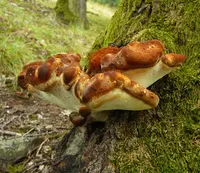
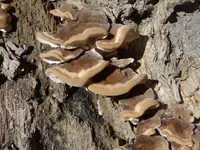
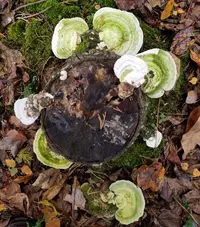
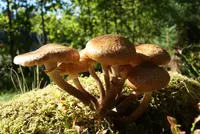
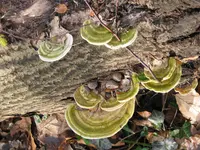
Lumpy bracket (Trametes gibbosa) is a saprophytic bracket fungus, not a leafy plant. It typically forms thick, semicircular shelves on dead or dying hardwood, especially beech. The upper surface is pale, often lumpy or humped, with concentric zones, while the underside has small pores. It grows in overlapping tiers that can cover large sections of a trunk or log.

This species is common in temperate woodlands across Europe and parts of North America. It plays an important role in breaking down wood and recycling nutrients. To care for Lumpy Bracket in cultivation, provide shaded, consistently moist conditions and well-decayed hardwood as a substrate rather than ordinary potting soil.

Main Plant Requirements

Care Difficulty

Easy Care

Light Preference

Partial Shade

Water Requirements

Regular Water

Temperature Preference

Cold Hardy

Hardiness Zone

4–10

Soil Texture

Loamy, Silty, Organic-rich

Soil pH

Acidic (5.5–6.5), Slightly acidic (6.5–7.0)

Soil Drainage

Moist but well-drained

Fertilization

Minimal (feed rarely)

Get Personalized Care Plan

Scan your plant to receive care tips personalized for your specific plant

Available on iOS and Android

How to Care for the Lumpy Bracket

This wood-decay fungus thrives in shaded woodland conditions with limited direct sun.

  • Provide bright shade or full shade under trees, with only brief dappled sun, especially in the morning hours.
  • Aim for no more than 1–2 hours of weak, low-angle sun per day; intense afternoon sun can dry the host wood and slow fruiting.
  • Lumpy Bracket forms best on logs or stumps in consistently shaded spots, such as north or east sides, where light levels stay low year-round.

This bracket fungus relies on moisture in its host wood and surrounding environment rather than direct watering.

  • Grow Trametes gibbosa on hardwood logs or stumps that are moist but not waterlogged; standing water around wood promotes rot of the substrate rather than healthy fungal growth.
  • Allow the surrounding soil surface to dry slightly between natural rains, but keep overall site humidity moderate to high through leaf litter and shade.
  • Signs of insufficient moisture include cracked, brittle brackets, while too much saturation leads to slimy, discolored tissue and rapid decay of the fruiting bodies.

This temperate woodland fungus is adapted to cool to mild outdoor conditions across much of the year.

  • Optimal active growth typically occurs around 50–70°F (10–21°C), with fruiting often most visible in cool, moist seasons.
  • It tolerates lows down to about 23°F (−5°C) in dormant stages, though repeated freeze–thaw cycles can damage exposed brackets.
  • Sustained heat above 82–86°F (28–30°C), especially when dry, can desiccate fruiting bodies, so shaded, humid microsites help buffer summer extremes.

This wood-decay fungus prefers consistently moist, humid conditions similar to a shaded, damp woodland.

  • Aim for 60–90% humidity, typical of sheltered outdoor spots or very humid microclimates.
  • Trametes gibbosa tolerates brief drier air but prolonged humidity below 50% slows growth and toughens fruiting bodies.
  • Watch for cracked, overly leathery brackets as a sign of low humidity stress in Lumpy Bracket and increase local moisture with regular log misting.

This bracket fungus does not grow in soil and instead colonizes dead or decaying broadleaf wood.

  • Provide hardwood logs or thick branches (beech is typical), avoiding live wood or treated timber with preservatives.
  • Ensure the wood stays moist but not submerged; partial burial in leaf litter helps retain moisture while allowing air exchange.
  • Keep the colonized wood in a shaded, wind-sheltered area to reduce drying and prevent desiccation of the fungal tissues.
  • Avoid compacted, waterlogged ground around the wood so air can move freely and surface mycelium is not smothered.

This species is not well suited to conventional container growing and is best established on outdoor hardwood logs or stumps.

This wood-decay fungus grows on nutrient-rich timber and does not need added fertilizer, even when observing Lumpy Bracket on logs in gardens.

Pruning is not applicable to bracket fungi like Trametes gibbosa because the visible brackets are fruiting bodies on dead or decaying wood.

This species is a wood-inhabiting fungus, so care focuses on relocating colonized wood rather than repotting.

  • Transplant only by moving the colonized log or stump, since the fungus lives inside the wood, not in soil or a pot.
  • Choose cool, moist weather for any relocation to reduce drying of the mycelium, the main fungal body.
  • Avoid cutting or breaking the wood excessively, which can interrupt internal fungal growth and reduce future bracket formation.
  • After moving, keep the wood in a shaded, humid spot to limit stress on the fungal colony.

Propagation of this bracket fungus is typically left to natural spore dispersal and is not a routine horticultural practice.

Trametes gibbosa is cold hardy in temperate climates and usually needs no special winter care once established on wood.

Care Tips

Use fresh hardwood

Inoculate only freshly cut, healthy hardwood logs or stumps, ideally 2–4 weeks after felling, to give the fungus a strong competitive advantage over wild microbes when growing Lumpy Bracket.

Seal inoculation points

After inserting dowel plugs or spawn into drilled holes, seal each point with food-grade wax to reduce moisture loss and block contamination by other fungi.

Optimize log placement

Stand or lean colonized logs in a shaded, rain-exposed area off bare soil on bricks or pallets to maintain moisture while reducing contact with competing soil fungi.

Moisture shock for fruiting

Once logs are fully colonized, soak them in clean, cool water for 12–24 hours, then stand them upright in a humid, shaded spot to trigger more reliable fruiting flushes.

Monitor competing fungi

Inspect logs regularly and remove visible fruiting bodies of other fungi with a clean knife, discarding them away from the site, to keep the culture as close to a single species as possible when caring for Lumpy Bracket.

Common Pests and Diseases

wood-boring beetles

These insects use the dead hardwood that hosts the fungus, tunneling in the same logs or trunks where the brackets grow and sometimes damaging or dislodging fruiting bodies. Symptoms include fine bore dust, small round exit holes, and fragile, crumbling brackets.

Solution

Remove and dispose of heavily beetle-infested wood to reduce local populations and protect nearby colonies, and store collected logs for cultivation off the ground in a dry, well-ventilated place. If valuable display logs are affected, you can physically remove larvae by cutting out heavily tunneled sections or replacing the substrate with fresh, sound hardwood.

fungus gnats

These insects are attracted to moist, decaying wood and fungal tissue, and their larvae may feed around the base of developing brackets. Symptoms include small black flies hovering near logs and tiny larvae or slime trails on very damp surfaces.

Solution

Reduce excess moisture by improving drainage and airflow around cultivation logs, avoiding waterlogged conditions. Sticky traps can lower adult numbers, and rotating or elevating logs on bricks or racks helps the surface dry slightly between waterings while still staying humid enough for fruiting.

competing bracket fungi

This disease complex arises when other wood-decay fungi colonize the same log, leading to mixed fruiting bodies and competition for nutrients. Symptoms include brackets of different colors or textures emerging from the same substrate, often crowding or overlapping the desired species.

Solution

When growing Lumpy Bracket intentionally, start with fresh, uncolonized hardwood and use clean tools to limit contamination. If other fungi appear, cut away and discard the most heavily colonized wood sections and re-position the remaining sound parts of the log in a slightly drier, well-ventilated area to favor the existing, established colony.

mold contamination

This disease involves fast-growing molds such as Trichoderma or Penicillium covering parts of the log or the underside of brackets, especially under very damp, stagnant conditions. Symptoms include green, blue, or white fuzzy patches that spread quickly over the substrate or young fruiting bodies.

Solution

Increase air movement and reduce constant surface wetness by adjusting misting frequency or spacing logs farther apart. Gently scrape or cut off heavily contaminated tissue, discard it away from the site, and, for cultivation setups, consider briefly drying the surface between waterings to slow mold without fully drying the wood.

slugs and snails

These pests feed on soft fungal tissue, chewing holes in young brackets or consuming margins overnight. Symptoms include irregular bite marks, slime trails on wood, and missing sections of tender growth.

Solution

Hand-pick slugs and snails during the evening or early morning and remove sheltering debris, such as dense leaf litter, around the logs. Barriers like copper tape around raised platforms or coarse grit rings at the base of display pieces can reduce access to fruiting bodies without affecting the fungus itself.

Interesting Facts

Characteristic lumpy bracket

This species forms thick, semicircular brackets with a distinctly lumpy, humped upper surface that often develops concentric zoning as it ages, making it relatively easy to distinguish from other white polypores in the field.

Strong preference for beech

It is strongly associated with dead or dying beech wood in Europe and is much less common on other broadleaf hosts, so its presence can indicate long-standing beech woodland or old beech hedgerows.

Pale pores with radiating pattern

The underside shows crowded, pale pores that are slightly angular and often arranged in a subtle radial pattern pointing toward the point of attachment, a pore structure used by mycologists to separate it from similar bracket fungi.

Botan icon

Did you know?

Unlike many bracket fungi that are perennial, Trametes gibbosa forms annual fruiting bodies that typically appear in late summer to autumn, overwinter, and then deteriorate by the following growing season, so successive yearly tiers on a log represent separate generations rather than long-lived structures.

FAQs about Lumpy Bracket

This wood-decay fungus is best grown outdoors on hardwood logs or stumps, where it can colonize dead wood. Indoor cultivation is difficult without controlled sterile conditions, so outdoor mounting on suitable timber is usually more practical.

Grow Healthy Plants with Botan Care

Keep your plants happy and healthy with plant identification, disease detection, and easy care guidance.

Botan plant care app — identify plants on mobile

Explore More Plants