Gunnera monoica Care

Gunnera monoica

About Gunnera monoica

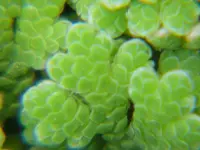
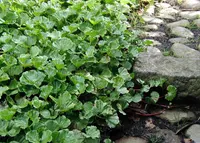
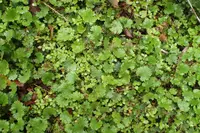
Gunnera monoica is a small, creeping, aquatic or semi-aquatic perennial from New Zealand, quite different from the giant ornamental Gunnera species. It forms low mats of rounded, scalloped leaves and fine, trailing stems that root as they spread, often edging streams, bogs, and wet ground. Tiny flowers appear close to the foliage and are more interesting botanically than showy in a garden sense.

This species suits specialized water or bog gardens where constant moisture and cool, mild conditions are available. It is sensitive to drying out and heat, which makes how to care for Gunnera monoica more demanding than many common garden plants. It prefers consistently damp, humus-rich soil and shelter from strong sun and wind.

Main Plant Requirements

Care Difficulty

Hard Care

Light Preference

Partial Shade

Water Requirements

Aquatic

Temperature Preference

Cool Climate

Hardiness Zone

8–10

Soil Texture

Loamy, Silty, Organic-rich

Soil pH

Acidic (5.5–6.5), Slightly acidic (6.5–7.0)

Soil Drainage

Waterlogged tolerant

Fertilization

Minimal (feed rarely)

Get Personalized Care Plan

Scan your plant to receive care tips personalized for your specific plant

Available on iOS and Android

How to Care for the Gunnera monoica

This small bog plant needs bright conditions with protection from harsh midday sun.

  • Provide 3–5 hours of direct morning sun with bright, filtered light or light shade for the rest of the day, especially in warmer regions.
  • Tolerates partial shade, but in deep shade stems elongate, foliage thins, and Gunnera monoica may flower less.
  • In summer, shield from strong afternoon sun to prevent leaf scorch; in cooler months, allow a bit more direct light to support compact growth.

This species prefers constantly moist conditions and does not tolerate drying out.

  • Aim for evenly wet soil, similar to a bog edge; let only the top 1–2 cm feel just moist, never fully dry, before watering again.
  • Use rich, organic soil that holds moisture yet still drains slowly, avoiding stagnant water that can cause root rot and sour smells.
  • In hotter months, increase watering so the surface never crusts or pulls from the edges; in cooler seasons, reduce volume but maintain steady moisture.

This cool- to mild-climate bog plant prefers moderate temperatures and protection from extremes.

  • Optimal growth occurs around 50–70°F (10–21°C), with steady moisture and shelter from drying winds.
  • Tolerates brief dips to about 25–28°F (-4 to -2°C) if crowns are mulched, but repeated hard freezes can damage or kill buds.
  • Handles summer highs up to about 80–86°F (27–30°C) if soil stays saturated and roots are shaded; above this, leaves may wilt or scorch.

This species needs very high, consistently moist air to thrive and avoid leaf scorch.

  • Aim for 70–90% humidity, especially in warm weather or windy positions near water features.
  • Dry air causes browning leaf edges, limp foliage, and faster soil drying, even when the root zone stays wet.
  • Increase humidity with nearby ponds or bog gardens, grouped plantings, and wind protection rather than fine misting.

Gunnera monoica prefers permanently moist, organic-rich soil that never fully dries out.

  • Use deep loamy soil with high organic matter, such as garden loam blended with large amounts of compost or well-rotted manure.
  • Ensure slow but constant drainage; the soil should be saturated and spongy, not waterlogged and anaerobic for long periods.
  • Target slightly acidic to neutral pH around 6.0–7.0 to keep nutrients available and growth steady.
  • Avoid compacted clay, pure sand, or gravelly mixes; improve structure with coarse compost, leaf mold, and some fine bark to balance moisture and aeration.

This plant is generally unsuitable for long-term container growing except as a temporary nursery stage for very young plants.

  • If temporarily potted, choose a very wide, deep container that allows shallow, spreading roots to explore a broad, consistently moist zone.
  • Use a heavy, stable pot to prevent tipping as foliage expands and catches wind in exposed outdoor positions.
  • Set the container inside a larger, watertight outer tub to create a mini bog, keeping the inner pot base sitting in 2–5 cm of water.

This moisture-loving perennial benefits from modest, steady nutrition rather than heavy feeding.

  • Use a balanced slow-release fertilizer (around 10-10-10) or well-rotted compost at the start of spring growth for Gunnera monoica.
  • Apply a light dose every 6–8 weeks through the active growing season if soil is poor.
  • Reduce or stop feeding in fall and winter when growth slows or plants die back.
  • Dilute liquid fertilizers to 1/2 strength and apply to moist soil to prevent root burn.

Pruning is mainly hygienic and structural, aimed at keeping clumps healthy and accessible.

  • In late winter or early spring, remove dead, damaged, or decayed foliage before new growth emerges on Gunnera monoica.
  • During the growing season, trim away yellowing or rotting leaves to improve air flow and reduce fungal issues.
  • Thin crowded shoots at the clump edge only if space is limited, keeping a natural outline.
  • Use clean, sharp hand pruners or scissors, disinfecting blades if cutting diseased tissue.

This species is usually grown in the ground or boggy beds, so focus on careful transplanting rather than frequent repotting.

  • Transplant in early spring or early fall when temperatures are mild and soil is moist but not waterlogged.
  • Look for signs like slow growth, crowded clumps, or roots exposed at the soil surface before moving Gunnera monoica.
  • Lift plants with a wide soil root ball, disturb roots as little as possible, and replant at the same depth.
  • Water thoroughly after transplanting and shade from strong sun for 7–10 days to limit transplant shock.

Propagation is typically done from seed or by careful division of established clumps.

  • Sow fresh seed in late winter–spring on the surface of moist, fine-textured mix; keep at 60–70°F with constant moisture.
  • For division, split healthy clumps in early spring, ensuring each section has viable buds and roots.
  • Replant divisions into permanently moist, humus-rich soil and water well to settle air pockets.
  • Provide bright, indirect light and shelter from strong wind while new roots establish.

In mild, frost-free climates this plant needs little winter attention, but colder sites require some protection.

  • Gunnera monoica tolerates light frost but can be damaged by hard freezes below about 25°F, especially in exposed spots.
  • In colder areas, apply a 5–8 cm layer of mulch over the root zone in late fall, keeping crowns just uncovered.
  • For container plants, move pots to an unheated but frost-free space or against a sheltered wall during freeze events.

Care Tips

Shallow water edge

Plant rhizomes where soil stays consistently wet but not submerged, such as the upper edge of a pond or bog garden, so roots access water while crowns avoid rot when growing Gunnera monoica.

Seasonal mulching

Apply a 5–8 cm layer of coarse organic mulch around, but not over, the crown each spring to stabilize moisture, buffer soil temperature, and reduce weed competition in this shallow-rooted species.

Rhizome division timing

Divide clumps only in early spring, replanting firm, healthy rhizome pieces immediately at the same depth to prevent desiccation and transplant shock.

Flood and drought checks

In water-adjacent plantings, inspect after heavy rain or dry, windy periods to ensure crowns have not become submerged or exposed, and adjust soil or bank height as needed.

Slug and snail barriers

Use physical barriers such as copper tape on nearby edging or rough mineral grit in a narrow band around plant bases to limit slug and snail damage to new leaves without resorting to broad-spectrum pesticides.

Common Pests and Diseases

Slugs and snails

This pest group is strongly attracted to the tender, moisture-loving foliage and can rapidly skeletonize young leaves along pond margins or in boggy beds. Symptoms include irregular holes, shredded leaf edges, and slime trails on and around the plant.

Solution

Hand-pick at dusk or early morning, use beer traps or iron phosphate pellets around clumps, and keep dense debris slightly reduced near crowns while still maintaining moisture. In containers or small beds, copper tape barriers and elevating pots on stands can significantly reduce damage when growing Gunnera monoica in very wet sites.

Crown rot (water mold)

This disease develops in constantly waterlogged, poorly aerated soil where the crown stays submerged or buried in heavy muck. Symptoms include browning and collapse of new shoots, a soft mushy crown, and a sour smell at the base of the plant.

Solution

Improve drainage by raising the planting area slightly, using coarse organic matter and grit, and avoiding complete submersion of the crown. Remove and discard all soft, decayed tissue, reduce irrigation so the crown is just moist rather than submerged, and, in high-value plantings, drench the area with a labeled phosphonate fungicide to suppress water molds.

Leaf spot

This disease appears on foliage as small water-soaked lesions that enlarge into tan or dark brown spots, sometimes with a yellow halo, especially during warm, humid weather. Symptoms include cosmetic spotting, premature yellowing, and occasional dieback of the most affected leaves.

Solution

Remove and discard spotted leaves to reduce inoculum, avoid overhead watering, and space plants so air can move freely between clumps. In repeatedly affected sites, apply a copper-based or chlorothalonil fungicide labeled for ornamental foliage plants at the first sign of spotting, especially during extended warm, wet periods.

Aphids

These insects feed on the undersides of young leaves and flowering stems, sucking sap and causing distortion, sticky honeydew, and occasional sooty mold growth. This pest is usually more noticeable on new seasonal growth and in sheltered, low-airflow positions near water.

Solution

Spray colonies off with a firm stream of water, repeat every few days, and pinch off heavily infested shoot tips. For persistent populations, use insecticidal soap or a light horticultural oil, ensuring thorough coverage of leaf undersides while treating in the early morning or evening to avoid leaf burn.

Spider mites

These insects prefer hot, dry microclimates at the edge of bog gardens or in containers where humidity is lower, causing fine stippling, dulling of leaf color, and very fine webbing. Symptoms include a dusty appearance on leaves and gradual loss of vigor if populations are high.

Solution

Increase humidity around the plant by keeping soil evenly moist and occasionally hosing foliage to physically remove mites. If damage continues, use insecticidal soap or a light horticultural oil, repeating at 5–7 day intervals, and avoid placing plants in hot, reflective positions that favor mite buildup.

Interesting Facts

Tiny aquatic rosettes

This species forms miniature leaf rosettes only a few millimeters wide that float on or just below the water surface, unlike the huge leaves of its better-known Gunnera relatives.

New Zealand endemic

Gunnera monoica is naturally restricted to New Zealand, where it grows in cool, clean, slow-moving streams, seepages, and wet depressions, often in partially shaded forested habitats.

Specialized wetland niches

The plant often occupies shallow, seasonally fluctuating water margins, tolerating periodic submersion and exposure that many other wetland herbs cannot handle.

Botan icon

Did you know?

Despite belonging to a genus famous for some of the largest leaves in the plant kingdom, this species is among the smallest Gunnera, creating mats of tiny aquatic rosettes that can be overlooked without close inspection.

FAQs about Gunnera monoica

Growth is relatively slow. Small clumps often take several seasons to establish before spreading more noticeably. Rate depends on constant moisture, cool conditions, and rich organic substrate. Poor drainage, warmth, or nutrient-poor sites reduce growth significantly.

Grow Healthy Plants with Botan Care

Keep your plants happy and healthy with plant identification, disease detection, and easy care guidance.

Botan plant care app — identify plants on mobile

Explore More Plants