Shallow Water Zoning
Place containers or plantings in 5–15 cm of standing water and adjust depth seasonally, keeping crowns just above the waterline to prevent rot yet allow vigorous regrowth.


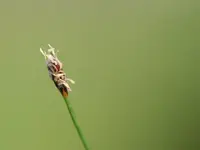
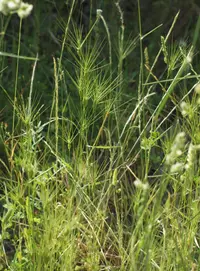
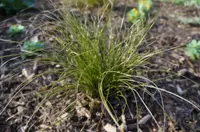
Wood club-rush, Scirpus sylvaticus, is a moisture-loving perennial sedge-like plant typically found along streams, pond edges, ditches, and wet meadows. It forms loose clumps with upright, triangular stems and narrow leaves, topped by many-branched clusters of brownish spikelets. Native to much of Europe and parts of Asia, it often grows in cool to mild climates with consistently damp soils. The species spreads both by seed and creeping rhizomes, so it can naturalize quickly in suitable wet sites. In gardens, it suits wildlife ponds and naturalistic wetlands but needs space and steady moisture. Understanding how to care for wood club-rush starts with providing reliable water and avoiding dry, compacted ground.

Care Difficulty
Moderate Care

Light Preference
Partial Shade

Water Requirements
Aquatic

Temperature Preference
Cold Hardy

Hardiness Zone
4–8

Soil Texture
Loamy, Silty, Organic-rich

Soil pH
Acidic (5.5–6.5), Slightly acidic (6.5–7.0)

Soil Drainage
Waterlogged tolerant

Fertilization
Minimal (feed rarely)
Scan your plant to receive care tips personalized for your specific plant
Available on iOS and Android
This wetland species grows best with consistent, bright outdoor light and some protection from intense midday sun.
This wetland rush prefers constantly moist to saturated conditions rather than alternating wet and dry cycles.
This temperate-climate rush handles cool conditions well but grows fastest in mild to warm weather.
This semi-aquatic species needs consistently high humidity and very moist air to thrive.
This wetland sedge prefers permanently moist, organic-rich soil with minimal drainage.
This species can be grown in containers when the setup mimics a shallow, stable wetland edge.
This wetland perennial grows well in nutrient-rich soils and usually needs only light, targeted feeding.
Pruning Scirpus sylvaticus is mainly cosmetic and helps maintain tidy clumps in managed plantings.
This species is usually grown in the ground or ponds, so care focuses on dividing and transplanting mature clumps.
New plants are most often produced by division, though seed can also be used for Scirpus sylvaticus plant care projects.
This hardy wetland plant tolerates normal winters in most temperate regions and usually needs minimal attention.

Plant Health Check
Not sure what's wrong with your plant? Check your plant's health inside the app.
This species naturally forms loose stands in wet woodland edges, marshy clearings, and swampy ditches across much of Europe and western Asia, preferring cool, nutrient-rich, periodically flooded soils.
It spreads through short, thick rhizomes that create dense clumps rather than long, running colonies, which helps stabilize soft, silty substrates along streams and pond margins.
The dense, knee- to waist-high stems trap organic debris and provide shelter and egg-laying sites for many aquatic and semi-aquatic invertebrates, supporting food webs used by frogs, newts, and insectivorous birds.

In regions where it is abundant, wood club-rush is considered a characteristic species of certain swamp and fen plant communities, and vegetation ecologists use its presence and cover as an indicator of long-term waterlogging and nutrient-enriched, yet still relatively natural, wetland conditions.
This species spreads by creeping rhizomes and self-seeding, so it can become dominant in wet soil. In managed gardens, use root barriers, plant in containers sunk in the ground, and remove unwanted shoots regularly.
Keep your plants happy and healthy with plant identification, disease detection, and easy care guidance.