Gymnopus semihirtipes Care

Gymnopus semihirtipes

About Gymnopus semihirtipes

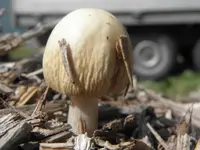
Gymnopus semihirtipes is a small saprotrophic mushroom that naturally breaks down leaf litter and woody debris in forests. It belongs to a large group of decomposer fungi that recycle nutrients in soil.

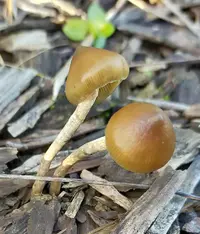
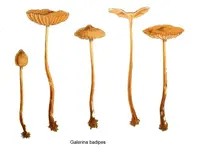
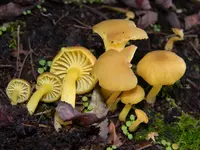
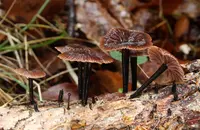
Fruiting bodies are typically slender, with thin stems and modest caps, often appearing in groups on damp forest floors. It is most often reported from temperate woodland habitats, especially in mixed or deciduous forests.

This species is not commonly grown intentionally, as it relies on specific decaying organic matter and natural forest humidity. For those studying fungi ecology rather than looking to care for Gymnopus semihirtipes as a houseplant, it is mainly of interest in its natural habitat.

Main Plant Requirements

Care Difficulty

Moderate Care

Light Preference

Partial Shade

Water Requirements

Keep Soil Moist

Temperature Preference

Cool Climate

Hardiness Zone

Unknown

Soil Texture

Loamy, Organic-rich, Peaty

Soil pH

Acidic (5.5–6.5)

Soil Drainage

Moist but well-drained

Fertilization

Minimal (feed rarely)

Get Personalized Care Plan

Scan your plant to receive care tips personalized for your specific plant

Available on iOS and Android

How to Care for the Gymnopus semihirtipes

This woodland fungus prefers low, filtered light similar to a shaded forest floor.

  • Aim for full shade to dappled light, with no more than 1–2 hours of weak morning sun and no direct afternoon sun on the fruiting area.
  • Site Gymnopus semihirtipes under trees, shrubs, or on the north side of structures so it receives indirect, scattered light all day.
  • Too much sun dries the substrate and mycelium, reducing fruiting, while deep, stable shade helps maintain moisture and consistent mushroom production.

Moist, never waterlogged substrate is essential for consistent fruiting.

  • Keep the substrate evenly damp; the top 1–2 cm should feel moist but not squishy when pressed between fingers.
  • Increase watering or misting during dry, windy, or hot periods, and reduce input during cool, humid weather to avoid standing water around the mycelium.
  • Signs of overwatering include sour odor and slimy patches; signs of underwatering include hard, crusted surface and sparse, small fruiting bodies in Gymnopus semihirtipes patches.

This species fruits best in cool to mild outdoor conditions typical of temperate forests.

  • Optimal fruiting occurs around 50–68°F (10–20°C), with mycelial growth continuing, though slower, slightly above and below this range.
  • Short exposures down to about 32°F (0°C) may be tolerated, but repeated hard frosts can damage fruiting bodies and delay new flushes.
  • Temperatures above 77–80°F (25–27°C) combined with dry air reduce mushroom size and frequency, so provide shade and moisture during hot spells to buffer heat stress.

This wood-inhabiting fungus tolerates a wide humidity range if its substrate stays evenly moist.

  • Aim for ambient humidity around 50–80% when fruiting, with consistently damp but not waterlogged wood or leaf litter.
  • It tolerates short drier spells, but caps may become smaller and edges crack when air stays below 40%.
  • Increase humidity by misting the substrate surface, using a humidity tent, or placing trays of damp leaf litter nearby while ensuring air movement to limit mold.

This saprophytic fungus prefers a wood-rich, loose substrate rather than standard potting soil.

  • Use a mix dominated by well-rotted hardwood chips, shredded leaf litter, and a small amount of peat or coco coir to retain moisture.
  • Keep the substrate loose and crumbly so air can move between particles, promoting mycelium respiration and preventing anaerobic, foul-smelling pockets.
  • Ensure fast drainage; excess water should run through freely, as prolonged saturation favors bacterial rot over healthy fungal growth.
  • Maintain a slightly acidic environment around pH 5.5–6.5, avoiding high-lime amendments that could slow growth of Gymnopus semihirtipes mycelium.

This species is suitable for experimental container cultivation on prepared woody substrates rather than typical potting mixes.

  • Choose a wide, shallow tub or tray to spread the woody substrate in a 5–10 cm layer, which balances moisture retention with aeration.
  • Drill multiple side and base holes so excess water drains quickly while still allowing gas exchange for the developing mycelium.
  • If using lightweight plastic, place the container inside a heavier outer vessel or crate to keep the moist, substrate-filled unit stable and upright.

This woodland saprotrophic fungus usually gains enough nutrition from decaying organic matter and rarely benefits from targeted feeding.

Active pruning is not applicable to Gymnopus semihirtipes, as it is a small saprotrophic mushroom rather than a traditional garden plant.

Cultivation in containers is uncommon; this fungus is best maintained by managing its natural substrate rather than repotting.

  • Refresh or top up leaf litter, wood chips, or other woody debris when decomposition is advanced and fruiting declines.
  • Avoid disturbing underlying mycelium; gently place new organic material on top instead of turning or digging the area.
  • If moving colonized substrate, transfer intact clumps with minimal breakage, keeping moisture levels stable during and after relocation.
  • Time any substrate relocation for cool, moist periods to reduce desiccation stress and support re-establishment.

Practical home propagation of this wild decomposer is unreliable and rarely attempted, so specific methods are not recommended for routine care.

In climates where it occurs naturally, this fungus is cold hardy and needs no special winter care beyond maintaining a stable woodland-like substrate.

Care Tips

Use hardwood blocks

For longer flushes, colonize small blocks of hardwood like beech or oak sawdust/woodchip mix, then partially bury them in a shaded, moist outdoor bed rich in leaf litter where the mycelium can bridge into natural debris.

Leaf litter management

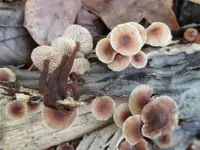
Add a thin layer of fresh, non-resinous deciduous leaves each autumn to outdoor beds, and lightly mix them into the top 2–3 cm of the substrate to maintain a continuous supply of decomposing material without smothering existing mycelium.

Moisture buffering layer

Top outdoor or container beds with a 1–2 cm layer of coarse leaf mulch or fine bark to reduce evaporation and keep the upper substrate evenly moist, but avoid thick layers that stay waterlogged and restrict air flow.

Gentle harvesting technique

Twist and lift mushrooms at the base rather than cutting high on the stem, then lightly backfill the small hole with surrounding leaf litter to reduce contamination points and protect the exposed mycelium network.

Monitor competitor fungi

Inspect beds regularly for dense mats or clusters of more aggressive fungi, and if they appear, carefully remove the affected substrate, replace it with fresh, pasteurized leaf/wood mix, and slightly increase air movement to favor the existing colony when caring for Gymnopus semihirtipes.

Common Pests and Diseases

Mycophagous springtails

These insects feed on fungal tissue and can graze caps and gills, leaving pitted, rough, or scarred surfaces on clusters of fruiting bodies. Symptoms include small surface holes, deformed young mushrooms, and reduced shelf life of collections.

Solution

Manage by keeping collected mushrooms in clean, well‑ventilated containers, removing heavily damaged fruiting bodies, and avoiding long storage in very damp, organic debris. In culture or cultivation settings, reduce excess moisture, discard infested substrates, and use fine-mesh covers around trays to exclude springtails while maintaining airflow when attempting growing Gymnopus semihirtipes.

Fungus gnat larvae

This pest lives in damp, organic substrates and feeds on developing mycelium and tiny primordia, which can result in poor or aborted fruiting and water-soaked lesions at the base of stems.

Solution

Control by reducing standing moisture in cultivation substrates, promptly removing spent or decomposing material, and using fine mesh or physical barriers around culture containers. In indoor culture, sticky traps for adults combined with improved air movement and careful watering help break the life cycle without chemical treatments.

Parasitic Hypomyces infection

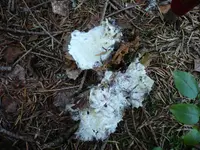
This disease is caused by parasitic fungi in the genus Hypomyces that overgrow mushroom caps and stems with a powdery or crust-like coating, sometimes distorting or halting normal fruiting body development.

Solution

Remove and discard all visibly infected fruiting bodies and any adjacent substrate to limit spread. Avoid mixing infected material with clean specimens, keep collection containers dry and uncrowded, and in culture conditions maintain good air exchange and promptly remove odd-colored or deformed mushrooms.

Bacterial blotch

This disease leads to greasy, water-soaked spots, slimy patches, or soft decay on caps and stems, especially under very humid and poorly ventilated conditions during storage or indoor culture.

Solution

Manage by lowering surface moisture on fruiting bodies, separating damp specimens, and improving air circulation during storage or cultivation. Clean tools and containers with hot water and mild disinfectant, and discard any mushrooms showing advanced soft rot to prevent spread to healthy specimens.

Mite infestation

These pests are tiny arthropods that crawl on caps, stems, and gills, creating fine pits and surface scarring and sometimes carrying spores or bacteria that further damage the fruiting bodies.

Solution

Inspect mushrooms and culture containers regularly and discard heavily infested material. In cultivation, use clean substrate, avoid contact with infested compost or soil, and employ tight-fitting lids or fine mesh over culture trays while maintaining ventilation to reduce mite entry and buildup.

Interesting Facts

Habitat on decaying wood

This species typically fruits on very decayed, often moss-covered wood or woody debris, rather than on fresh logs, which helps distinguish it from similar brown Gymnopus species that prefer less decomposed substrates.

Distinctive hairy stem

The specific name semihirtipes refers to its partly hairy stipe (stem), which shows fine hairs mainly toward the upper portion, a useful microscopic and macroscopic character for identification.

Small, pale brown caps

Its caps are relatively small, thin-fleshed, and pale to medium brown, often drying to a lighter color with a somewhat hygrophanous surface that changes appearance as it loses moisture.

FAQs about Gymnopus semihirtipes

This small woodland mushroom is poorly studied and not considered a choice edible. Identification is difficult, and confusion with similar species is possible, so it is safest to treat it as inedible and avoid consumption.

Grow Healthy Plants with Botan Care

Keep your plants happy and healthy with plant identification, disease detection, and easy care guidance.

Botan plant care app — identify plants on mobile

Explore More Plants