yellow stemmed micropore Care (Microporus xanthopus)

yellow stemmed micropore

About yellow stemmed micropore

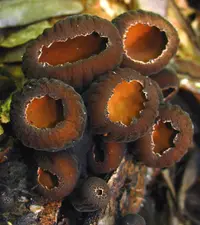
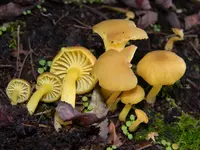
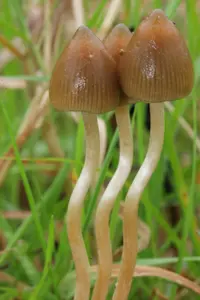
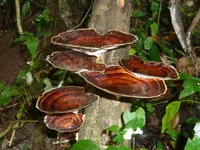
Microporus xanthopus, known as yellow stemmed micropore, is a small bracket fungus rather than a leafy houseplant. It forms thin, fan-shaped caps with a bright yellow to orange stem and a pale, pore-covered underside. The fruiting bodies usually grow on decaying wood, especially logs and fallen branches in warm, humid forests of Southeast Asia and other tropical regions.

This fungus is saprophytic, meaning it feeds on dead wood and helps break it down. In cultivation it is best suited to specialized growers, as it needs consistently moist, woody substrate and high humidity. Hobbyists who care for yellow stemmed micropore often appreciate it more as a display of fungal growth than as a typical container plant.

Main Plant Requirements

Care Difficulty

Moderate Care

Light Preference

Partial Shade

Water Requirements

Keep Soil Moist

Temperature Preference

Tropical / Frost Sensitive

Hardiness Zone

Unknown

Soil Texture

Organic-rich, Peaty, Loamy

Soil pH

Acidic (5.5–6.5)

Soil Drainage

Moist but well-drained

Fertilization

Minimal (feed rarely)

Get Personalized Care Plan

Scan your plant to receive care tips personalized for your specific plant

Available on iOS and Android

How to Care for the yellow stemmed micropore

Microporus xanthopus grows best in bright, indirect forest-like light with limited direct sun.

  • Provide dappled or filtered light for 6–8 hours daily, such as under shrubs or on a shaded log receiving broken sun through foliage.
  • Allow only gentle early morning sun; avoid strong midday or afternoon sun that can dry and crack the fruiting bodies.
  • In hot, bright summers, increase shade cover; in cooler seasons, allow slightly more indirect light so the fungus can continue active growth.

This bracket fungus prefers evenly moist, never soggy, conditions around its woody substrate rather than strict watering schedules.

  • If growing on logs or wood pieces, re-wet when the surface feels dry and lightweight, usually after 2–4 days of dry weather.
  • Use rainwater or dechlorinated water to soak the wood thoroughly, then let excess drain so Microporus xanthopus does not sit in standing water.
  • In cooler seasons reduce soaking frequency but avoid letting the wood stay bone dry for more than a day or two to prevent shriveling.

This species favors warm, frost-free conditions similar to a humid tropical or subtropical forest floor.

  • Aim for 70–85°F (21–29°C) for steady growth, with consistently moist air and substrate around the supporting wood.
  • Protect from cold snaps; growth slows below 60°F (16°C) and tissue damage can occur near 40°F (4°C), especially during extended chills.
  • Avoid prolonged extremes above 95°F (35°C); combine shade and higher humidity during heatwaves to reduce drying and cracking of the brackets.

This fungus prefers consistently moist air, so humidity is an important factor for stable growth.

  • Aim for 60–80% humidity, especially in enclosed or indoor culture setups for yellow stemmed micropore.
  • Tolerates brief dips into drier air, but prolonged humidity below 50% can slow growth and dry the fruiting bodies.
  • Crisping or cracking of caps signals low humidity; increase moisture by misting nearby surfaces or using a small humidifier close to the substrate.

Microporus xanthopus grows best on well-aerated, organic-rich substrate rather than dense mineral garden soil.

  • Use a loose, woody mix based on decayed hardwood chips, sawdust, or fine bark with some compost for sustained nutrients.
  • Ensure very rapid drainage; the substrate should hold moisture but never stay waterlogged, which encourages anaerobic (low-oxygen) conditions and rot.
  • Aim for slightly acidic to neutral conditions around pH 5.5–7, which suits most decomposing wood substrates.
  • Improve aeration by mixing in coarse bark or wood chips so air pockets remain around the mycelium and excess water can escape freely.

This species can be grown in containers if the substrate and drainage closely mimic a decaying wood environment.

  • Choose a sturdy, wide container to spread the woody substrate layer so fruiting bodies have space to form on the surface and edges.
  • Use a rigid material such as plastic tubs or thick nursery pots that retains moisture but can be drilled for extra side ventilation if needed.
  • Raise the container on blocks or pot feet so drainage holes stay clear and excess leachate can run off without soaking the base.

Microporus xanthopus usually needs only light nutrition, especially when grown on decaying wood or naturally rich substrates.

  • Use a weak balanced liquid fertilizer (around 10-10-10) at 1/4 strength during the main growing season if growth appears pale or thin.
  • Apply no more than every 4–6 weeks, and skip feeding entirely if the substrate already contains compost or other organic matter.
  • Avoid fertilizing in winter or during dormant phases, as excess nutrients can disturb the fungal-host balance in yellow stemmed micropore habitats.
  • Never apply fertilizer directly on the fruiting bodies; moisten the substrate first, then feed lightly to reduce burn risk.

Pruning Microporus xanthopus focuses on hygiene rather than shaping, as the fungus naturally maintains its form.

  • Inspect at any time of year and remove dead, rotting, or insect-damaged brackets to reduce disease pressure.
  • Use clean, sharp scissors or a knife to cut fruiting bodies at the base without tearing surrounding substrate or host wood.
  • Clear crowded or overlapping brackets only when air circulation is poor, which helps limit mold growth on the pore surface.
  • Avoid heavy removal of healthy structures, since excessive cutting can stress the underlying mycelium and reduce future fruiting.

Microporus xanthopus is usually grown on logs or woody blocks, so transplanting is rare and mainly done to refresh the substrate.

  • Move the colonized log or wood chunk only when fruiting declines, the wood is heavily decomposed, or space and humidity conditions change.
  • Transplant in warm, stable weather, matching previous light and moisture levels to limit shock to the internal mycelium.
  • Shift the entire colonized piece onto fresh compatible wood or a new display surface without breaking or cutting through it.
  • Handle gently, keep the substrate evenly moist after moving, and avoid direct sun or strong wind until fruiting resumes.

Propagation of Microporus xanthopus is usually done through spore or mycelium transfer rather than conventional plant methods.

  • Use spore prints or small pieces of colonized wood to inoculate fresh, clean hardwood in warm weather.
  • Keep the new substrate in high humidity, moderate warmth (around 70–80°F), and indirect light to support mycelium spread.
  • Maintain good air movement but avoid strong drafts, which can dry the substrate and slow colonization.
  • Limit handling of young brackets; allow the mycelium to fully establish before moving or displaying new pieces.

Microporus xanthopus in mild climates needs little winter care but is sensitive to prolonged freezing.

  • In regions with light frost, keep colonized wood in a sheltered, shaded spot where temperatures stay mostly above freezing.
  • For container displays, move pieces into a frost-free garage, greenhouse, or porch during hard freezes.
  • Avoid waterlogged substrates in cold weather; maintain only slight moisture to prevent rot in inactive mycelium.

Care Tips

Orient cap surfaces

Position mounted or potted specimens so cap undersides face outward and slightly downward, which improves spore release and air movement across the pores and reduces stagnant moisture that can encourage fungal rot on the host wood.

Use stable hardwood

Fix the fungus onto dense, well-seasoned hardwood pieces (such as oak or beech) instead of soft, quickly decaying woods, since a stable substrate slows structural collapse and supports more consistent fruiting over several seasons.

Control splash exposure

Keep the host wood out of direct irrigation splash or heavy hose spray by watering soil or nearby plants gently at the base, which helps prevent physical damage to the brackets and reduces the spread of opportunistic molds across the pore surface.

Rotate display sites

Shift outdoor displays between slightly different microclimates through the year, such as from a breezier, brighter spot in the dry season to a more sheltered, shaded area in very wet or cold periods, to extend the visual life of the brackets when growing yellow stemmed micropore.

Inspect mounting hardware

Check and tighten wires, screws, or ties on mounted pieces at least twice a year so the host wood does not shift or drop, which can crack the brackets and expose fresh tissue to desiccation or contamination.

Common Pests and Diseases

Wood-boring beetles

This pest targets dead or decaying woody tissue, tunneling through bracket layers and the underlying log or stump. Symptoms include tiny round exit holes, frass-like dust, and weakening or crumbling of older fruiting bodies.

Solution

Remove and dispose of heavily bored brackets and, if possible, replace the colonized log or substrate with clean hardwood. Store cultivated brackets in a dry, well-ventilated place off the ground, and use fine mesh or netting over drying racks to exclude adult beetles and reduce egg-laying.

Fungus gnats

These insects are attracted to moist organic substrates and can be abundant around cultivated brackets or culture trays. Symptoms include small dark flies hovering near the substrate and larvae feeding within very wet sawdust, compost, or agar media.

Solution

Reduce excess moisture by allowing the top layer of substrate to dry slightly between waterings and improve air movement around culture containers. Use yellow sticky traps to capture adults and, if needed, drench the substrate with a biological control such as Bacillus thuringiensis israelensis following label directions for fungus gnat larvae.

Green mold (Trichoderma)

This disease appears as fast-spreading green patches on colonized substrate, culture plates, or near the base of brackets. Symptoms include slowed or distorted development of Microporus xanthopus tissue and a powdery green surface that quickly overtakes uncolonized areas.

Solution

Immediately remove and discard contaminated blocks, plates, or heavily infected sections to prevent spore spread. Work with very clean tools, reduce excess moisture, increase airflow around substrates, and, in culture work, flame-sterilize instruments and seal containers properly to favor Microporus growth over Trichoderma.

Bacterial blotch

This disease causes water-soaked, greasy-looking spots on the surface of fresh brackets that may darken and soften. Symptoms include localized slimy patches with an unpleasant odor, especially in very humid, stagnant air conditions.

Solution

Trim out affected areas with a clean, sharp blade and discard any severely damaged tissue. Lower humidity slightly, increase air circulation around the fruiting bodies, avoid overhead misting directly on the brackets, and sanitize tools and shelves regularly to reduce bacterial load.

Interesting Facts

Yellow foot adaptation

The species produces a distinctive bright yellow stipe (stem) that often remains vivid even as the brown cap surface weathers, which helps distinguish it from many other bracket fungi sharing the same wood substrate.

Variable cap forms

Its fruiting bodies range from thin, leathery, shell‑like brackets to more funnel‑shaped rosettes depending on humidity, light, and position on the log, showing a high degree of morphological plasticity for a wood-decay fungus.

Tropical hardwood decomposer

This fungus is especially common on fallen hardwood branches and logs in lowland tropical forests, where it contributes to white-rot decay by breaking down lignin and helping return locked carbon and nutrients to the forest soil.

Botan icon

Did you know?

This species is widely distributed across tropical and subtropical regions of Asia, Africa, and Oceania, and its conspicuous yellow stipe and tough, long-lasting fruiting bodies make it a frequent subject in field guides that teach beginners to recognize wood-decay fungi in rainforests.

FAQs about yellow stemmed micropore

This bracket fungus is considered inedible. The fruiting bodies are very tough and woody, lacking culinary value. It is used mainly for ornamental, ecological, or craft purposes rather than food, and should not be harvested for eating.

Grow Healthy Plants with Botan Care

Keep your plants happy and healthy with plant identification, disease detection, and easy care guidance.

Botan plant care app — identify plants on mobile

Explore More Plants