











Physisporinus vitreus Care

Physisporinus vitreus

About Physisporinus vitreus

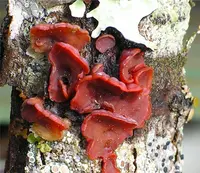
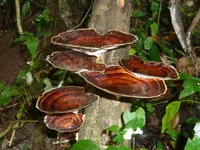
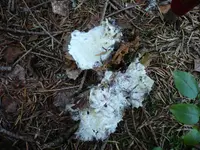
Physisporinus vitreus is not a green plant but a wood-decaying fungus that colonizes the interior of conifer and hardwood timber. It forms white, cottony mycelium and causes a type of decay known as white rot, where it breaks down lignin and leaves wood lighter and more fibrous. In nature, it occurs mainly in temperate forests, especially in Europe, often hidden inside fallen logs or structural wood. Because it grows inside wood and needs stable moisture and suitable temperature, it is not usually managed as an ornamental species, and learning how to care for Physisporinus vitreus is mainly relevant for laboratory or industrial cultivation contexts.

Main Plant Requirements

Care Difficulty

Hard Care

Light Preference

Partial Shade

Water Requirements

Moderate Water

Temperature Preference

Warm Climate

Hardiness Zone

Unknown

Soil Texture

Loamy, Organic-rich

Soil pH

Slightly acidic (6.5–7.0)

Soil Drainage

Moist but well-drained

Fertilization

Minimal (feed rarely)

Get Personalized Care Plan

Scan your plant to receive care tips personalized for your specific plant

Available on iOS and Android

How to Care for the Physisporinus vitreus

This wood-decaying fungus prefers low light typical of shaded forest habitats rather than direct sun exposure.

  • Site colonized wood in full shade or deep dappled woodland light, avoiding direct midday sun that can overheat and dry the substrate.
  • Aim for filtered light or indirect exposure equal to roughly 1–3 hours of soft morning or late-afternoon sun, especially in open-edge woodland or yard settings.
  • In summer, protect from strong, reflective light; in winter, slightly more open shade is acceptable as sun intensity and drying risk are lower.

Moist but not waterlogged wood is essential for stable development of this fungus.

  • Maintain the host wood or timber evenly moist, allowing the surface to dry slightly between soakings instead of staying saturated.
  • Before rewetting, let the outer 2–5 mm of wood feel just dry to the touch while inner layers remain faintly damp, indicating usable moisture without stagnation.
  • Reduce added moisture in cool seasons to limit standing water and rot of non-target materials; overly soaked wood with a sour smell signals excess water and poor aeration.

This species develops best in cool to mild conditions without strong temperature extremes.

  • Optimal activity typically occurs around 50–70°F (10–21°C), with steady, moderate temperatures favoring gradual colonization of wood.
  • Short exposures down to about 32°F (0°C) are tolerated in dormant phases, but repeated hard frosts below this can slow or halt growth.
  • High heat above 77–86°F (25–30°C), especially combined with drying air, can damage mycelium, so shaded, insulated wood helps buffer temperature swings when caring for Physisporinus vitreus.

This wood-decay fungus does not need humidity control under typical outdoor or log-storage conditions.

This fungus colonizes wood rather than conventional soil, so focus on substrate structure instead of garden soil preparation.

  • Use sound but moist softwood or hardwood with an open, fibrous structure that allows air pockets within the wood matrix.
  • Keep the wood evenly moist but never waterlogged to prevent anaerobic conditions that suppress fungal activity and favor bacteria.
  • Avoid heavily treated or painted wood, as preservatives and surface coatings inhibit colonization and slow metabolic processes.
  • For experimental culture, place clean wood blocks on a moist but freely draining inert medium, such as sand or vermiculite, rather than dense soil.

This species is not well suited to conventional container growing and is usually managed on wood or structural materials instead.

This wood-decay fungus typically grows on nutrient-rich timber and does not benefit from routine fertilization under normal cultural conditions.

As a saprotrophic wood-decay fungus, Physisporinus vitreus is not managed through pruning in the way vascular plants are.

This species is usually studied or managed on infected wood rather than grown as a potted specimen, so repotting or transplanting is not part of standard care.

  • Transplant only when moving colonized wood for research or diagnostic purposes, following local biosecurity rules.
  • Handle infected timber gently to limit mechanical damage and unwanted spore dispersal.
  • Avoid placing colonized wood near valuable structural timber or living trees that could be at risk.
  • Dispose of unwanted material in accordance with plant health or forestry guidelines to reduce spread.

Propagation of this wood-decay fungus is generally restricted to controlled laboratory or research settings rather than home cultivation.

Outdoor populations on wood usually tolerate natural seasonal changes and do not require targeted winter care.

Care Tips

Monitor wood moisture

Use a simple wood moisture meter to keep host timber at 20–35% moisture content, since stabilizing moisture in this range slows fungal spread and helps manage caring for Physisporinus vitreus in structural or cultivation settings.


Optimize airflow

Install small fans or increase passive ventilation around colonized wood stacks to reduce stagnant, humid pockets that favor uncontrolled mycelial overgrowth and secondary molds.

Controlled inoculation points

Drill shallow, evenly spaced holes or use pre-cut kerfs in the host wood so the fungus colonizes predictably, which improves uniformity of decay and makes monitoring structural changes easier.

Regular structural checks

Schedule routine probing and core sampling of inoculated beams or test blocks to detect excessive strength loss early, adjusting exposure time or removing compromised pieces before they fail.

Segmented culture batches

Maintain multiple small culture batches rather than a single large one, so any contamination or unexpectedly aggressive decay remains contained and does not jeopardize the entire production set when you grow Physisporinus vitreus for research or specialty applications.

Common Pests and Diseases

Brown rot of conifers

This disease is caused by Physisporinus vitreus itself as a wood-decaying fungus that produces a characteristic brown rot in coniferous timber. Symptoms include a brown, cubical cracking of the wood with progressive loss of strength while the outer surface may still look relatively intact.

Solution

Management focuses on prevention by using properly kiln-dried, pressure-treated, or naturally durable wood for construction, and by avoiding prolonged moisture exposure in service. In existing structures, improve ventilation and drainage to keep wood dry, remove and replace heavily decayed elements, and where feasible apply borate-based wood preservatives to adjacent at-risk but still-sound timber.

Internal sapwood decay

This disease affects the inner sapwood of living conifers, especially spruce, where hidden internal decay develops with little or no external symptoms for a long period. Symptoms include reduced mechanical stability and, in sawn timber, unexpected strength losses discovered during processing or service.

Solution

In standing trees and poles, management relies on regular structural inspections, non-destructive testing methods (such as drilling resistance or acoustic tools), and removal of high-risk stems when internal decay is suspected. For processed wood, use proper storage under dry, ventilated conditions, sort out suspect logs, and avoid long-term storage of wet, barked timber that favors colonization and spread of the fungus.

Post-harvest timber discoloration

This disease develops in stored logs or sawn wood when the fungus colonizes moist material, leading to pale to brownish internal discoloration and quality loss. Symptoms include patchy staining, changes in texture, and reduced value for structural or appearance-grade products.

Solution

To manage this issue, debark and process logs promptly, store timber off the ground with good airflow, and protect it from rain and splashing water to keep moisture content low. In high-risk situations, use rapid kiln-drying schedules or controlled storage, and remove and discard or downgrade visibly discolored pieces to limit spread during storage and processing.

Interesting Facts

Selective soft-rot decay

This basidiomycete fungus causes a very specific form of wood decay in conifers, preferentially degrading lignin and hemicellulose while leaving a fragile cellulose-rich structure that can drastically reduce timber strength.

Hidden in timber structures

It is a common colonist of construction timber and underground wooden structures in temperate regions, where it can grow inside beams and railway sleepers with little external sign until mechanical failure occurs.

Moisture-dependent growth

Laboratory studies show that its mycelium expands rapidly in moist, low-oxygen wood, making it of interest in research on biodeterioration processes in water-logged or poorly ventilated building materials.

Botan icon

Did you know?

Because this species can markedly reduce the mechanical strength of spruce and other softwoods without immediately obvious visual decay, it is frequently used as a model organism in engineering research on early detection of structural wood failure using acoustic and ultrasonic testing methods.

FAQs about Physisporinus vitreus

This wood-decay fungus typically inhabits temperate forests, colonizing dead or structurally weakened conifer and hardwood timber. It is frequently found in construction wood, floor structures, and other damp, poorly ventilated wooden elements in buildings.

Grow Healthy Plants with Botan Care

Keep your plants happy and healthy with plant identification, disease detection, and easy care guidance.

Botan plant care app — identify plants on mobile

Explore More Plants