Gyromitra californica Care

Gyromitra californica

About Gyromitra californica

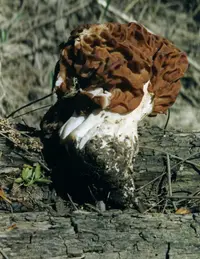
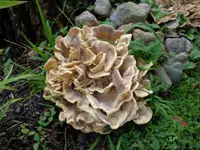
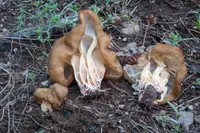
Gyromitra californica, often called the California false morel, is a fleshy cup fungus rather than a traditional green plant. It produces irregular, lobed, brain-like caps in reddish to brown tones on short, stout stems.

This species typically appears on the ground in coniferous or mixed forests along the Pacific Coast of North America, especially in spring. It grows from soil rich in decaying organic matter and often forms scattered groups.

Because it is a fungus with specific ecological needs, it is not easy to cultivate reliably at home or in gardens. Most information on how to care for Gyromitra californica focuses on understanding its natural habitat rather than active cultivation techniques.

Main Plant Requirements

Care Difficulty

Hard Care

Light Preference

Partial Shade

Water Requirements

Keep Soil Moist

Temperature Preference

Cool Climate

Hardiness Zone

Unknown

Soil Texture

Loamy, Silty, Organic-rich

Soil pH

Acidic (5.5–6.5)

Soil Drainage

Moist but well-drained

Fertilization

Minimal (feed rarely)

Get Personalized Care Plan

Scan your plant to receive care tips personalized for your specific plant

Available on iOS and Android

How to Care for the Gyromitra californica

This fungus develops best in cool, moist woodland light similar to its natural forest-edge habitat.

  • Aim for bright, dappled woodland shade with only 1–3 hours of weak morning sun and no direct midday or afternoon sun on the fruiting area.
  • Site Gyromitra californica under shrubs or light tree canopy where leaf litter filters light and keeps the ground surface from drying or overheating.
  • Excess sun exposure can desiccate fruiting bodies, so in late spring and early summer provide extra shade or leaf mulch if canopy cover is thin.

This species depends on consistently moist, not waterlogged, soil that mimics a cool forest floor.

  • Maintain evenly damp soil in the upper 5–8 cm, allowing the surface to lose its gloss but not dry out completely before adding water or relying on rainfall.
  • Ensure loose, well-drained, organic-rich soil so excess water percolates away; standing water or sour, swampy smells indicate harmful saturation.
  • In drier or warmer periods, increase moisture by gentle, frequent soaking of the litter layer, watching for shriveling or cracking of fruiting bodies as signs of inadequate moisture.

This species fruits in cool to mild conditions and declines with sustained heat or hard frost.

  • Optimal fruiting occurs around 45–60°F (7–16°C), often in late winter to spring when soil is cool and moisture levels are high.
  • Short exposures down to about 28°F (-2°C) may be tolerated, but repeated hard freezes or deep ground frost can damage developing structures.
  • Sustained temperatures above 70°F (21°C) combined with dry air quickly halt growth, so the most reliable fruiting occurs in cool, moist seasons.

Humidity is not a meaningful care factor for this wild, non-cultivated fungus and is best managed by maintaining its natural outdoor habitat.

Gyromitra californica grows in natural forest substrates rather than prepared horticultural soil mixes.

  • This fungus typically develops on or near decomposing conifer litter, woody debris, or rich organic duff, not in conventional potting soil.
  • Substrate needs to be loose, well-aerated, and fast-draining so water does not stagnate around developing mycelium and fruiting bodies.
  • Avoid compacted, high-clay, or waterlogged ground, which limits oxygen and promotes competing molds and anaerobic microbes.
  • If attempting cultivation, mimic forest-floor conditions using layered conifer litter, coarse bark pieces, and partially decomposed wood rather than a standard mineral soil mix.

This species is not suitable for container growing and is best left to develop in its natural woodland habitat.

This wild ascomycete fungus is not managed like a garden plant and does not need fertilization in natural or cultivated settings.

As a cup fungus forming fruiting bodies from underground mycelium, Gyromitra californica is not pruned in the horticultural sense.

Cultivation in containers is uncommon, so any handling focuses on disturbance-free transplanting of colonized substrate rather than classic repotting.

  • If grown experimentally, transplant only when mycelium fully colonizes a substrate block or when contamination risk increases.
  • Plan moves for cool, stable weather to limit stress and drying of the substrate surface.
  • Shift the entire colonized mass into fresh but similar substrate, avoiding breakage or crumbling of the mycelial network.
  • Work quickly, keep substrate slightly moist, and shade the area after transplanting to stabilize humidity.

Reproduction of this fungus relies on spore dispersal and controlled mycelial culture, which is technically demanding and rarely attempted by home growers.

In native habitats this species is adapted to local winter conditions and generally needs no targeted seasonal protection.

Care Tips

Select suitable substrate

Use a hardwood-based, well-rotted wood chip and leaf litter mix collected from disease-free oak or conifer woodland, and pasteurize it lightly (60–70°C for 1 hour) to reduce competing fungi while preserving some native microbes that support growing Gyromitra californica.

Mimic forest moisture

Set up a shaded outdoor bed with a coarse bark mulch top layer that is kept evenly moist but never waterlogged, which stabilizes surface humidity and protects the developing fruiting bodies from rapid drying and cracking.

Control competition

Before inoculation, remove existing visible mushrooms and thick mats of other fungi or moss, then lightly rake the top 2–3 cm of the bed so the mycelium has open contact with wood-rich material rather than dense, competing growth.

Seasonal disturbance cues

In late winter, gently disturb the top layer of litter and add a thin layer (0.5–1 cm) of fresh hardwood leaf litter to simulate natural seasonal turnover, which can help trigger spring fruiting.

Limit handling and harvest

Avoid frequent handling of developing sporocarps and harvest by cutting at the base with a clean knife, leaving the underlying mycelium and substrate undisturbed to maintain long-term Gyromitra californica care and productivity.

Common Pests and Diseases

Fungal parasitism

This disease affects fruit bodies when other fungi colonize the developing ascocarps, leading to misshapen, discolored, or aborted structures. Symptoms include patchy overgrowth on the cap and rapid tissue collapse in wet conditions.

Solution

Remove and discard any distorted or overgrown fruit bodies to reduce spore spread, and avoid disturbing or wounding healthy mushrooms. In areas used for observation or study, limit traffic and compaction around the fruiting zone to maintain a stable, less-stressed substrate, as there are no practical chemical controls for caring for Gyromitra californica in natural settings.

Slugs and snails

These pests feed on the soft tissue of the fruit bodies, leaving irregular holes, slime trails, and partially eaten caps, especially in moist, shaded sites. Damage is often most visible overnight or after rain.

Solution

Hand-remove slugs and snails during cool, damp periods and reduce dense groundcover or debris that provides hiding places near the fruiting area. Physical barriers such as copper tape around small observation plots or rough, dry mulches can also reduce access without introducing chemicals into the habitat.

Insect larvae

This pest group includes fly and beetle larvae that tunnel inside the mushroom, causing internal decay, dark tunnels, and premature collapse of the fruit body. Symptoms include soft, water-soaked spots and visible maggots when the tissue is cut open.

Solution

Harvest or document fruit bodies promptly when they reach maturity to minimize the window for egg-laying and larval development. Remove and discard heavily infested specimens from the immediate area to reduce local breeding populations, and avoid leaving cut or damaged mushrooms on the ground where they attract additional insects.

Interesting Facts

Spring morel mimic

This species often appears in early spring in coastal western North America and is frequently mistaken for true morels (Morchella species) because of its brain-like, convoluted cap surface and similar habitat timing.

Localized Pacific range

Gyromitra californica is primarily associated with coastal and montane coniferous forests from California north into the Pacific Northwest, where it fruits on the ground among litter rather than directly on wood.

Potential toxin presence

Although less studied than some European Gyromitra species, G. californica is considered potentially poisonous, and related species are known to contain gyromitrin, a compound that can cause severe liver and nervous system damage when ingested.

FAQs about Gyromitra californica

This fungus is considered poisonous and should not be eaten, even if parboiled or dried. It may contain gyromitrin-like toxins that can damage the liver and nervous system. For safety, treat it as inedible.

Grow Healthy Plants with Botan Care

Keep your plants happy and healthy with plant identification, disease detection, and easy care guidance.

Botan plant care app — identify plants on mobile

Explore More Plants