Hapalopilus croceus Care

Hapalopilus croceus

About Hapalopilus croceus

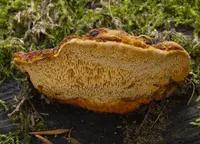
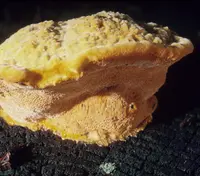
Hapalopilus croceus is a wood-decay fungus, not a leafy houseplant. It forms soft, flat to bracket-like fruiting bodies with a bright saffron to orange-brown surface. The pore layer underneath is typically yellow to ochre and can stain purple with certain chemicals.

This species usually appears on dead or decaying hardwood, especially oak and other broadleaf trees, in temperate forests of Europe, Asia, and North America. It plays an important role in breaking down lignin, the tough structural component of wood.

Because it is a wild fungus that relies on specific deadwood conditions, it is not practical to cultivate indoors or in typical gardens. For this reason, most guides do not explain how to care for Hapalopilus croceus.

Main Plant Requirements

Care Difficulty

Moderate Care

Light Preference

Partial Shade

Water Requirements

Moderate Water

Temperature Preference

Cool Climate

Hardiness Zone

Unknown

Soil Texture

Loamy, Organic-rich

Soil pH

Slightly acidic (6.5–7.0)

Soil Drainage

Moist but well-drained

Fertilization

Minimal (feed rarely)

Get Personalized Care Plan

Scan your plant to receive care tips personalized for your specific plant

Available on iOS and Android

How to Care for the Hapalopilus croceus

This wood-decay fungus prefers low to moderate light typical of shaded forests rather than direct sun exposure.

  • Provide bright shade or dappled light, similar to a north-facing woodland edge; 1–3 hours of weak morning sun is acceptable, but avoid direct midday or afternoon sun.
  • Position fruiting logs or stumps where they receive consistent shade in summer, as strong sun and drying winds can desiccate developing brackets and slow growth.
  • In very dense shade with little sky exposure, growth may be sparse; filtered light that mimics a forest understory suits Hapalopilus croceus best.

Moist, evenly damp wood is essential, since this species feeds and fruits on decaying trunks or large branches.

  • Ensure the host log or stump stays consistently moist but not waterlogged; in dry periods, soak thoroughly, then allow the surface to drain so it feels damp, not dripping.
  • Increase moisture support in hot, windy weather by mulching around the wood and irrigating when the outer surface feels dry to the touch for several hours.
  • Reduce supplemental watering in cool, wet seasons to prevent standing water, which can favor competing fungi and cause the substrate to sour or rot anaerobically.

This fungus performs best in cool to mild conditions typical of temperate woodland climates.

  • Aim for an active growth range of about 50–70°F (10–21°C), which supports steady breakdown of the host wood and reliable fruiting.
  • Expect reduced activity below 40°F (4°C); short light frosts may be tolerated, but prolonged freezing can pause development until conditions warm.
  • Limit exposure to sustained heat above 80°F (27°C), as hot, dry weather can desiccate the substrate; provide extra shade and moisture buffering during heat waves.

This wood-decay fungus does not require controlled air humidity in cultivation.

For cultivation, this bracket fungus needs consistently moist, woody, organic material rather than conventional potting soil.

  • Use a substrate dominated by decayed hardwood chips, sawdust, or logs with a coarse, fibrous texture that mimics rotting wood.
  • Ensure water drains away slowly but steadily; the substrate should stay damp, never waterlogged or fully dry.
  • Aim for slightly acidic to neutral conditions (pH 5.5–7.0), which match typical hardwood forest litter.
  • Avoid dense mineral soils, pure peat, or any medium that compacts, as this restricts air flow around the mycelium.

This species is not well suited to conventional container growing, since it is specialized for colonizing dead hardwood rather than living in pots.

This wood-decaying fungus usually grows on nutrient-rich dead wood and does not benefit from direct fertilization in cultivation.

Hapalopilus croceus does not require pruning in the usual horticultural sense, since it is a bracket fungus forming fruiting bodies on wood.

In cultivation, this fungus is managed by relocating or renewing its woody substrate rather than conventional repotting.

  • Transplant only when the colonized log or stump is exhausted, crumbling, or no longer producing fresh fruiting bodies.
  • Carry out any moves in cool, moist weather to reduce drying of the mycelium, the main fungal body within the wood.
  • Shift the fungus together with its entire piece of wood, avoiding disturbance or breakage of colonized material.
  • After moving, keep the log shaded and evenly moist to limit stress and support continued growth.

Propagation of this species is specialized and usually left to experienced mycologists rather than home growers.

In natural settings this fungus is cold hardy and usually needs no special winter care.

Care Tips

Use fresh substrate

When preparing wood for cultivation, always use freshly cut, disease-free hardwood logs or blocks, as old or decayed wood often carries competing fungi that will outgrow the mycelium.

Pre-drill clean holes

Drill evenly spaced, clean holes with a sharp bit and remove sawdust before inoculation so the spawn has direct contact with the wood and is not contaminated by debris.

Seal inoculation points

After inserting plugs or grain spawn, seal each hole and any cut ends with food-grade wax to reduce moisture loss and prevent other fungi from colonizing the wood.

Stack for airflow

Arrange inoculated logs in a loose crib stack or lean them in a teepee shape so that shaded airflow around each piece limits mold growth and encourages even colonization.

Label and date logs

Clearly label each log with species, inoculation date, and spawn source to track colonization time, compare performance, and refine techniques for growing Hapalopilus croceus over several seasons.

Common Pests and Diseases

Wood-decay competition fungi

This disease involves other wood-decay fungi colonizing the same hardwood substrate and outcompeting the fruiting bodies. Symptoms include patchy, deformed, or suppressed brackets and presence of other fungal crusts or brackets on the same log or stump.

Solution

Remove and discard heavily colonized sections of wood and, if cultivating, transfer colonized pieces with healthy orange pores to fresh, clean hardwood. Maintain good airflow and avoid stacking overly decomposed or already fungus-rich wood to reduce cross-colonization while growing Hapalopilus croceus.

Maggots (fly larvae)

This pest is caused by fungus gnat or other fly larvae tunneling through the fruiting body. Symptoms include small holes, soft spots, and frass-like debris inside the bracket.

Solution

Cut away and discard infested portions and harvest fruiting bodies as soon as they reach usable size to limit larval development. Cover colonized logs with fine mesh or insect netting in outdoor or shed setups to reduce egg‑laying by adult flies and keep the immediate area clean of decaying mushroom scraps.

Slugs and snails

These insects create irregular chew marks, missing sections, and slime trails on young and mature brackets. Damage is often most evident after wet or humid periods.

Solution

Hand-remove slugs and snails during evening or early morning checks and avoid leaving moist debris or boards directly against the cultivation area. Where pressure is high, use physical barriers such as copper tape, rough mulch, or low, continuous edging around the fruiting site to limit access without contaminating the substrate.

Mites

This pest consists of tiny arthropods feeding on spores and tissue on the pore surface, leading to a dull, pitted underside and reduced spore production. Symptoms include fine dust-like movement and slightly rough, discolored pore areas.

Solution

Remove severely affected brackets and improve ventilation around the fruiting area to make conditions less favorable. Keep surrounding wood, tools, and shelves clean and dry between flushes, and if needed, briefly lower humidity and increase airflow to break the mite cycle without excessively drying the substrate.

Interesting Facts

Distinct orange reaction

When the flesh of this polypore is touched with strong alkali such as potassium hydroxide, it quickly turns a vivid purple, a classic diagnostic feature used by mycologists to confirm identification.

Cube-shaped decay pattern

As it decomposes conifer wood, this fungus causes a brown rot that leaves behind dry, brick-like cubes of wood, altering both the mechanical strength and the structure of fallen logs in forest ecosystems.

Specialist on conifers

This species is typically found on dead or dying conifer wood, especially pine, and plays a focused ecological role in recycling the lignocellulose of softwoods rather than hardwoods.

Botan icon

Did you know?

The pigments in this fungus were historically investigated as potential natural dyes, and its intense yellow to orange color has made it a reference species in studies on fungal pigment chemistry and their reactions with alkaline solutions.

FAQs about Hapalopilus croceus

This bracket fungus is not considered edible and is generally regarded as inedible or potentially harmful. Some related species contain toxins. Avoid eating it and do not rely on folk reports suggesting culinary use or safety.

Grow Healthy Plants with Botan Care

Keep your plants happy and healthy with plant identification, disease detection, and easy care guidance.

Botan plant care app — identify plants on mobile

Explore More Plants