Tricholoma scalpturatum Care

Tricholoma scalpturatum

About Tricholoma scalpturatum

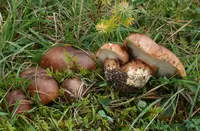
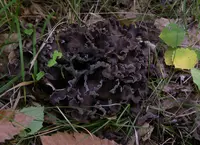
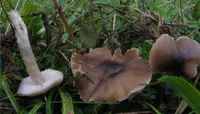
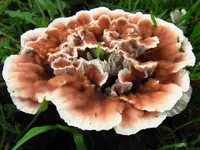
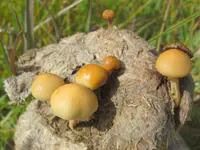
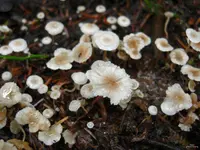
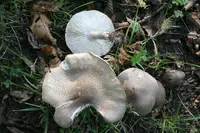
Tricholoma scalpturatum is a small, grayish woodland mushroom rather than a leafy plant. It forms fleshy caps with pale, crowded gills and a sturdy central stem. Caps often show fine scales or subtle cracking on older specimens, which helps distinguish it from some smoother relatives.

This species occurs mainly in temperate Europe, especially in parklands and woodlands where it grows on soil under broadleaf and conifer trees. It typically appears in groups or scattered troops during cooler, moist seasons.

Environmental sensitivity makes it challenging to care for Tricholoma scalpturatum in cultivation, since it depends on a mycorrhizal partnership with tree roots. It prefers undisturbed, moderately moist, well-drained, humus-rich soil in dappled light or light shade.

Main Plant Requirements

Care Difficulty

Moderate Care

Light Preference

Partial Shade

Water Requirements

Moderate Water

Temperature Preference

Cool Climate

Hardiness Zone

Unknown

Soil Texture

Loamy, Sandy, Organic-rich

Soil pH

Acidic (5.5–6.5), Slightly acidic (6.5–7.0)

Soil Drainage

Moist but well-drained

Fertilization

Minimal (feed rarely)

Get Personalized Care Plan

Scan your plant to receive care tips personalized for your specific plant

Available on iOS and Android

How to Care for the Tricholoma scalpturatum

This ectomycorrhizal fungus prefers woodland light conditions that balance shade and brief sun exposure.

  • Provide dappled or light shade under deciduous trees, with no more than 1–3 hours of gentle morning sun and protection from strong afternoon sun.
  • Avoid full, open sun; prolonged exposure can dry out the fruiting layer and surrounding soil, reducing the chance of mushrooms forming.
  • In summer, use leaf litter or low understory plants to create filtered light, while in autumn slightly increased light after leaf fall can still support Tricholoma scalpturatum development.

This woodland fungus depends on consistently moist but not waterlogged soil around its tree partners.

  • Aim for soil that feels evenly damp 3–6 cm below the surface, never saturated; if the top layer becomes dusty and crumbly, conditions are too dry for reliable fruiting.
  • Ensure excellent drainage with a loose, organic-rich mineral soil; pooling water, sour smells, or slimy leaf litter indicate overwatering and risk of root-zone oxygen loss.
  • During dry late summer and autumn spells, increase moisture by slow, deep soaking, then allow the surface to partially dry; cracked soil, shrinking away from roots, signals underwatering stress.

This species fruits best in cool to mild conditions typical of temperate woodlands.

  • Support mycelium growth by maintaining a general soil environment around 50–68°F (10–20°C), which suits many temperate ectomycorrhizal fungi associated with broadleaf trees.
  • Fruiting bodies usually appear when autumn air temperatures hold near 45–60°F (7–15°C), especially with moist soil and stable overnight temperatures just above freezing.
  • Short drops to 32°F (0°C) are tolerated in soil, but repeated hard frosts below 25°F (-4°C) or hot, dry periods above 80°F (27°C) greatly reduce visible fruiting and can stress the underground network.

This ectomycorrhizal fungus is not typically managed by humidity control in cultivation.

This species is a woodland ectomycorrhizal fungus and cannot be reliably grown on standard horticultural substrates.

  • Requires association with suitable host tree roots in naturally developed forest soil with stable structure and undisturbed leaf litter.
  • Prefers well-aerated, humus-rich mineral soil with moderate moisture that never stays waterlogged or fully dries out.
  • Often occurs on slightly acidic to neutral substrates; altering pH or adding heavy fertilizers usually disrupts the symbiosis.
  • Avoid compacted, sterilized, heavily tilled, or containerized mixes, which prevent normal root-fungus interaction and fruiting.

This species is not suitable for container growing, as it depends on living tree roots and complex soil ecology that containers cannot provide.

This mycorrhizal fungus gains nutrients via host tree roots and generally does not benefit from direct fertilization.

Pruning is not applicable to Tricholoma scalpturatum, as it is a wild mycorrhizal mushroom rather than a pruned garden plant.

As a mycorrhizal fungus associated with tree roots, this species is not suited to routine repotting but may be moved only by transplanting its host tree or soil.

  • Transplant only in cool, moist seasons such as early spring or fall, when the host tree experiences less stress.
  • Move a generous soil root ball so fine roots and associated fungal mycelium remain undisturbed.
  • Keep the root zone evenly moist before and after transplanting to support recovery of the tree–fungus partnership.
  • Avoid frequent moves; once the host tree is established, leave the site undisturbed to maintain stable fungal networks.

True propagation of this wild ectomycorrhizal fungus is complex and rarely attempted by home growers.

This temperate woodland fungus is naturally cold hardy and usually needs no special winter care in the ground.

  • Maintain an undisturbed leaf-litter layer over the root zone to insulate soil and fungal mycelium.
  • Avoid deep soil cultivation or heavy traffic around host trees during winter thaws and freezes.
  • Container-grown host trees, if any, should be overwintered in a sheltered, cool, frost-moderated location.

Care Tips

Targeted site selection

Choose collection or observation sites under mature broadleaf trees (especially oaks) with undisturbed leaf litter, since this ectomycorrhizal fungus relies on stable tree partners and will not fruit well in highly disturbed or newly planted areas.

Minimal disturbance policy

Avoid raking, deep digging, or heavy foot traffic where fruiting bodies appear, as repeated mechanical disturbance damages the fine mycelial network and can reduce or stop future mushroom production.

Leaf litter management

Allow a continuous, thin layer of mixed leaf litter to accumulate and decompose naturally, topping up with compatible deciduous leaf mulch rather than wood chips if the layer becomes sparse, to maintain the humus-rich environment this species prefers.

Moisture buffering mulch

In dry periods, apply a loose, breathable mulch of shredded leaves or partially decomposed forest duff around host trees (without burying existing mushrooms) to buffer soil moisture and support the subterranean mycelium between fruiting seasons.

Monitoring for confusion

When caring for Tricholoma scalpturatum in a managed woodland or garden, photograph and document cap color, gill attachment, odor, and host tree species at each fruiting, since consistent monitoring helps distinguish it from similar Tricholoma species that may appear as site conditions change.

Common Pests and Diseases

Mycophagous mites

These insects feed on fungal tissue, grazing the surface of caps and gills and reducing spore production. Symptoms include pitted or roughened cap surfaces and slow or distorted fruiting body development.

Solution

Remove and discard heavily infested fruiting bodies, then carefully scrape away and replace the top layer of substrate or forest litter around the colony. Keep the fruiting area slightly drier between flushes, reduce decaying organic debris that harbors mites, and, in controlled cultivation, use fine-mesh barriers and clean tools to prevent reintroduction.

Sciarid fungus gnats

These insects lay eggs in moist organic material, and the larvae feed on developing fungal primordia and mycelium. Symptoms include aborted pins, small irregular caps, and visible tiny black gnats around the fruiting area.

Solution

Use yellow sticky traps around the fruiting zone to capture adults and reduce egg laying, and allow the surface layer of substrate or casing to dry slightly between flushes while keeping deeper layers moist. In enclosed setups, improve airflow, cover vents with fine mesh, and avoid overwatering or leaving standing water, which encourages gnat buildup when trying to grow Tricholoma scalpturatum.

Bacterial blotch

This disease causes greasy, water-soaked spots on caps that may turn yellow-brown and decay. Symptoms include slimy patches, unpleasant odor, and rapid breakdown of affected fruiting bodies under overly wet conditions.

Solution

Harvest and discard affected mushrooms promptly and avoid splashing water directly onto caps when humidifying an area. Improve air circulation, reduce overhead watering, and maintain a clean, debris-free fruiting environment so surfaces dry quickly after misting or rainfall events in managed beds.

Parasitic Hypomyces mold

This disease is caused by parasitic fungi such as Hypomyces species that colonize and deform fruiting bodies. Symptoms include white, yellow, or reddish crust-like growth on caps and gills and complete loss of normal spore production.

Solution

Remove and dispose of all visibly infected mushrooms and any surrounding litter to reduce spore load. In semi-managed sites or cultivation, avoid reusing contaminated substrate, reduce crowding of fruiting bodies, and maintain good ventilation so surfaces do not remain constantly wet, which favors parasitic mold spread.

Interesting Facts

Grey urban companion

This species often fruits in city parks, roadside plantings, and under planted lindens and oaks, showing notable tolerance of compacted and moderately polluted urban soils compared with many woodland fungi.

Litter-decomposing partner

Although a mycorrhizal associate of deciduous trees, it fruites frequently in areas with rich leaf litter and is considered part of the “litter Tricholoma” group, contributing to nutrient recycling in temperate European woodlands.

Identification challenges

The grey, fibrillose cap and pale gills make it easily confused with several closely related grey Tricholoma species, and reliable identification often requires careful attention to subtle macroscopic traits and habitat context rather than a single obvious feature.

FAQs about Tricholoma scalpturatum

This mushroom is generally considered inedible or at least not recommended for consumption due to possible confusion with toxic grey Tricholoma species and its mediocre culinary value. Foraging beginners should avoid it and choose better-known edible species instead.

Grow Healthy Plants with Botan Care

Keep your plants happy and healthy with plant identification, disease detection, and easy care guidance.

Botan plant care app — identify plants on mobile

Explore More Plants