tape fern Care (Haplopteris ensiformis)

tape fern

About tape fern

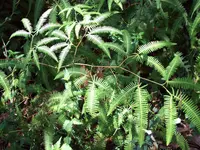
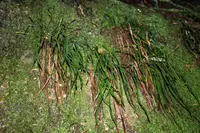
Tape fern, Haplopteris ensiformis, is a small epiphytic fern that often grows on tree trunks, rocks, or old walls in humid tropical forests. It forms narrow, strap-like fronds that hang or trail, giving it a delicate, ribbon-like appearance.

In nature it is found across parts of tropical Asia and the Pacific, where it benefits from constant moisture and filtered light. Indoors, it can adapt to terrariums, mounted displays, or small hanging containers when humidity is kept steady.

This species can be moderately challenging, mainly because it dislikes drying out and sudden environmental changes. Understanding how to care for tape fern starts with providing soft light, regular moisture, and an airy, well-drained growing surface rather than dense potting soil.

Main Plant Requirements

Care Difficulty

Moderate Care

Light Preference

Bright Indirect Light

Water Requirements

Keep Soil Moist

Temperature Preference

Tropical / Frost Sensitive

Hardiness Zone

11–12

Soil Texture

Loamy, Peaty, Organic-rich

Soil pH

Acidic (5.5–6.5)

Soil Drainage

Moist but well-drained

Fertilization

Light (every 4–6 weeks)

Get Personalized Care Plan

Scan your plant to receive care tips personalized for your specific plant

Available on iOS and Android

How to Care for the tape fern

This fern prefers soft, filtered light that mimics a shaded forest understory.

  • Provide bright, indirect light or dappled shade, such as under taller plants or 1–2 m back from an east or north window for tape fern.
  • Aim for 4–6 hours of gentle morning sun with shaded or filtered conditions the rest of the day; avoid direct midday or afternoon sun.
  • If fronds pale, curl, or develop dry brown edges, light is too strong; if growth is sparse and fronds stretch, increase light gradually, especially in winter.

Haplopteris ensiformis prefers consistently moist conditions without waterlogging.

  • Water when the top 1–2 cm of soil feels just barely dry, then moisten evenly until excess drains away, avoiding standing water around the roots.
  • Use a loose, well‑draining mix rich in organic matter so moisture holds between waterings but surplus water can exit quickly.
  • In warm growing seasons, monitor more often; in cooler months let the surface stay lightly dry longer; drooping, crisp fronds suggest underwatering, while blackened bases or a sour smell indicate overwatering.

This fern thrives in stable, warm conditions similar to a humid, frost-free forest floor.

  • Keep day temperatures around 65–80°F (18–27°C) for best growth, with only slight drops at night.
  • Protect from cold; growth slows below about 55°F (13°C) and the plant is usually damaged or killed by frost near 32°F (0°C).
  • In hotter periods above 85°F (29°C), increase humidity, shade from strong sun, and ensure good air movement to prevent heat stress and frond scorch.

This fern prefers consistently moist air and reacts quickly to dry indoor conditions.

  • Aim for 60–80% humidity; it tolerates brief drops to 50% but fronds dry and brown at the tips in drier air.
  • Watch for crisp leaflet edges, stalled new fronds, and leaf drop as early humidity-stress signs in tape fern.
  • Increase humidity with a nearby humidifier, grouping plants, and a pebble tray; avoid misting if room stays below 60°F to limit disease.

Haplopteris ensiformis needs a loose, moisture-retentive yet sharply draining mix that mimics mossy tree or rock crevices.

  • Use a fine-textured mix of 40% peat or coco coir, 30% compost, and 30% perlite or fine bark for both moisture and aeration.
  • Keep structure airy; the mix should feel springy, not compact, so roots receive enough oxygen between waterings.
  • Aim for slightly acidic to neutral pH around 5.5–6.5, avoiding strongly alkaline mixes that can lock up micronutrients.
  • Avoid dense garden soil, heavy clay, or pure peat without added grit, which hold water around the roots and encourage rot.

This species adapts well to container culture when its shallow, creeping roots and moisture needs are considered.

  • Choose a wide, shallow pot so creeping rhizomes can spread horizontally rather than forcing deep root growth.
  • Use a potting insert or inner slotted pot inside a cachepot to let excess water drain while keeping humidity higher around the root zone.
  • Select plastic or glazed ceramic over unglazed terracotta if the plant dries out too fast, since less porous walls slow moisture loss.

This fern benefits from light feeding during active growth but is sensitive to excess salts.

  • Use a balanced liquid fertilizer (around 10-10-10) diluted to 1/4–1/2 strength for tape fern.
  • Apply every 4–6 weeks in spring and summer when new fronds are forming.
  • Skip fertilizer in late fall and winter, or feed no more than once, very weakly.
  • Avoid slow-release pellets touching roots; use well-aged compost only as a thin top-dressing if soil is poor.

Haplopteris ensiformis needs only light, corrective pruning to stay tidy and healthy.

  • Best time for pruning is in late winter or early spring before strong new growth starts.
  • Remove dead, yellowing, or damaged fronds at their base using clean, sharp scissors.
  • Thin out severely crowded fronds to improve air flow and reduce fungal problems.
  • Limit pruning to cosmetic shaping; heavy cutting can weaken the plant and slow growth.

This fern prefers a stable root environment and only occasional repotting in containers.

  • Plan to repot every 2–3 years, or when roots circle the pot, emerge from drainage holes, or growth slows noticeably.
  • Repot in early spring, using a loose, airy mix such as fine bark with peat or coco coir and perlite.
  • Choose the next pot size up only 2–3 cm wider to avoid waterlogged soil and root rot risk.
  • Water well after repotting, keep humidity high, and shade from strong light for 1–2 weeks to reduce transplant stress.

This fern is usually propagated by division, as spore propagation is slow and more technical.

  • Divide mature clumps in spring when new fiddleheads start to emerge and conditions are warming.
  • Gently unpot the plant, tease apart small sections with healthy rhizomes and several fronds each.
  • Plant divisions in a fine, moist, well-draining mix and firm lightly around the roots.
  • Maintain high humidity, stable warmth (65–75°F), and bright, indirect light until new fronds appear.

This fern is frost-sensitive and needs mild, protected winter conditions, especially in containers.

  • Keep plants above 50°F; move container-grown ferns indoors or to a heated greenhouse in cold climates.
  • Provide bright, indirect light indoors and reduce watering so the mix stays slightly moist, not wet.
  • Avoid cold drafts, sudden temperature swings, and direct heat sources that dry the foliage.

Care Tips

Epiphytic Mounting

Mount the plant on cork bark or tree fern fiber with a thin layer of sphagnum moss around the roots to mimic its natural epiphytic habit and improve air flow around the rhizomes.

Horizontal Rhizome Support

Position the plant so its creeping rhizomes can spread over a flat surface (such as a shallow, wide pot or slab) instead of burying them deeply, which reduces rot risk and encourages new frond production along the runners.

Soft-Water Management

Use rainwater, distilled, or filtered low-mineral water and occasionally flush the substrate thoroughly to prevent salt buildup, which this species is sensitive to in long-term container culture.

Fine-Mist Hydration

If humidity is difficult to maintain, use a fine-mist spray directed above and around the fronds once or twice a day rather than soaking the foliage, which helps hydrate the plant without leaving heavy droplets that encourage fungal spots.

Quarantine And Monitoring

When adding new ferns or houseplants nearby, keep this species in a separate area for 2–3 weeks and inspect the narrow fronds and rhizomes with a hand lens for scale or mites, since early detection is crucial when caring for tape fern in dense plant collections.

Common Pests and Diseases

Scale insects

These insects attach tightly along the thin fronds and wiry rhizomes, sucking sap and causing yellowing, stunted fronds, and sticky honeydew. Infestations are common on indoor or sheltered tape fern where air movement is low.

Solution

Remove heavily infested fronds and wipe remaining fronds and rhizomes with cotton pads dipped in diluted isopropyl alcohol, then rinse gently with water. Improve air movement, avoid overfertilizing, and repeat manual cleaning weekly until no new scale appear; in severe cases use a targeted horticultural oil labeled for ferns, applied at low concentration in the evening.

Mealybugs

These insects form white, cottony clusters at frond bases and along the wiry stems, leading to slow decline, distorted new fronds, and sooty mold on honeydew deposits. Populations often build up in dense clumps of foliage or in hanging baskets kept indoors year-round.

Solution

Isolate the plant, then physically remove visible mealybugs with a cotton swab dipped in diluted alcohol and follow with a gentle shower to dislodge remaining insects. Inspect the plant weekly, prune badly infested parts, and use a light application of insecticidal soap or horticultural oil, taking care to test a small section first to avoid frond burn.

Rhizoctonia blight

This disease causes brown, sunken lesions along the narrow fronds and can blacken the slender rhizomes, leading to dieback of whole frond sections, especially in constantly wet, crowded plantings. Symptoms include patchy browning that advances from the base or mid-frond rather than from the tip alone.

Solution

Remove and discard all affected fronds and any soft, dark rhizome sections, then improve drainage and reduce overhead watering so fronds dry quickly. Space plants for better airflow, avoid waterlogged media, and if the problem persists, apply a fern-safe fungicide labeled for Rhizoctonia, following label rates carefully.

Bacterial leaf spot

This disease produces small, water-soaked, translucent spots that turn dark brown and may coalesce, giving the narrow fronds a scorched or tattered look. Symptoms include more damage on areas that stay wet longest, such as dense interior fronds or plants misted frequently in warm conditions.

Solution

Cut off and discard affected fronds, then stop misting and avoid wetting the foliage, watering only at the base in the morning. Increase air circulation, keep leaves dry, and sterilize cutting tools between plants; in persistent cases, use a bactericide labeled for ornamental foliage, as part of broader Haplopteris ensiformis care focused on drier leaf surfaces.

Interesting Facts

Ribbon-like fronds

This species produces unusually narrow, strap-shaped fronds that can stay only a few millimeters wide while reaching considerable length, giving it a distinct grassy or ribbon-like appearance compared with many broader-leaved ferns.

Rock and tree specialist

In nature it often grows as a lithophyte on rocks or as an epiphyte on tree trunks and branches, anchoring with wiry roots in moss, bark crevices, or thin organic layers rather than deep soil.

Wide tropical distribution

Its native range extends across a large part of tropical Asia and into parts of the Pacific, where it occupies humid forest habitats from lowlands up to montane zones under consistently warm, moist conditions.

Botan icon

Did you know?

This fern has been moved between several genera over time and is known in older literature as Vittaria ensiformis, reflecting how its unusual morphology has made its exact relationships within fern lineages a subject of taxonomic revision.

FAQs about tape fern

This species has a moderate growth rate, usually extending fronds by a few cm each year under stable, humid conditions. Consistent moisture, mild temperatures, and regular light fertilization support growing tape fern more vigorously without stressing the roots.

Grow Healthy Plants with Botan Care

Keep your plants happy and healthy with plant identification, disease detection, and easy care guidance.

Botan plant care app — identify plants on mobile

Explore More Plants