Cederberg haworthia Care (Haworthia nortieri)

Cederberg haworthia

About Cederberg haworthia

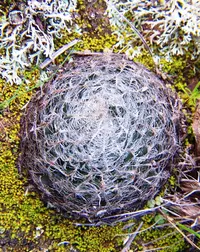
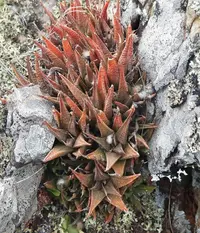
Cederberg haworthia (Haworthia nortieri) is a compact, slow-growing succulent from arid regions of South Africa’s Cederberg area. It forms low rosettes of fleshy leaves that often sit partly sunken into the soil. The leaves are usually grey-green to brownish, with textured or windowed surfaces that help the plant manage strong light and limited water in its native habitat. This growth habit makes it well suited to small pots and indoor collections. Haworthia nortieri is generally considered an easy succulent for patient growers, as long as it receives bright, indirect light, a very well-draining mineral soil mix, and careful watering. Understanding these natural adaptations helps clarify how to care for Cederberg haworthia.

Main Plant Requirements

Care Difficulty

Moderate Care

Light Preference

Partial Shade

Water Requirements

Low Water

Temperature Preference

Tropical / Frost Sensitive

Hardiness Zone

10–11

Soil Texture

Sandy, Rocky, Loamy

Soil pH

Slightly acidic (6.5–7.0), Neutral (7.0)

Soil Drainage

Well-drained

Fertilization

Minimal (feed rarely)

Get Personalized Care Plan

Scan your plant to receive care tips personalized for your specific plant

Available on iOS and Android

How to Care for the Cederberg haworthia

This compact succulent prefers bright but gentle light that mimics its natural rocky habitat.

  • Provide 4–6 hours of bright, indirect light or soft morning sun; light afternoon shade suits Cederberg haworthia in hot, dry regions.
  • Outdoors, give dappled or filtered light under a shrub or shade cloth; avoid harsh midday sun that causes leaf scorching or bleaching.
  • If leaves stretch, lose markings, or turn pale, increase light gradually over 1–2 weeks, especially in low-light winter conditions.

This species stores water in its leaves and needs infrequent but careful watering.

  • Allow the top 3–5 cm of soil to dry completely before watering, then soak thoroughly so excess drains away from the roots.
  • Reduce watering sharply in winter, giving just enough when leaves start to wrinkle slightly or the plant looks slightly shrunken.
  • Watch for overwatering signs such as soft, translucent leaves or a sour soil smell, and ensure sharply draining, gritty soil to protect Haworthia nortieri roots.

This succulent prefers warm, dry conditions with moderate temperature swings between day and night.

  • Aim for 65–80°F (18–27°C) during active growth, with slightly cooler nights that stay above 50°F (10°C).
  • Protect from frost; sustained temperatures below 40°F (4°C) can damage tissues, especially in wet soil conditions.
  • In hot spells above 90°F (32°C), give light shade, extra airflow, and avoid watering during peak heat to reduce stress and rot risk.

This species is adapted to dry air and usually does not need extra humidity beyond typical indoor levels.

Haworthia nortieri needs a very fast-draining, mineral-based substrate to prevent root rot.

  • Use a gritty mix such as 60–80% inorganic material (pumice, coarse sand, fine gravel, or perlite) with 20–40% low-organic succulent potting mix.
  • Aim for a slightly acidic to neutral pH around 6.0–7.0, which supports nutrient uptake without encouraging rot organisms.
  • Ensure a loose, open structure where water drains through in seconds, not minutes, and the mix dries fully within a few days.
  • Avoid dense peat, clay-heavy garden soil, or mixes that stay wet or compact, as these quickly damage the shallow roots of Haworthia nortieri.

This compact succulent is very suitable for container growing.

  • Choose a shallow but wide pot that matches the shallow root system, which helps the rosette stay firm and prevents trapped moisture deep in the mix.
  • Select unglazed terracotta if extra evaporation is needed in cool or low-light sites, or plastic if moisture retention is a concern in hot, very bright locations.
  • Position the rosette slightly above the pot rim so splashed water runs off the leaves quickly instead of pooling around the crown.

Haworthia nortieri is a slow-growing succulent that benefits from light, controlled feeding rather than heavy fertilization.

  • Use a diluted balanced liquid fertilizer (around 10-10-10 or similar) at 1/4–1/2 strength during active growth in spring and early summer.
  • Feed every 4–6 weeks at most, on already-moist soil, to avoid root burn in this compact Cederberg haworthia.
  • Avoid rich compost or heavy organic feeds that stay wet, which increase the risk of rot in the root zone.
  • Stop feeding in late summer to fall and through winter dormancy, resuming only when clear new growth appears.

Haworthia nortieri needs minimal pruning, focused on hygiene rather than reshaping the plant.

  • Carry out light pruning at any time, with a slight preference for late spring after a growth flush.
  • Remove dried leaves at the base, damaged tissue, and shriveled offsets to reduce pest and rot risks.
  • Cut spent flower stalks at the base using clean, sharp scissors or small pruning snips.
  • Limit removal to dead or unsightly parts so the rosette keeps its natural compact form and energy balance.

This compact succulent prefers to stay slightly root-bound, so repotting Haworthia nortieri is infrequent but still important over time.

  • Repot every 3–4 years or when roots circle the pot, growth slows, or the plant lifts upward in the container.
  • Choose late spring to early summer, using a shallow pot with ample drainage and a gritty, fast-draining succulent mix.
  • Gently loosen the root ball, remove old soil, and trim only dead roots, keeping healthy roots as intact as possible.
  • After repotting, keep in bright, indirect light and hold back watering for 3–5 days to let any root wounds dry and reduce stress.

Haworthia nortieri is most commonly propagated by division of offsets, with seed propagation used for more advanced projects.

  • Divide offsets in late spring to early summer when repotting, choosing pups with several leaves and some roots attached.
  • Let any small wounds callus for 1–2 days in a dry, shaded place before planting in a gritty succulent mix.
  • Keep the medium barely moist, provide bright but indirect light, and maintain good air movement to reduce fungal problems.
  • For seeds, sow on the surface of a well-draining mix, keep slightly moist, and maintain gentle warmth around 70–75°F for steady germination.

This species is not frost hardy and requires thoughtful winter care, especially in colder climates or exposed container settings.

  • Avoid exposure below 32°F; in frost-prone regions, grow in containers that can be moved under cover.
  • Before first frosts, bring pots indoors or into an unheated but frost-free space with bright, indirect light.
  • Reduce watering sharply in winter, allowing the soil to dry almost completely to prevent cold-related root rot.
  • Do not use outdoor mulching on container plants; instead, rely on a stable indoor environment and good drainage.

Care Tips

Seasonal Light Shift

Rotate the pot slightly every 2–3 weeks and move it a little farther from the window in mid-summer to prevent asymmetric rosette growth and scorching of the translucent leaf tips.

Controlled Summer Rest

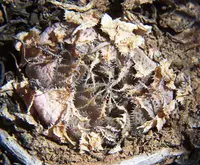
In very hot weather, allow a slightly longer dry period and give only small sips of water in the early morning to respect its semi-dormant summer rest and reduce root stress.

Top-Dressing with Grit

Apply a 0.5–1 cm layer of mineral grit (pumice, coarse sand, or small gravel) on top of the mix to keep leaf bases dry, limit fungus gnat breeding, and stabilize the rosette.

Root System Check

Unpot and inspect roots every 1–2 years at the start of its main growth period, trimming dead roots and refreshing the most compacted third of the mix to maintain aeration.

Targeted Pest Monitoring

Use a soft brush to gently spread outer leaves and inspect leaf bases and the root neck monthly for mealybugs, treating early with alcohol swabs or an appropriate systemic product when needed while caring for Cederberg haworthia.

Common Pests and Diseases

Aloe mite

This pest forms irregular, swollen, warty galls on leaves and growing points, often with distorted or clustered tissue. Symptoms include rough, corky, or tumor-like growths that do not rub off.

Solution

Remove and discard all affected leaves or rosettes well below the deformed tissue, using sterilized tools, and isolate the plant from other Haworthia and related succulents. Improve air movement, avoid overhead misting, and if nearby plants show early symptoms, treat them preventively with a sulfur-based miticide or an acaricide labeled for eriophyid mites, following label directions carefully.

Aloe rust

This disease causes small yellow spots on leaves that turn into dark brown to black pustules, often surrounded by a pale halo. Symptoms include scattered lesions that can merge and weaken individual leaves over time.

Solution

Remove and discard infected leaves to reduce spore load, then keep foliage dry by watering at the soil line and increasing air circulation around the plant. Space plants so leaves do not touch, and if rust recurs, apply a systemic fungicide labeled for rust on succulents according to the manufacturer’s instructions.

Leaf tip burn

This disorder produces dry, brown, papery tips on leaves, sometimes with a sharp boundary between healthy and damaged tissue. Symptoms include tip dieback and occasional shallow surface cracks on older leaves, especially in strong sun or after fertilizer buildup.

Solution

Flush the potting mix thoroughly with clean water to remove excess salts, then adjust fertilizer to a low, cactus-strength dose applied only during active growth. Provide bright but filtered light, protect the plant from intense midday sun, and avoid allowing the soil to dry so hard that leaves collapse before watering.

Soft bacterial rot

This disease starts as water-soaked, translucent patches at the leaf base or crown, quickly turning soft, mushy, and foul-smelling. Symptoms include rapid collapse of affected leaves and a wet, slimy texture inside the rosette.

Solution

Cut away all soft tissue back to firm, healthy material using sterilized tools and dust cut surfaces with dry sulfur or a copper-based product, then allow the plant to dry in a warm, airy spot before lightly rewatering. Discard severely affected plants, avoid water collecting in the rosette, and always use a fast-draining mineral-rich mix to reduce future risk.

Aloe scale

These insects appear as small, hard, tan to brown bumps on leaves and stems, often along the lower leaf surfaces or at the base of the rosette, causing localized yellowing or dull patches. This pest feeds by sucking sap, which weakens growth over time and can lead to sooty mold on honeydew deposits in heavier infestations.

Solution

Physically remove visible scale with a cotton swab dipped in alcohol or by gently scraping with a soft tool, then rinse the plant with a firm stream of water to dislodge remaining juveniles. For persistent populations, use repeated applications of horticultural oil or an insect growth regulator labeled for scale on succulents, and quarantine new plants to prevent introduction when trying to grow Haworthia nortieri in a collection.

Interesting Facts

True dwarf cliff specialist

This species is naturally restricted to arid, rocky slopes and sandstone outcrops in the Cederberg region of South Africa, where plants often grow tightly wedged into crevices that protect them from grazing and extreme heat.

Seasonal leaf windowing

The compact rosettes develop translucent, window-like patches near the leaf tips that allow light to penetrate deeper into the leaf tissue, an adaptation that improves photosynthesis when most of the plant body is shaded by surrounding rock or soil.

Cryptic coloration strategy

In habitat, the mottled grey-green to brownish leaves closely match the surrounding stones and gravel, making the plant difficult to spot and likely reducing herbivory by blending it into the background.

Botan icon

Did you know?

In the wild, this species is considered highly localized and relatively rare, with some populations known from only a few small sandstone ridges, which makes responsible cultivation and Haworthia nortieri plant care an important way to help reduce pressure on wild plants.

FAQs about Cederberg haworthia

Brown leaves usually result from excess sun, prolonged dryness, or root damage from old rot. Check for hard, shrunken leaves from drought versus mushy tissue from past overwatering, then adjust watering rhythm and sun exposure gradually.

Grow Healthy Plants with Botan Care

Keep your plants happy and healthy with plant identification, disease detection, and easy care guidance.

Botan plant care app — identify plants on mobile

Explore More Plants