Hebeloma cavipes Care

Hebeloma cavipes

About Hebeloma cavipes

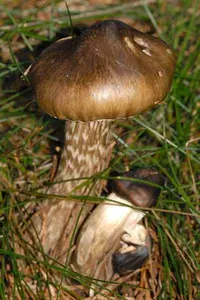
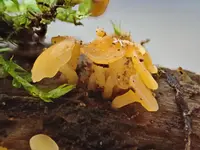
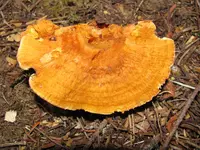
Hebeloma cavipes is a small to medium-sized mushroom-forming fungus rather than a typical leafy houseplant. It produces pale to tan caps with slender stems and usually appears in clusters. The caps may become slightly sticky when moist and often develop darker spots with age.

This species is typically found in temperate forests, often near trees in mixed or coniferous woodland, where it grows on soil rich in organic matter. It is not suited to casual home cultivation, as it depends on complex relationships with tree roots and natural soil fungi. For most people, it is more practical to study than to care for Hebeloma cavipes in a garden or indoor setting.

Main Plant Requirements

Care Difficulty

Hard Care

Light Preference

Partial Shade

Water Requirements

Keep Soil Moist

Temperature Preference

Cool Climate

Hardiness Zone

Unknown

Soil Texture

Loamy, Silty, Organic-rich

Soil pH

Acidic (5.5–6.5), Slightly acidic (6.5–7.0)

Soil Drainage

Moist but well-drained

Fertilization

Minimal (feed rarely)

Get Personalized Care Plan

Scan your plant to receive care tips personalized for your specific plant

Available on iOS and Android

How to Care for the Hebeloma cavipes

This woodland fungus prefers dappled forest light rather than full, open sun.

  • Provide filtered or dappled light under trees, equivalent to 2–4 hours of gentle morning sun and bright shade for the rest of the day.
  • Avoid intense midday and afternoon sun, which can overheat the soil surface and dry the organic layer needed for stable fruiting bodies.
  • In summer, use canopy cover, shrubs, or leaf litter to reduce direct exposure, while in late autumn more open light is usually tolerated.

Moist, well-drained, humus-rich soil is important for stable mycelium development.

  • Aim for consistently moist soil, allowing only the top 2–3 cm to start drying between natural rain events or supplemental watering.
  • Use soil rich in leaf litter and coarse organic matter so excess water drains easily, preventing standing water and sour or sulfur-like smells that signal overwatering.
  • In hot, dry periods, increase watering frequency, but in cool or wet seasons reduce added water and rely more on rainfall to avoid waterlogging.

This species favors cool to mild conditions typical of temperate woodlands.

  • Optimal activity occurs around 50–65°F (10–18°C), with mycelium remaining viable in a broader range if moisture and host roots are stable.
  • Short exposures down to about 25°F (−4°C) are usually tolerated in soil, but repeated hard freezes with little insulating leaf litter can reduce fruiting.
  • Sustained heat above 80°F (27°C), especially with dry soil, can stress fungal tissue, so shade, mulch, and soil moisture help moderate summer temperatures for Hebeloma cavipes.

This fungus does not have specific indoor humidity needs and should not be cultivated in typical home environments.

This ectomycorrhizal fungus depends on natural forest soil conditions rather than prepared potting mixes.

  • Hebeloma cavipes associates with tree roots in moist, humus-rich, well-structured forest soil that is neither compacted nor waterlogged.
  • It typically occurs in moderately acidic to neutral substrates, roughly pH 5.0–7.0, where decaying leaf litter and fine roots are abundant.
  • Avoid disturbed, heavily tilled, or sterile substrates; the fungus relies on an intact soil food web, including tree hosts and microorganisms.
  • Do not attempt to improve drainage or aeration with perlite or sand, since artificial mixes disrupt the necessary root-fungus relationship.

This species is not suitable for container growing outside specialized research or inoculation systems.

This mycorrhizal fungus is usually not fertilized, since added nutrients can disrupt its natural soil relationships and host plants.

Hebeloma cavipes requires no intentional pruning, as mushrooms are seasonal fruiting bodies rather than structures that benefit from shaping.

Gardeners rarely transplant this species, since it forms symbiotic associations with host tree roots and prefers stable soil conditions.

  • If moving colonized soil, do so in cool, moist weather to limit stress on fungal mycelium.
  • Lift a generous volume of surrounding soil so fine root and mycelial connections remain intact.
  • Replant at the same depth, keeping soil texture and drainage similar to the original site.
  • Water gently after transplanting to settle soil without causing waterlogging.

Propagation of Hebeloma cavipes is specialized and usually left to natural spore dispersal or professional mycology work.

This temperate woodland fungus is naturally cold hardy and usually needs no deliberate winter care in outdoor settings.

Care Tips

Host tree pairing

Establish this mycorrhizal fungus near compatible host trees such as birch, pine, or oak, as healthy fine roots of these species greatly improve colonization success when growing Hebeloma cavipes outdoors.

Leaf litter management

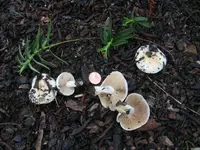
Maintain a thin, continuous layer of hardwood leaf litter over the inoculated area to stabilize moisture and temperature, but avoid thick, compacted layers that can create anaerobic (oxygen-poor) conditions.

Minimal soil disturbance

Mark inoculated zones and avoid digging, raking, or heavy foot traffic there, since fine root tips and fungal mycelium are easily damaged by repeated disturbance.

Targeted moisture monitoring

Use a simple soil probe or thin stick to check moisture at 5–10 cm depth and irrigate only when the upper layer is drying, which prevents both desiccation and waterlogging of the mycorrhizal zone.

Selective fruiting harvest

When collecting fruiting bodies, cut them at the base rather than pulling up the whole cluster, and leave some intact mushrooms to allow continued spore release and support long-term colony stability when caring for Hebeloma cavipes.

Common Pests and Diseases

Fungivorous fly larvae

This pest targets the developing fruit bodies and mycelium, tunneling through caps and stems and causing misshapen or collapsing mushrooms. Symptoms include small entry holes, internal galleries, and soft, discolored tissue.

Solution

Remove and discard infested fruit bodies promptly and reduce surface moisture around the colony to make conditions less favorable. In controlled culture, use fine mesh barriers, yellow sticky traps, and good hygiene (clean tools, fresh substrate) to limit adult fly access and egg laying.

Mite infestations

These insects feed on mycelium and young primordia, leading to uneven or stunted growth and a powdery or speckled appearance on the substrate surface. Symptoms include reduced colonization speed and malformed or aborted fruit bodies.

Solution

Discard heavily infested cultures and start from clean spawn, and keep the growing area clean and free of decaying organic debris that supports mite populations. In small setups, isolate affected containers and lower humidity slightly while improving airflow, then restart with sterilized substrate to break the cycle when growing Hebeloma cavipes.

Green mold (Trichoderma)

This disease appears as fast-spreading white mycelium that soon turns bright green, overrunning Hebeloma mycelium and preventing normal fruiting. Symptoms include a strong earthy odor, patchy growth, and sudden dieback of the target mycelium.

Solution

Immediately remove and discard contaminated substrate or containers to avoid spore spread, and do not attempt to rescue heavily infected cultures. For future cycles, improve sterilization or pasteurization of substrate, reduce handling once inoculated, and maintain good ventilation to prevent condensation and localized wet spots that favor Trichoderma.

Bacterial blotch

This disease causes greasy, water-soaked, yellow to brown spots on caps and sometimes stems, which may become slimy under very humid conditions. Symptoms include localized softening of tissues and poor appearance of fruit bodies.

Solution

Remove and discard affected mushrooms and slightly reduce humidity while increasing gentle air movement to dry cap surfaces between misting events. In culture conditions, avoid overhead splashing, use clean water, and disinfect tools and work surfaces regularly to maintain good hygiene as part of Hebeloma cavipes care instructions.

Interesting Facts

Cold-adapted fruiting

This species is known to fruit in late autumn and even early winter in temperate Europe, often appearing when many other agarics have already disappeared from the season.

Distinct stem cavity

Mature specimens typically develop a pronounced hollow stem, which inspired the epithet cavipes, meaning hollow-footed, and helps distinguish it from several similar Hebeloma species.

Strong radish-like odour

Fresh fruitbodies usually emit a noticeable radish-like smell caused by volatile organic compounds that are characteristic of several Hebeloma taxa but are especially marked in this species.

FAQs about Hebeloma cavipes

This mushroom is considered inedible and potentially poisonous. It belongs to a group with many toxic look-alikes and causes gastrointestinal upset if eaten. It should never be collected for food or tasted in any form.

Grow Healthy Plants with Botan Care

Keep your plants happy and healthy with plant identification, disease detection, and easy care guidance.

Botan plant care app — identify plants on mobile

Explore More Plants