Pycnoporellus fulgens Care

Pycnoporellus fulgens

About Pycnoporellus fulgens

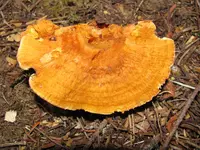
Pycnoporellus fulgens is a wood-decaying bracket fungus, not a leafy houseplant. It forms bright orange to reddish, soft, fleshy shelves on dead or very decayed conifer wood. The fruiting bodies often appear in overlapping tiers and can stand out strongly against dark bark or mossy logs.

This species occurs mainly in boreal and cool temperate forests in the Northern Hemisphere, especially in areas with old spruce or fir. It depends on well-rotted wood and stable moisture, which makes it hard to cultivate deliberately. For anyone trying to care for Pycnoporellus fulgens in controlled conditions, the main challenges are providing the right host wood, cool temperatures, and consistently damp but not waterlogged surroundings.

Main Plant Requirements

Care Difficulty

Hard Care

Light Preference

Shade

Water Requirements

Keep Soil Moist

Temperature Preference

Cool Climate

Hardiness Zone

Unknown

Soil Texture

Organic-rich, Peaty

Soil pH

Acidic (5.5–6.5)

Soil Drainage

Moist but well-drained

Fertilization

Minimal (feed rarely)

Get Personalized Care Plan

Scan your plant to receive care tips personalized for your specific plant

Available on iOS and Android

How to Care for the Pycnoporellus fulgens

This wood-decaying fungus prefers cool, shaded forest conditions rather than direct open sun.

  • Provide bright shade or dappled woodland light, such as under conifers or broadleaf trees, with no more than 1–2 hours of weak early-morning sun.
  • Avoid direct midday or afternoon sun, which quickly dries host logs and can desiccate fruiting bodies of Pycnoporellus fulgens.
  • In summer, increased canopy shade is beneficial; in early spring or late autumn, limited low-angle light is acceptable if humidity stays high.

Moisture management focuses on keeping the host wood consistently damp, not on direct watering of the fungus.

  • Maintain the log or stump in a naturally moist site, with soil that drains freely yet stays evenly damp in the top 5–10 cm.
  • Allow the wood surface to approach just barely dry between natural wetting events; constant saturation encourages competing molds and bacterial decay.
  • In dry, warm spells, light misting of the surrounding substrate signals low moisture, while dark, slimy patches on the wood indicate over-wet conditions.

This species thrives in cool to mild climates typical of boreal and montane forests.

  • Aim for an active growth range around 45–65°F (7–18°C), with fruiting often best in the cooler part of this band.
  • Tolerates down to about 23–28°F (-5 to -2°C) for short periods, but repeated hard freezes and thaws can damage exposed fruiting bodies.
  • Sustained heat above 75°F (24°C) combined with low humidity dries the substrate; shaded, north-facing exposures help moderate summer temperatures.

Humidity is not a primary factor for this wood-decaying fungus in typical outdoor conditions.

This bracket fungus grows on dead conifer wood rather than in soil, so substrate texture and composition are more important than garden soil choice.

  • Provide well-rotted conifer logs or stumps with high organic content instead of mineral soil.
  • Ensure the woody substrate remains evenly moist but never waterlogged, with free drainage around the log surface.
  • Avoid compacted ground contact or buried logs that restrict air flow and promote anaerobic (oxygen-poor) decay.
  • For experimental Pycnoporellus fulgens care instructions, use clean, pesticide-free wood to reduce chemical stress on developing mycelium.

This species is not well suited to conventional container growing, since it naturally colonizes large pieces of dead conifer wood rather than soil-filled pots.

This wood-decaying fungus naturally colonizes nutrient-rich dead conifer wood and does not benefit from added fertilizer.

Pycnoporellus fulgens requires no horticultural pruning because it fruits directly from decaying wood rather than forming a traditional plant canopy.

This species is not managed as a potted or garden plant, so repotting or deliberate transplanting is generally not appropriate.

  • Leave fruiting bodies on the original decaying conifer wood, which provides all structural support and nutrition.
  • Avoid cutting or moving colonized logs solely to shift the fungus, since this often disrupts the internal mycelium network.
  • If research or conservation work requires relocation, move intact wood sections during cool, moist weather to limit desiccation.
  • Place transferred wood in a shaded, humid forest-like site to approximate the original microclimate as closely as possible.

Propagation of this bracket fungus is specialized and not a routine activity for home growers, as it spreads by microscopic spores on suitable dead conifer wood.

This temperate forest fungus is cold hardy on natural host logs and does not require targeted winter care in gardens or containers.

Care Tips

Prioritize Host Selection

Choose freshly fallen or recently dead conifer logs, especially spruce or fir, with intact bark and moderate moisture, since this species colonizes and fruits best on relatively fresh, undecayed wood.

Maintain Log Moisture

Partially sink the host log into naturally moist ground or mulch around it with coarse wood chips to retain water in the wood without creating standing water, which helps sustain fruiting over multiple seasons.

Orient Logs Correctly

Position logs so that cut ends are slightly elevated and not in direct soil contact, reducing rapid decomposition and encouraging fruiting bodies to form along the sides where humidity and aeration are balanced.

Mimic Forest Shade

Site the inoculated logs under established shrubs or conifers that provide dappled shade, leaf litter, and stable temperatures, which better replicates the cool, sheltered forest microclimate this fungus prefers.

Monitor Competing Fungi

Inspect logs regularly and remove heavily colonized sections if aggressive competitors like Trametes or other bracket fungi dominate, since this can quickly displace colonies and reduce the success of growing Pycnoporellus fulgens.

Common Pests and Diseases

Competitive wood-decay fungi

This disease involves other bracket or crust fungi colonizing the same log or stump and outcompeting existing fruiting bodies. Symptoms include fading color, shrinking or distorted brackets, and new, different-colored fungi emerging nearby.

Solution

Remove and discard heavily overgrown or decayed sections of the log to slow competitors, and keep the substrate consistently moist but not waterlogged to favor stable colonization. For anyone focused on growing Pycnoporellus fulgens, starting with fresh conifer wood and limiting physical disturbance of the log helps reduce early invasion by competing species.

Wood-boring beetle larvae

These insects tunnel through the dead conifer wood that supports this fungus, loosening the structure and sometimes undermining the base of the fruiting bodies. This pest can lead to crumbling, unstable logs and premature collapse of brackets.

Solution

Cut out and discard the most heavily tunneled wood sections and stabilize remaining pieces so the fruiting bodies are supported. In managed displays, store colonized logs off bare soil and under cover during warm months to reduce beetle access, and replace substrates that become structurally weak.

Slugs and snails

These pests feed on the soft, fleshy margins of the brackets, leaving irregular chew marks, slime trails, and ragged edges. Damage is usually cosmetic but can disfigure young fruiting bodies.

Solution

Hand-remove slugs and snails in the evening or early morning and use physical barriers such as copper tape or sharp grit around display logs. Avoid scattering high-nitrogen organic debris near the substrate, since this attracts mollusks and increases feeding pressure.

Fungal desiccation and sunscald

This condition results from excessive sun and dry air, causing bleaching, cracking, and hardened surfaces on the brackets. Symptoms include dull, faded color and brittle texture instead of the usual moist, vivid orange flesh.

Solution

Move colonized wood to a shaded, cool, and sheltered position with high ambient humidity and minimal direct sun. Mist the surrounding environment, not the fruiting surface directly, and maintain even moisture in the log by occasional thorough soaking followed by full drainage.

Interesting Facts

Bright orange polypore

This species forms soft, bright orange fruiting bodies on wood, with tiny pores instead of gills on the underside, making it stand out sharply against decaying conifer logs in spring and early summer.

Cold-season decomposer

It often fruits during cool, wet periods in late winter to early summer in boreal and montane forests, contributing to the rapid breakdown of dead conifer wood when many other fungi are still inactive.

Preference for conifers

The fungus is typically associated with dead or fallen trunks and large branches of conifers such as spruce and fir, where it causes a characteristic pale, fibrous brown rot that helps release locked-up carbon and nutrients back into the forest soil.

Botan icon

Did you know?

In parts of northern Europe and North America, this fungus is considered a useful indicator of relatively undisturbed, old-growth conifer forests, so its presence can help conservationists identify woodlands with long continuity of deadwood habitats.

FAQs about Pycnoporellus fulgens

This bracket fungus is not considered edible. The fruiting body is tough, corky, and lacks culinary value. It is generally classified as inedible rather than poisonous, so it should not be collected for food.

Grow Healthy Plants with Botan Care

Keep your plants happy and healthy with plant identification, disease detection, and easy care guidance.


Botan plant care app — identify plants on mobile

Explore More Plants