Downy milk cap Care (Lactarius pubescens)

Also known as: Bearded Milkcap
Downy milk cap

About Downy milk cap

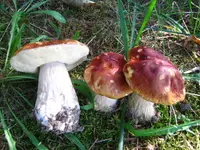
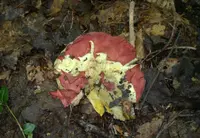
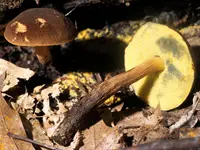
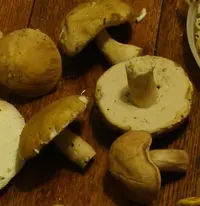
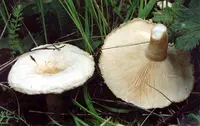
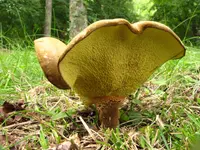
The downy milk cap, Lactarius pubescens, is a wild ectomycorrhizal fungus that forms symbiotic relationships with trees, especially birch. It produces small to medium caps with a pale, woolly or fuzzy surface and exudes a milky latex when cut.

This species occurs mainly in temperate and boreal regions of Europe, Asia, and North America, often appearing in moist, mossy woodland soils. It is not suited to typical home cultivation because it depends on living tree roots, so attempts to grow or care for Downy milk cap indoors are rarely successful.

Where it occurs naturally, it favors cool climates, acidic soils, and consistent soil moisture, usually at the edges of forests or in light woodland clearings.

Main Plant Requirements

Care Difficulty

Hard Care

Light Preference

Partial Shade

Water Requirements

Keep Soil Moist

Temperature Preference

Cool Climate

Hardiness Zone

2–7

Soil Texture

Loamy, Peaty, Organic-rich

Soil pH

Strongly acidic (4.5–5.5), Acidic (5.5–6.5)

Soil Drainage

Moist but well-drained

Fertilization

Minimal (feed rarely)

Get Personalized Care Plan

Scan your plant to receive care tips personalized for your specific plant

Available on iOS and Android

How to Care for the Downy milk cap

This mycorrhizal fungus prefers cool, bright forest conditions rather than direct, open sun exposure.

  • Aim for dappled or filtered light under birch or similar host trees, with 2–4 hours of gentle morning sun and shade or broken light for the rest of the day.
  • Downy milk cap tolerates partial to deep shade, but fruiting is typically better where scattered light reaches the forest floor rather than in dense, closed canopy.
  • Avoid strong midday and afternoon sun in exposed sites, which can dry the upper soil and leaf litter, reducing mycelium vigor and limiting mushroom formation, especially in dry summers.

This species depends on consistently moist, not waterlogged, soil in its natural woodland habitat.

  • Maintain evenly moist mineral soil with a loose leaf-litter layer; the top 2–3 cm should feel slightly damp but not soggy when checked by hand.
  • Increase natural moisture by preserving mulch and leaf litter around host trees; long dry spells that leave the top 5 cm dusty and hard can reduce Lactarius pubescens fruiting.
  • Avoid standing water or saturated clay, which encourages root and mycelium decline; prolonged puddling or foul odor in the soil indicates poor drainage that needs correction.

This fungus is adapted to cool to mild climates, with fruiting focused in late summer to autumn.

  • Optimal activity and fruiting occur around 50–65°F (10–18°C), often after rains when soil and air stay cool but not freezing for several days.
  • Growth slows noticeably above about 75°F (24°C); prolonged heat combined with dry soil can stop fruiting until temperatures fall and moisture returns.
  • Lactarius pubescens mycelium in the soil tolerates winter cold down to at least 20°F (-7°C) under insulating leaf litter but fresh fruiting bodies are damaged by hard frost and rapid freeze–thaw cycles.

Humidity is not a primary factor for Lactarius pubescens, which depends far more on its outdoor woodland environment than on ambient air moisture.

This mycorrhizal fungus needs mineral-rich, undisturbed outdoor soil rather than a manufactured potting mix.

  • Favor a naturally loamy to sandy soil with moderate organic matter, typically found under birch or similar hosts, where fine roots are abundant.
  • Ensure the site drains freely after rain; avoid compacted clay and spots where water pools or stays saturated for more than 24 hours.
  • Aim for slightly acidic soil, roughly pH 4.5–6.0, which is common in leaf-littered forest floors with ongoing needle or leaf decomposition.
  • Improve aeration and drainage in marginal sites by lightly incorporating coarse sand or fine gravel into the upper 5–10 cm without disturbing tree roots.

This species is not suitable for container growing because it relies on a complex mycorrhizal partnership with living tree roots in natural soil.

Lactarius pubescens is a wild mycorrhizal fungus that normally does not need direct fertilization when growing in the ground with its host tree.

Pruning is not a management practice for Lactarius pubescens, since it is a fungus that fruits from underground mycelium rather than forming stems or branches.

Transplanting focuses on moving the tree or soil community that supports Lactarius pubescens rather than the fungus itself.

  • Avoid frequent disturbance; only move associated young host trees when necessary, as the fungal mycelium is sensitive to soil disruption.
  • Transplant in cool, moist seasons such as early spring or fall to reduce stress on roots and fungal partners.
  • Dig a wide root ball, keeping as much original soil and fine roots as possible to preserve mycorrhizal connections.
  • Water thoroughly after transplanting and maintain even soil moisture so the tree and fungal association can reestablish.

Propagation of Lactarius pubescens is specialized and typically left to natural spore dispersal and mycorrhizal spread rather than home methods.

This species is cold hardy in its native ranges and usually needs no special winter care when established with hardy host trees.

Care Tips

Match Host Trees

Establish this mycorrhizal fungus only near compatible hosts such as birch, since the hyphae must form a root partnership to fruit reliably when growing Downy milk cap.

Avoid Soil Disturbance

Limit digging, raking, or heavy foot traffic in the fruiting area so the underground mycelium network stays intact and can produce mushrooms year after year.

Maintain Leaf Litter

Leave a thin layer of natural leaf litter or fine wood chips over the soil to protect mycelium from drying, buffer temperature swings, and gradually supply organic matter.

Control Competitive Fungi

Remove obvious clumps of aggressive saprophytic mushrooms in the immediate area and avoid adding rich composts that may encourage competing fungal species.

Light, Targeted Watering

Use a fine-rose watering can or gentle sprinkler to moisten the upper soil without creating puddles, focusing on the root zone of the host tree rather than the mushroom caps.

Common Pests and Diseases

Mycophagous slugs

This pest feeds directly on mushroom caps and stems, leaving irregular holes and slime trails on fruiting bodies of the fungus.

Solution

Hand-pick slugs at dusk or early morning, use beer traps or shallow dishes with yeast bait, and place copper tape or rough barriers around the fruiting area; keep nearby vegetation trimmed to reduce moist hiding spots.

Fungus gnat larvae

These insects develop in damp, organic-rich soil and can tunnel through young mushroom primordia, causing distortion, browning, or collapse of emerging fruiting bodies.

Solution

Allow the top layer of the substrate or soil to dry slightly between waterings, use yellow sticky traps for adults, and, where permitted, drench the substrate with a biological control such as Bacillus thuringiensis israelensis to reduce larvae populations.

Mite infestation

These insects, such as certain Tyrophagus and Tarsonemus species, can colonize the substrate or gills, grazing on spores and tissues and leading to deformed or stunted fruiting bodies.

Solution

Reduce excess moisture and organic debris, avoid overhandling wild-collected material, and, in cultivation settings, use clean tools and fresh substrate; for persistent issues, remove and discard heavily infested patches and reset the growing area with strict hygiene.

Green mold contamination

This disease, often caused by Trichoderma species, appears as dense green patches on substrate or near mushroom bases, competing with the mycelium and suppressing or deforming fruiting bodies.

Solution

Promptly remove and discard contaminated substrate and nearby debris, lower excessive humidity, improve air exchange, and start new cultures or inoculum from clean material to prevent reintroduction of spores when trying to grow Lactarius pubescens.

Bacterial blotch

This disease causes greasy, water-soaked spots and discoloration on caps, which may become slimy under very wet conditions.

Solution

Reduce overhead watering, increase air movement to dry surfaces more quickly, avoid splashing soil or debris onto caps, and remove and discard severely affected mushrooms to limit spread in dense fruiting patches.

Interesting Facts

Host-specific mycorrhiza

This fungus forms ectomycorrhizal associations almost exclusively with birch (Betula) species, exchanging mineral nutrients for sugars from the tree roots and strongly influencing birch forest soil chemistry.

Distinctive latex reaction

When the gills are damaged, they exude a white milky latex that often turns yellowish on exposure to air, a key diagnostic feature that helps separate it from similar pale Lactarius species in the field.

Hairy cap adaptation

The cap surface is densely hairy to felted, especially in young specimens, which likely helps reduce water loss and protect the fruiting body in exposed, dry, or sandy birch habitats.

Botan icon

Did you know?

In some northern European regions, this species has traditionally been eaten only after extensive processing such as long soaking and parboiling, reflecting its acrid, irritating raw taste and the strong local knowledge required to distinguish and handle it safely.

FAQs about Downy milk cap

This mushroom is generally considered inedible or mildly toxic. It contains acrid, irritating compounds that can cause gastrointestinal upset if eaten. It is not recommended for consumption, even after cooking or processing.

Grow Healthy Plants with Botan Care

Keep your plants happy and healthy with plant identification, disease detection, and easy care guidance.

Botan plant care app — identify plants on mobile

Explore More Plants