Ugly Milkcap Care (Lactarius turpis)

Ugly Milkcap

About Ugly Milkcap

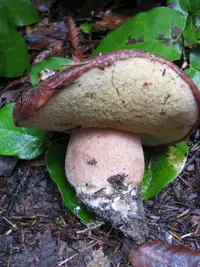
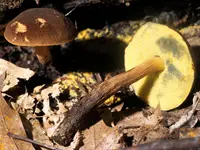
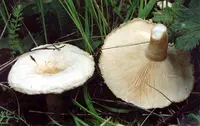
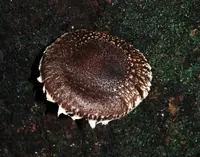
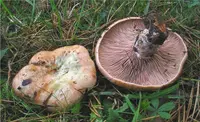
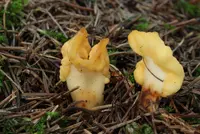
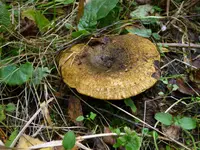
Ugly milkcap, Lactarius turpis, is a wild mushroom-forming fungus rather than a traditional houseplant. It appears as dark olive to brown caps with pale gills that exude milky latex when damaged. This species typically grows in damp coniferous and mixed woodlands, most often in association with birch, forming mycorrhizal partnerships with tree roots.

Because it depends on these tree-root relationships, it is not practical to cultivate in ordinary garden or indoor conditions. For those studying how to care for Ugly Milkcap, the focus is usually on conserving its woodland habitat rather than active cultivation.

Main Plant Requirements

Care Difficulty

Hard Care

Light Preference

Partial Shade

Water Requirements

Keep Soil Moist

Temperature Preference

Cool Climate

Hardiness Zone

Unknown

Soil Texture

Loamy, Peaty, Organic-rich

Soil pH

Strongly acidic (4.5–5.5), Acidic (5.5–6.5)

Soil Drainage

Moist but well-drained

Fertilization

Minimal (feed rarely)

Get Personalized Care Plan

Scan your plant to receive care tips personalized for your specific plant

Available on iOS and Android

How to Care for the Ugly Milkcap

This mycorrhizal fungus prefers cool, low to moderate light woodland conditions rather than open sun.

  • Provide bright dappled shade under conifers or birch, with only 1–3 hours of weak morning sun and no harsh afternoon sun to prevent drying of the fruiting zone.
  • Ensure the forest floor or planting area is shaded by canopy or shrubs, as direct sun for more than 3–4 hours can overheat mycelium and reduce Ugly Milkcap fruiting.
  • In summer, rely on leaf canopy for filtered light; in early spring or late fall, compensate for stronger sun with thicker leaf litter or mulch to protect the shaded microclimate.

This ectomycorrhizal mushroom depends on consistently moist, not waterlogged, soil around its tree partners.

  • Aim for soil that feels evenly moist 5–8 cm deep; if the upper 2–3 cm are dry and crumbly, recent rainfall or gentle irrigation is helpful for Lactarius turpis development.
  • Use well-drained, humus-rich soil so water moves through within a few hours, avoiding standing puddles that promote rot and reduce oxygen around the fungal mycelium.
  • During hot, dry periods, watch for cracked soil and sparse fruiting as signs of drought stress; after prolonged saturation, look for sour odors or slimy patches as warning signs of overwatering.

This species thrives in cool, temperate conditions typical of boreal and northern mixed forests.

  • Optimal fruiting usually occurs around 50–60°F (10–16°C), with steady cool temperatures supporting sustained mycelial activity beneath the soil surface.
  • The fungus tolerates down to about 32°F (0°C) in dormant stages but fresh fruitbodies are easily damaged by hard frost below 28°F (-2°C), which can stop visible growth.
  • In hot spells above 75°F (24°C), fruiting declines and caps dry quickly, so shade, leaf litter, and soil moisture are important to buffer temperature swings through summer and early fall.

This ectomycorrhizal fungus prefers consistently moist, humid forest conditions rather than dry air.

  • Target 70–90% humidity in the surrounding environment, similar to damp coniferous woodland.
  • Low humidity or drying winds cause caps and gills to crack, curl, or darken prematurely.
  • Maintain moisture by leaving leaf litter, wetting surrounding soil lightly, or using windbreaks around Ugly Milkcap patches.

This mycorrhizal mushroom depends on specific forest soil conditions rather than a conventional potting mix.

  • Lactarius turpis thrives in cool, moist, organic-rich, slightly compacted forest soil around conifers, with abundant leaf litter and decaying needles.
  • Aim for slightly acidic conditions, roughly pH 4.5–6.0, avoiding lime additions that push the soil toward alkaline.
  • Encourage drainage and aeration by having a loose upper layer of litter over denser mineral soil, not by adding perlite or sand as for garden plants.
  • Avoid heavily disturbed, fertilized, or chemically treated soils, since excess nutrients and residues can disrupt the tree–fungus partnership.

This species is not suitable for container growing, because it relies on complex root partnerships in natural forest soil that containers cannot replicate reliably.

This wild mycorrhizal fungus usually needs no fertilization when associated with suitable host trees.

Lactarius turpis does not require pruning because the visible mushroom is a temporary fruiting body, not a long-lived plant structure.

This fungus is not suited to typical container culture, so management focuses on where host trees grow rather than repotting.

  • Avoid disturbing soil where the fungus naturally associates with tree roots, as this can damage the mycorrhizal network.
  • If moving young host trees, transplant in cool, moist seasons to reduce root stress and maintain some native soil around the root ball.
  • Choose planting sites with similar soil type, drainage, and pH to support the existing fungal partnership and reduce transplant shock.

Ugly Milkcap is a mycorrhizal fungus, so standard plant propagation methods do not apply and deliberate propagation is rarely attempted.

This species is naturally cold hardy in its native range and does not require specific winter care interventions.

Care Tips

Host tree selection

Establish the fungus only near compatible host trees such as birch, spruce, or pine, since this mycorrhizal species depends on their roots rather than organic substrates or wood chips.

Minimal soil disturbance

Keep the rooting zone around host trees undisturbed by avoiding cultivation, edging, or frequent digging, as this protects the fine mycorrhizal threads that support fruiting.

Leaf litter management

Allow a natural layer of leaf litter and fine organic debris to accumulate under the host trees, since this maintains moisture, moderates soil temperature, and creates a stable environment for the mycelium.

Targeted irrigation practice

When seasonal conditions are unusually dry, irrigate the dripline area of host trees deeply but infrequently, keeping the soil slightly moist without waterlogging to support reliable mushroom formation when trying to grow Lactarius turpis.

Careful foot traffic control

Limit walking and compaction over regular fruiting spots by using marked paths or stepping stones, since soil compaction reduces aeration and damages the underground mycelial network.

Common Pests and Diseases

Mycophagous slugs

This pest feeds on the fruiting bodies, rasping away caps and gills and leaving irregular holes and slime trails on and around mushrooms.

Solution

Hand-pick slugs during damp evenings, use ring barriers of copper tape or coarse grit around fruiting areas, and reduce dense groundcover that shelters them; in outdoor settings, iron phosphate slug baits can be used sparingly around but not directly on mushrooms.

Fungus gnats

These insects lay eggs in moist organic substrates, and their larvae tunnel through developing fruiting bodies, causing distortion, internal browning, and premature collapse.

Solution

Reduce excess surface moisture, use fine insect mesh over cultivation beds, and apply yellow sticky traps to intercept adults; in controlled setups, a biological control such as Bacillus thuringiensis israelensis (Bti) in the substrate can reduce larvae without contaminating edible mushrooms.

Parasitic Hypomyces

This disease is caused by parasitic fungi (often Hypomyces species) that overgrow mushroom caps and gills with a whitish to yellow or greenish crust, deforming and eventually killing the fruiting bodies.

Solution

Promptly remove and discard all visibly infected mushrooms and nearby debris, avoid injuring fruiting bodies during harvest, and improve spacing and airflow around host trees and fruiting zones to reduce prolonged surface moisture that favors infection.

Bacterial blotch

This disease leads to greasy, water-soaked, or olive‑brown spots and streaks on caps, often starting where water droplets persist on the mushroom surface.

Solution

Limit overhead watering, avoid splashing soil onto caps, and ensure good air circulation so surfaces dry quickly; remove and discard blotched mushrooms and keep tools and containers clean to reduce bacterial spread during handling.

Interesting Facts

Darkening milk reaction

When the gills or cut flesh are damaged, the white latex of this fungus rapidly turns greenish, then almost black, a chemical oxidation process that helps distinguish it from many other milkcaps.

Bog and conifer specialist

This species occurs mainly in nutrient-poor, acidic habitats such as peat bogs and wet coniferous forests, where it forms ectomycorrhizal partnerships with trees like spruce and pine.

Edible only after processing

In parts of Eastern Europe and Russia it is traditionally eaten only after prolonged soaking, boiling, and pickling, which reduce its natural bitterness and gastrointestinal irritants.

Botan icon

Did you know?

Lactarius turpis can bioaccumulate certain heavy metals from contaminated soils, which makes it useful as a bioindicator species but also means wild-collected fruiting bodies from polluted areas may be unsafe to eat.

FAQs about Ugly Milkcap

This mushroom is considered inedible to mildly toxic in many sources. It can cause gastrointestinal upset if eaten raw or improperly processed. It is not recommended for casual foraging or home consumption.

Grow Healthy Plants with Botan Care

Keep your plants happy and healthy with plant identification, disease detection, and easy care guidance.

Botan plant care app — identify plants on mobile

Explore More Plants