Hebeloma excedens Care

Hebeloma excedens

About Hebeloma excedens

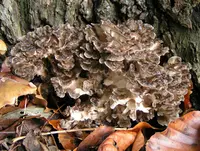
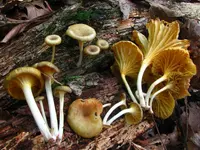
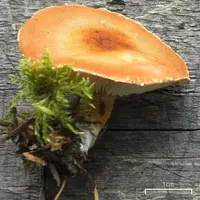
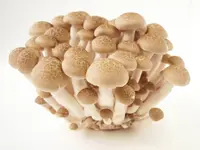
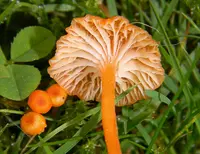
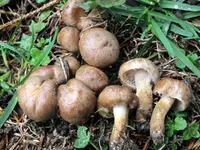
Hebeloma excedens is a small to medium-sized mushroom-forming fungus rather than a typical leafy houseplant. It produces pale to brownish caps with closely spaced gills and a slender stem, usually appearing in groups.

This species is associated with trees and often grows in woodland soils, forest edges, or similar humus-rich habitats in temperate regions. It is not commonly cultivated, and attempts to care for Hebeloma excedens at home are experimental, as it depends on complex relationships with tree roots.

In nature it prefers moist, well-drained, organic soils and seasonal light variations found under a tree canopy, conditions that are difficult to reproduce indoors or in containers.

Main Plant Requirements

Care Difficulty

Moderate Care

Light Preference

Partial Shade

Water Requirements

Moderate Water

Temperature Preference

Warm Climate

Hardiness Zone

Unknown

Soil Texture

Loamy

Soil pH

Slightly acidic (6.5–7.0)

Soil Drainage

Well-drained

Fertilization

Minimal (feed rarely)

Get Personalized Care Plan

Scan your plant to receive care tips personalized for your specific plant

Available on iOS and Android

How to Care for the Hebeloma excedens

This woodland fungus prefers soft, filtered light similar to dappled forest shade.

  • Provide bright, indirect light or dappled shade, with about 2–4 hours of gentle morning sun and protection from harsh midday and afternoon sun.
  • Site Hebeloma excedens under deciduous trees or shrubs where foliage filters light, mimicking natural understory conditions throughout the growing season.
  • Watch for pale, elongated fruiting bodies as a sign of insufficient light, and for scorched or dried caps as a sign of too much direct sun.

This species thrives in consistently moist but not waterlogged soil.

  • Aim for soil that stays evenly moist to a depth of 5–8 cm, allowing the surface 1–2 cm to lose gloss and feel damp rather than soggy before the next rainfall or irrigation.
  • Use humus-rich, well-drained soil so water can percolate freely; standing water or sour, swampy smells indicate poor drainage and risk of rot.
  • Increase moisture input during warm, dry spells and reduce it in cool, wet seasons, watching for shriveling caps as a sign of drought stress and slimy, collapsing tissue as overwatering damage.

This fungus prefers cool to mild conditions typical of temperate woodlands.

  • Support best development at 50–68°F (10–20°C), conditions common in spring and fall in many temperate regions.
  • Avoid hard frost below about 28°F (-2°C), which can damage fruiting bodies; mycelium in soil is often more cold-tolerant but still benefits from insulating leaf litter.
  • Limit exposure to prolonged heat above 77–82°F (25–28°C), as sustained high temperatures and dry soil sharply reduce fruiting and may cause structures to dry and collapse.

This species is not suited to controlled indoor cultivation, and humidity management is generally irrelevant for typical outdoor observation of Hebeloma excedens.

This mushroom associates with tree roots and is not realistically grown in pots or beds, so soil preparation focuses on supporting its natural woodland habitat rather than direct cultivation.

  • Hebeloma excedens typically appears in moist, humus-rich forest soil with a loose, crumbly texture overlain by leaf litter.
  • It favors well-drained mineral soils with organic matter, avoiding compacted or waterlogged ground that limits gas exchange around tree roots.
  • A slightly acidic to neutral pH around 5.5–7.0 is typical of the mixed woodlands where this ectomycorrhizal fungus occurs.
  • Improving a woodland site by leaving leaf litter, small woody debris, and avoiding heavy machinery helps maintain aeration and the structure this species requires.

This ectomycorrhizal fungus is not suitable for typical container growing, as it relies on complex root associations and soil ecology that cannot be maintained in pots.

This mycorrhizal fungus is not managed like a typical garden plant and generally should not be fertilized directly.

Hebeloma excedens is not pruned in the usual horticultural sense, since its visible part is only the seasonal fruiting body.

This species is best left in undisturbed soil where it forms natural mycorrhizal relationships with host plants.

  • Avoid moving fruiting clumps, as disturbing the soil can damage the underground mycelium network.
  • If relocation is necessary, move associated host plants with as much native soil as possible, keeping roots intact.
  • Transplant only during cool, moist weather to reduce stress on both host roots and fungal mycelium.
  • After any disturbance, water the area gently to settle soil without compacting it.

Propagation of this fungus is specialist work and is not typically performed by home gardeners.

This temperate woodland fungus is naturally cold hardy and does not need targeted winter care in gardens.

Care Tips

Substrate pasteurization

Before inoculation, heat-treat the chosen substrate at 60–70°C for 30–60 minutes to reduce competing fungi and bacteria without fully sterilizing, which helps this mycorrhizal species establish more reliably.

Host root selection

Pair cultures with appropriate host tree seedlings or saplings, such as compatible conifers or broadleaf species from local provenance, since this fungus forms mycorrhizae and performs best when matched to regionally adapted hosts.

Inoculation timing

Introduce spawn or colonized substrate at the start of the active root growth period in spring or early fall so new fine roots can be colonized quickly, improving establishment and long‑term stability.

Moisture buffering layer

Apply a thin, airy mulch layer such as coarse wood chips or pine needles over the inoculated zone to buffer surface moisture and temperature without smothering gas exchange.

Monitoring competition

Regularly inspect the colonized area for aggressive saprotrophic fungi or dense weed roots, and gently remove or thin competing growth to keep conditions favorable for growing Hebeloma excedens around its host roots.

Common Pests and Diseases

Fungivorous springtails

These insects feed on fungal tissue and can cluster on caps and around the base of fruiting bodies, sometimes scarring young mushrooms and interfering with spore production. Symptoms include pitted caps, small feeding holes, and tiny jumping white or gray insects in the substrate or leaf litter.

Solution

Reduce excessive moisture and improve surface drainage around the fruiting area, then gently disturb and dry the top layer of substrate so it is just slightly moist, not waterlogged. If populations remain high, use targeted biological controls such as beneficial nematodes in the surrounding soil and remove heavily damaged fruiting bodies to limit food sources.

Sciarid fungus gnats

These insects lay eggs in moist, organic substrates, and the larvae feed on fungal mycelium and developing primordia, leading to deformed or aborted fruiting bodies. Symptoms include tunneled stems, distorted caps, and small black gnats hovering low over the substrate.

Solution

Allow the upper substrate or litter layer to dry slightly between waterings and avoid standing water, which helps break the gnat life cycle. Sticky traps placed near the fruiting area reduce adult numbers, and a drench with Bacillus thuringiensis israelensis (Bti) in surrounding soil can target larvae without harming the fungus when applied according to label directions.

Parasitic Hypomyces infection

This disease is caused by parasitic fungi such as Hypomyces species that overgrow mushroom caps and stems with a white, then often colored, felt-like layer, eventually preventing normal spore release. Symptoms include distorted, thickened, or entirely overgrown fruiting bodies that fail to develop typical gills and coloration.

Solution

Remove and discard all visibly parasitized mushrooms and adjacent substrate to reduce inoculum, handling them last and cleaning tools afterward to avoid spreading spores. Improve air movement and avoid prolonged surface wetness by watering earlier in the day and from the side rather than directly over caps, which lowers the chance of new infections when growing Hebeloma excedens clusters in managed beds.

Bacterial blotch

This disease causes greasy, yellow to brown spots or streaks on caps and sometimes stems, often associated with persistent surface moisture and warm conditions. Symptoms include soft, water-soaked lesions that may coalesce and lead to rapid decay of the fruiting body surface.

Solution

Limit overhead watering and keep caps as dry as possible, aiming for high humidity in the surrounding air but a relatively dry cap surface. Remove and discard affected mushrooms promptly, then improve air circulation and avoid splashing soil or debris onto caps, which reduces bacterial spread and favors healthier future flushes.

Interesting Facts

Northern conifer associate

This species forms ectomycorrhizal partnerships with conifer trees, especially pines and spruces, in cool to cold climates of northern Europe and similar regions, helping roots access nutrients in poor, acidic soils.

Cold-season fruiting

Fruiting bodies often appear in late autumn and early winter, sometimes after frosts, reflecting adaptation to low-temperature soil conditions where fewer competing fungi are active.

Distinctive odor profile

Fresh specimens commonly produce a radish-like or earthy smell, a typical trait in the genus Hebeloma, which field mycologists use as one of several characters to help confirm identification of this species.

FAQs about Hebeloma excedens

This mushroom is not recommended for consumption. The genus includes several toxic species, and identification is difficult even for specialists. Treat it as inedible and avoid tasting or using it as food under any circumstances.

Grow Healthy Plants with Botan Care

Keep your plants happy and healthy with plant identification, disease detection, and easy care guidance.

Botan plant care app — identify plants on mobile

Explore More Plants