Cleanroom-style hygiene
Before any work, disinfect tools, wipe surfaces with 70% isopropyl alcohol, and tie back hair to reduce contamination that can overtake slow-growing Hypsizygus marmoreus spawn.

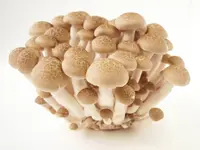
Beech leech, Hypsizygus marmoreus, is an edible wood-decay fungus often grown as a specialty mushroom rather than a traditional foliage plant. It forms tight clusters of small, pale to brown caps on short stems, usually emerging from hardwood logs or sawdust blocks. In nature, it occurs on dead or dying beech and other broadleaf trees in temperate regions. It prefers cool, stable conditions with consistent moisture and good air flow, which guides how to care for beech leech in a home or hobby setup. Its need for a clean substrate and controlled humidity makes it moderately challenging for complete beginners but manageable with basic preparation.

Care Difficulty
Hard Care

Light Preference
Shade

Water Requirements
Keep Soil Moist

Temperature Preference
Cool Climate

Hardiness Zone
Unknown

Soil Texture
Organic-rich, Peaty

Soil pH
Acidic (5.5–6.5)

Soil Drainage
Moist but well-drained

Fertilization
Minimal (feed rarely)
Scan your plant to receive care tips personalized for your specific plant
Available on iOS and Android
Hypsizygus marmoreus prefers cool, shaded woodland-style light rather than direct sun exposure.
This fungus needs consistently moist, not soggy, substrate to maintain healthy mycelium and fruiting.
This species performs best in cool to mild conditions, similar to a shaded woodland floor.
This fungus prefers consistently high humidity to form healthy, dense clusters.
For reliable fruiting, this species requires a structured, well-aerated, lignin-rich substrate rather than typical garden soil.
This fungus is well suited to container production in bags, buckets, or tubs when moisture and gas exchange are controlled carefully.
Hypsizygus marmoreus grown in logs or sterilized substrate needs only light nutrient support rather than routine houseplant-style feeding.
Pruning Hypsizygus marmoreus focuses on hygiene and managing spent fruiting bodies rather than shaping a woody plant.
This species is not repotted like a typical potted plant; instead, colonized blocks, bags, or logs are shifted or replaced as they age.
Propagation of this fungus relies on controlled culture methods rather than casual home techniques used for many garden plants.
Outdoor Hypsizygus marmoreus on hardwood logs handles cool conditions fairly well but benefits from basic winter protection in colder regions.

Plant Health Check
Not sure what's wrong with your plant? Check your plant's health inside the app.
This species naturally occurs in both a white form (often sold as white beech or white buna shimeji) and a brown form (brown beech or brown buna shimeji), which differ in cap pigmentation but are the same species genetically.
In nature, this fungus is most often found on dead or dying wood of beech trees in temperate forests, where it helps decompose lignin and cellulose and returns locked-up nutrients to the soil.
Commercial cultivation was first developed and refined in Japan in the mid‑20th century, and modern strains have been bred for uniform cluster formation, mild flavor, and longer storage life compared with wild populations.

Genetic and breeding work on this species has produced commercial strains that fruit reliably in dense, multi-tiered clusters, allowing very high yields in vertical indoor farms compared with many other cultivated wood‑decay mushrooms.
This species is an edible culinary mushroom, commonly sold as buna-shimeji. It must always be cooked, as raw flesh can be hard to digest. Use clean, uncontaminated substrates and avoid consuming wild specimens unless identified by an expert.
Keep your plants happy and healthy with plant identification, disease detection, and easy care guidance.