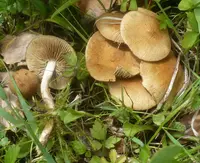
pale poisonpie Care (Hebeloma leucosarx)

pale poisonpie

About pale poisonpie

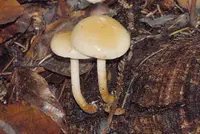
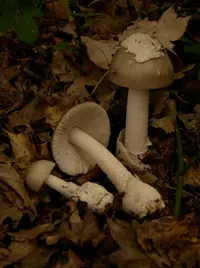
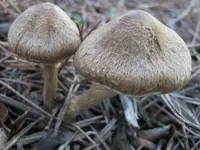
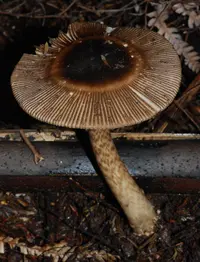
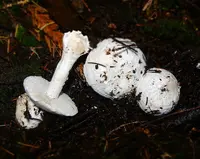
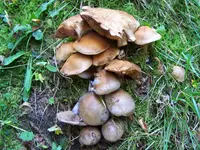
Pale poisonpie, Hebeloma leucosarx, is a small to medium gilled mushroom rather than a true garden plant. It typically has a pale cream to light tan cap, slim stem, and crowded brownish gills as it matures. This species often appears in grass, woodland edges, and disturbed soil in temperate regions, especially in late summer and autumn.

It forms symbiotic relationships with tree roots, so it usually grows in the ground near trees rather than in pots. Because it is a wild, mycorrhizal fungus, it is not considered easy to cultivate intentionally, and attempts to care for pale poisonpie at home are rarely successful.

It generally prefers cool, moist conditions and undisturbed, fertile soil with organic matter.

Main Plant Requirements

Care Difficulty

Hard Care

Light Preference

Partial Shade

Water Requirements

Keep Soil Moist

Temperature Preference

Cool Climate

Hardiness Zone

Unknown

Soil Texture

Loamy, Silty, Organic-rich

Soil pH

Acidic (5.5–6.5), Slightly acidic (6.5–7.0)

Soil Drainage

Moist but well-drained

Fertilization

Minimal (feed rarely)

Get Personalized Care Plan

Scan your plant to receive care tips personalized for your specific plant

Available on iOS and Android

How to Care for the pale poisonpie

This woodland fungus prefers cool, soft light rather than direct, intense sun exposure.

  • Provide dappled or filtered light under trees or shrubs, with 2–4 hours of gentle morning sun and full shade by midafternoon.
  • Avoid strong midday and afternoon sun, which can dry the substrate quickly and stress pale poisonpie fruiting bodies.
  • In summer, choose north- or east-facing woodland edges; in cooler seasons, slightly more open shade still protects from drying winds and glare.

This fungus needs consistently moist, but not waterlogged, soil around its host trees.

  • Maintain evenly moist soil, letting only the top 1–2 cm start to dry before re-wetting, especially during active mushroom fruiting.
  • Use well-drained, humus-rich soil so excess water can run off; standing water or sticky mud indicates poor drainage and risk of rot.
  • In dry, warm periods, increase moisture with gentle, frequent soaking; in cool, wet seasons, reduce added water and watch for sour or swampy odors as a sign of overwatering.

This species prefers cool to mild conditions typical of temperate woodlands.

  • Support mycelium growth in a range of about 50–65°F (10–18°C), with short periods up to 70°F (21°C) tolerated if soil stays moist.
  • Protect from hard frost below about 25°F (−4°C), which can damage surface mycelium and fruiting bodies, though deeper soil may buffer brief cold snaps.
  • In hot spells above 75–80°F (24–27°C), rely on shade, leaf litter, and soil moisture to keep the rooting zone cooler than ambient air.

Humidity is not a primary factor for Hebeloma leucosarx, which focuses more on soil and site conditions than air moisture.

Hebeloma leucosarx fruiting relies on suitable outdoor ground conditions rather than a potting mix.

  • Aim for moist, well-drained, loamy soil with plenty of organic matter, such as leaf litter and compost, to mimic natural woodland conditions.
  • Maintain a slightly acidic to neutral pH around 5.5–7.0, avoiding strongly alkaline or saline substrates that disrupt fungal development.
  • Improve aeration and drainage in heavy clay by incorporating coarse sand and fine bark, preventing prolonged waterlogging around the fungal mycelium.
  • Avoid compacted, highly disturbed, or sterilized soils, since these reduce microbial partners and lower the chances of establishing fruiting bodies.

This species is not well suited to container growing, as it depends on complex soil and root associations that are difficult to reproduce in pots.

This wild mycorrhizal fungus grows best with minimal fertilization, relying mainly on its tree partners for nutrients.

Hebeloma leucosarx does not require pruning, since the mushroom fruiting bodies are temporary structures.

Transplanting focuses on preserving the fungus’s association with its host tree roots rather than moving individual fruiting bodies.

  • Transplant only when relocating young host trees, keeping as much original rootball and surrounding soil intact as possible.
  • Carry out moves in cool, moist conditions during early spring or fall to limit stress and desiccation of the mycelium.
  • Avoid washing roots; instead, slide the rootball into a slightly larger hole with similar soil texture and organic content.
  • Water gently after transplanting to settle soil around roots and maintain consistent moisture without waterlogging.

Reproducing this ectomycorrhizal fungus is specialized and rarely attempted in home settings, so practical propagation guidance is limited.

This temperate woodland mushroom is naturally cold hardy and normally needs no specific winter care.

Care Tips

Check host roots

Before inoculating soil, inspect potential host plant roots (commonly trees or shrubs) to ensure they are healthy, white, and actively growing, since strong ectomycorrhizal partners greatly improve the success of growing pale poisonpie.

Use spawn slurries

For larger outdoor beds, blend colonized grain spawn with non-chlorinated water to create a slurry, then drench the intended tree root zone to spread mycelium more evenly than using a few solid spawn patches.

Control competing fungi

When establishing a bed, remove woody debris heavily colonized by other mushrooms and replace with relatively fresh leaf litter or woodchips so the mycelium has less competition while it spreads.

Seasonal moisture mapping

Mark and monitor the site across seasons to identify spots that stay evenly moist but not flooded, then concentrate new inoculations in these micro-sites to improve long-term colony stability.

Minimal disturbance zones

Once mycelium is established, restrict digging, edging, or deep raking within the colonized root zone so the fine mycelial network remains intact and fruiting continues reliably year to year.

Common Pests and Diseases

Fungivorous mites

These insects feed on fungal tissue and spores, leaving pitted, discolored, or collapsing caps and gills on developing mushrooms. This pest is common in humid, organic substrates where pale poisonpie fruits.

Solution

Remove and discard heavily infested fruiting bodies and reduce excessive surface moisture by improving air movement around the patch. For semi-controlled cultivation, use clean, pasteurized substrate and fine mesh barriers over vents to limit mite entry while maintaining adequate airflow for growing pale poisonpie.

Sciarid fly larvae

This pest consists of small black fungus gnats whose larvae tunnel through caps and stems, causing soft, water-soaked areas and premature decay of fruiting bodies. Symptoms include distorted mushrooms and rapid breakdown of affected clusters.

Solution

Physically remove and discard infested mushrooms and avoid overwatering the substrate, which favors larval development. In controlled settings, use fine mesh over openings, sticky traps for adult flies, and allow the surface of the substrate to dry slightly between irrigations without letting it fully desiccate.

Bacterial blotch

This disease causes greasy, yellow-brown spots and soft, slimy patches on caps, usually under cool, very wet conditions. Symptoms include localized collapse of the cap surface and faster rotting after harvest or disturbance.

Solution

Remove and discard affected fruiting bodies promptly and avoid overhead watering or direct splashing on caps. Improve drainage and air circulation so surfaces dry between wet periods, and use clean tools or gloves when handling mushrooms to reduce bacterial spread.

Trichoderma green mold

This disease appears as dense white growth in the substrate that turns bright green as spores form, often overrunning young mycelium. Symptoms include reduced or absent mushroom formation and patchy dieback of the fungal colony.

Solution

Excavate and discard strongly contaminated substrate and any nearby fruiting bodies, then reduce humidity slightly and increase fresh air exchange to discourage aggressive mold growth. For semi-cultivated patches, start with clean, low-nutrient substrate, avoid adding heavily decomposed compost, and promptly remove any new green patches as they appear.

Interesting Facts

Pale, tear-like droplets

Young fruitbodies often exude tiny clear to whitish droplets at the cap margin and gill edges, a feature used by field mycologists to help distinguish this species from similar pale Hebeloma taxa.

Strong radish-like odor

The fresh mushrooms usually smell distinctly of raw turnip or radish, a mustard oil–like scent that is typical of several Hebeloma species but is particularly noted in careful descriptions of this taxon.

Tundra and boreal specialist

This species is regularly recorded from cold, nutrient-poor soils in boreal forests and Arctic or sub-Arctic habitats in Europe, where it fruits with dwarf shrubs and low trees in open, wind-exposed sites.

FAQs about pale poisonpie

This mushroom is considered poisonous and should not be eaten. It can cause significant gastrointestinal upset such as nausea, vomiting, and diarrhea. Accurate identification is difficult, so it is safest to avoid consuming it entirely.

Grow Healthy Plants with Botan Care

Keep your plants happy and healthy with plant identification, disease detection, and easy care guidance.

Botan plant care app — identify plants on mobile

Explore More Plants