Sweet Poisonpie Care (Hebeloma sacchariolens)

Sweet Poisonpie

About Sweet Poisonpie

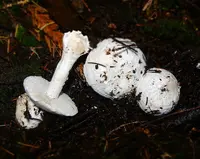
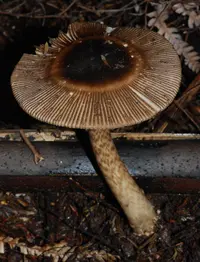
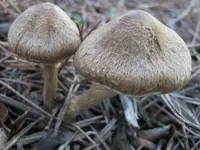
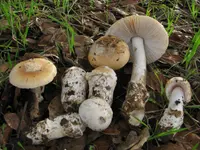
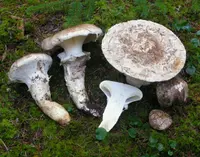
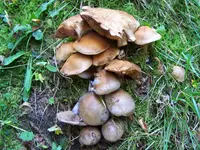
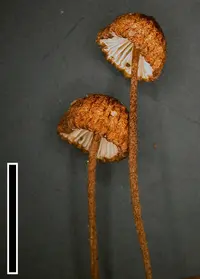
Sweet poisonpie, Hebeloma sacchariolens, is a small to medium-sized agaric fungus rather than a leafy houseplant. It typically forms tan to honey-brown caps with pale gills and a sturdy central stem, often appearing in groups. In nature it occurs in temperate regions of Europe and parts of North America, where it grows on soil in woodlands, parks, and sometimes lawns, usually in autumn. This species is mycorrhizal, meaning it lives in close partnership with tree roots, which makes it unsuitable as a typical potted specimen. Due to its specific ecological needs, it is not considered easy to cultivate deliberately, and information on how to care for Sweet Poisonpie is limited outside specialized mycology contexts.

Main Plant Requirements

Care Difficulty

Hard Care

Light Preference

Partial Shade

Water Requirements

Keep Soil Moist

Temperature Preference

Cool Climate

Hardiness Zone

Unknown

Soil Texture

Loamy, Silty, Organic-rich

Soil pH

Acidic (5.5–6.5), Slightly acidic (6.5–7.0)

Soil Drainage

Moist but well-drained

Fertilization

Minimal (feed rarely)

Get Personalized Care Plan

Scan your plant to receive care tips personalized for your specific plant

Available on iOS and Android

How to Care for the Sweet Poisonpie

This mycorrhizal fungus prefers cool, dappled woodland light rather than direct, open sun.

  • Provide 2–4 hours of weak, filtered sun, ideally morning light through tree canopy, with bright shade for the rest of the day.
  • Tolerates full shade in summer if the soil stays moist, but fruiting of Sweet Poisonpie may be reduced in very dark sites.
  • Avoid strong midday and afternoon sun; exposed ground dries quickly and the mycelium can retreat deeper, reducing visible mushrooms.

Hebeloma sacchariolens depends on consistently moist, never waterlogged soil around its tree hosts.

  • Aim for forest-like moisture: the top 2–5 cm of soil should feel slightly damp most of the time, not dusty dry or soggy.
  • In dry spells, water the root zone of host trees deeply when the upper soil turns dry and loose, then allow excess water to drain fully.
  • Yellowing, collapsing caps and sour-smelling, muddy soil indicate overwatering, while cracked soil and sparse fruiting suggest chronic dryness.

This species fruits best in cool to mild conditions typical of autumn woodland climates.

  • Optimal fruiting occurs around 50–64°F (10–18°C), often during fall and early spring when soil stays cool and evenly moist.
  • Mycelium usually survives down to about 23–28°F (-5 to -2°C) in soil, but repeated freeze–thaw at the surface can damage forming mushrooms.
  • Sustained heat above 77–82°F (25–28°C) with dry soil suppresses fruiting; shade, mulch, and tree canopy help buffer temperature swings.

Humidity plays only a minor role for Hebeloma sacchariolens, which copes with a broad range of outdoor conditions.

This fungus relies on specific outdoor soil conditions and is not suited to standard potting mixes.

  • Grow Hebeloma sacchariolens in light to medium, loamy mineral soil with moderate organic matter, not in dense peat-based media.
  • Ensure free drainage by avoiding waterlogged or compacted sites; slight surface moisture is acceptable but standing water is not.
  • Aim for slightly acidic to neutral pH, roughly 5.5–7.0, which favors its mycorrhizal association with host tree roots.
  • Improve aeration and drainage outdoors by incorporating coarse sand or fine gravel into heavy soils while keeping organic amendments modest.

This species is not realistically suitable for long-term container growing because it depends on complex mycorrhizal relationships with trees.

This ectomycorrhizal fungus typically needs no direct fertilization, as it relies on its host tree and soil nutrients.

Pruning is not applicable to Hebeloma sacchariolens, since it forms mushroom fruiting bodies rather than woody or leafy growth.

Transplanting focuses on maintaining a suitable host tree and soil rather than moving the fungus itself.

  • Move associated container-grown trees only when roots circle the pot or growth slows, typically every 2–3 years in early spring.
  • Use the same or slightly larger pot and a similar, well-drained soil mix to preserve fungal associations.
  • Minimize root disturbance by sliding the root ball out intact and handling it gently during transplanting.
  • Water thoroughly after transplanting, then keep soil evenly moist, not waterlogged, to reduce root stress.

Propagation of Hebeloma sacchariolens is specialized and usually left to experienced mycologists or controlled culture facilities.

This temperate mushroom is naturally cold hardy and usually needs no special winter care beyond normal host tree protection.

Care Tips

Spore Print Monitoring

Take regular spore prints from mature caps on white and dark paper to confirm correct identification and track fruiting patterns year to year, which helps avoid confusing this toxic species with edible look-alikes.

Mycelium-Friendly Footpaths

Lay down simple stepping stones or planks through the bed so foot traffic does not compact the soil above the mycelium, which keeps air pockets open and supports more consistent flushes.

Leaf-Litter Management

Top-dress the area with a thin, even layer of partially decomposed leaf litter each autumn, maintaining the natural woodland duff that this fungus prefers without burying existing fruiting bodies.

Targeted Moisture Sampling

Use a narrow soil probe or simple trowel to check moisture at 5–10 cm depth near, but not into, visible mycelial zones, then adjust irrigation so the substrate stays evenly damp but never waterlogged.

Fruiting Zone Marking

Flag or mark recurring fruiting spots with low garden markers so routine cultivation or lawn work does not disturb the underground network, which makes caring for Sweet Poisonpie around those zones more precise and safe.

Common Pests and Diseases

Fungal parasitism

This disease involves infection of the basidiocarps (mushroom fruiting bodies) by other fungi that colonize the cap or gills and distort normal development. Symptoms include misshapen caps, abnormal discoloration, and premature decay.

Solution

Remove and discard parasitized fruiting bodies promptly to reduce local spore load, and avoid disturbing the area excessively so the underlying mycelium can recover. Maintaining stable soil moisture and avoiding heavy mechanical damage to the surrounding leaf litter and soil helps support resilient Hebeloma sacchariolens care in naturalistic beds or outdoor culture.

Mycophagous slugs

These pests feed on the caps and stems, creating irregular holes, shredded margins, and slime trails on or around the mushrooms. This pest activity can rapidly destroy young fruiting bodies before they can mature and release spores.

Solution

Hand-pick slugs during damp evenings, use physical barriers such as copper tape around contained beds, and reduce dense groundcover that shelters slugs near the mushrooms. Beer traps or iron phosphate slug baits placed away from direct contact with the fruiting bodies can further lower pressure while limiting impact on non-target organisms.

Fungus gnat larvae

These insects lay eggs in moist organic substrates, and the larvae tunnel through developing stems and caps, causing soft spots, collapse of young mushrooms, and internal decay. Symptoms include weakened, water-soaked tissue and small entry holes near the stem base or gills.

Solution

Lower excess surface moisture around colonized substrate without letting it fully dry, and improve drainage so the top layer is only lightly moist. Sticky traps for adult gnats, careful reduction of overwatering, and use of a biological control such as Bacillus thuringiensis israelensis (Bti) in heavily affected beds help break the life cycle without harsh chemicals.

Interesting Facts

Distinct sweet odor

Mature fruiting bodies often emit a noticeable sweet, honeylike or sugary smell, which is reflected in the species name sacchariolens meaning sugar-scented.

Ammonia-loving fungus

This species is strongly nitrophilous, meaning it favors nitrogen-rich soils, and is frequently found near places where dog urine or other localized nitrogen sources enrich the ground.

Strictly ectomycorrhizal partner

It forms ectomycorrhizae, a type of root-fungus symbiosis where the fungus coats and surrounds fine roots of broadleaf trees such as poplar and ash, improving water and nutrient uptake in exchange for sugars.

Botan icon

Did you know?

Hebeloma sacchariolens has been included in experimental and molecular studies as a model ectomycorrhizal species, helping researchers understand how fungal root symbioses form, function, and exchange nutrients at the cellular and genetic levels.

FAQs about Sweet Poisonpie

This mushroom is considered poisonous and must not be eaten. It can cause severe gastrointestinal upset with nausea, vomiting, and diarrhea. Always treat it as inedible and avoid tasting or using it in any food preparation.

Grow Healthy Plants with Botan Care

Keep your plants happy and healthy with plant identification, disease detection, and easy care guidance.

Botan plant care app — identify plants on mobile

Explore More Plants