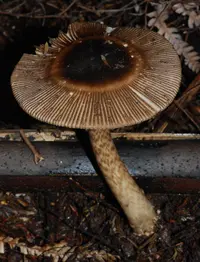
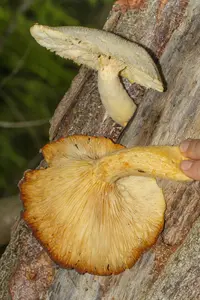
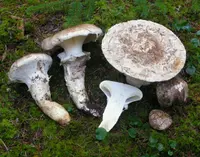
Inocybe dulcamara Care

Inocybe dulcamara

About Inocybe dulcamara

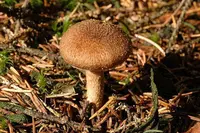
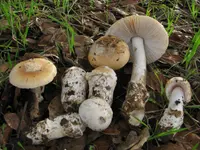
Inocybe dulcamara is a small, ectomycorrhizal mushroom that forms symbiotic relationships with the roots of trees, especially in temperate forests. It typically produces slender, fibrous stems and conical to bell-shaped caps in brownish tones, often blending into leaf litter.

This species occurs mainly in woodland habitats across parts of Europe and North America, usually in moist, well-drained soils rich in organic matter. For anyone studying how to care for Inocybe dulcamara in cultivation, it is important to know that it is not a conventional houseplant and is difficult to maintain because it depends on specific tree partners and natural soil communities.

Main Plant Requirements

Care Difficulty

Moderate Care

Light Preference

Partial Shade

Water Requirements

Moderate Water

Temperature Preference

Cool Climate

Hardiness Zone

Unknown

Soil Texture

Loamy, Sandy, Organic-rich

Soil pH

Slightly acidic (6.5–7.0)

Soil Drainage

Well-drained

Fertilization

Minimal (feed rarely)

Get Personalized Care Plan

Scan your plant to receive care tips personalized for your specific plant

Available on iOS and Android

How to Care for the Inocybe dulcamara

This ectomycorrhizal woodland fungus prefers cool, shaded forest conditions rather than direct sun.

  • Aim for dappled or filtered light under trees, similar to 1–3 hours of gentle morning sun filtered through a canopy, avoiding direct midday and afternoon exposure.
  • Choose sites with 70–100% canopy cover; strong open-field sun dries the substrate too quickly and can suppress fruiting bodies at soil level.
  • Inocybe dulcamara fruits best in late spring to autumn when day length is 10–14 hours but direct ground-level sunlight remains minimal due to leaf cover.

This forest-dwelling fungus relies on consistently moist, well-drained soil rather than fixed watering schedules.

  • Maintain soil that feels evenly moist 2–5 cm deep, never saturated; excess standing water reduces oxygen around the host tree roots and can damage mycorrhizal partners.
  • Increase moisture during dry, warm periods by irrigating the host tree area when leaf litter feels crisp and dry, allowing water to soak in and drain fully.
  • Reduce supplemental watering in cool, wet seasons, watching for symptoms of overwatering such as persistent puddling, algae growth, or foul anaerobic odors in the topsoil.

This species is adapted to temperate forests with cool to mild conditions through most of the growing season.

  • Optimal activity and fruiting generally occur around 50–68°F (10–20°C), typical of spring and autumn conditions in many temperate regions.
  • The mycelium in soil may tolerate short dips close to 23–28°F (-5 to -2°C), but repeated hard freezes without insulating leaf litter reduce survival near the surface.
  • Sustained heat above 82–86°F (28–30°C) with dry soil suppresses fruiting; partial shade and organic mulch help buffer temperature swings and protect the fungal network.

This species is a wild ectomycorrhizal mushroom and humidity control is generally not a practical or relevant care factor for home growers.

Inocybe dulcamara grows naturally in undisturbed forest soil, not in managed garden beds or pots.

  • Mushroom cultivation for this species depends on a living ectomycorrhizal partnership with tree roots, not on a standalone prepared substrate mix.
  • In its habitat it associates with moderately moist, well-drained, humus-rich forest soil with a loose, crumbly structure.
  • The forest soil is typically slightly acidic to neutral, roughly pH 5.0–7.0, with abundant decaying leaf litter and fine roots.
  • Avoid compacted, fertilized, or heavily tilled ground, which disrupts the root–fungus relationship needed for Inocybe dulcamara care instructions.

This ectomycorrhizal forest mushroom is not suitable for container growing because it relies on complex root associations within natural soil.

This wild ectomycorrhizal fungus is adapted to low-nutrient woodland soils and does not benefit from additional fertilization.

Pruning is not applicable to Inocybe dulcamara, as it is a small woodland mushroom rather than a plant with stems or branches.

This species naturally associates with tree roots in soil and is not suited to standard container repotting or garden transplanting.

  • Transplanting typically fails because the fungus depends on a living tree host and a stable soil ecosystem.
  • Cultivation attempts focus on maintaining suitable host trees and undisturbed, organic-rich soil rather than moving the fungus itself.
  • If fruiting bodies appear in containers, leave the substrate undisturbed and avoid dividing or relocating it.

Intentional propagation of this ectomycorrhizal mushroom is challenging and rarely attempted outside research settings.

No specific winter care is practiced, as this woodland fungus survives naturally in soil associated with hardy tree roots.

Care Tips

Spore print monitoring

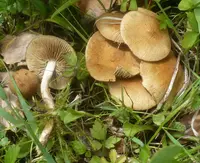
Place a sheet of white and dark paper under mature caps overnight to check spore color and abundance, which helps verify correct identification and confirm the fungus is fruiting normally in your soil condition.

Mycelium protection

Mark and avoid disturbing the fruiting zone with digging, raking, or heavy foot traffic so the buried mycelium network stays intact and can continue producing mushrooms in future seasons.

Host root management

Maintain the health of nearby host trees or shrubs by avoiding root damage and excessive soil compaction, since this ectomycorrhizal fungus depends on fine roots for nutrients and long-term survival.

Minimal organic inputs

Limit surface additions to a thin layer of leaf litter similar to nearby natural woodland rather than heavy compost or bark mulch, which can alter the fungal community and reduce the chances of growing Inocybe dulcamara successfully.

Targeted fruiting records

Keep simple notes with dates, weather patterns, host species, and number of fruiting bodies each year to detect trends and adjust site practices if fruiting becomes less frequent or shifts in timing.

Common Pests and Diseases

Mycophagous springtails

These insects feed on fungal tissue and can graze heavily on developing fruitbodies, leaving pitted, deformed, or partially eaten caps and stems. Symptoms include small bite marks, shriveling margins, and rapid cosmetic decline of mushrooms after emergence.

Solution

Gently remove and discard heavily damaged fruitbodies and reduce nearby decaying organic debris that shelters springtails. If cultivation is attempted, keep the substrate slightly less wet, improve drainage, and use fine mesh barriers or clean containers to limit access from surrounding soil fauna while maintaining the moist conditions needed for growing Inocybe dulcamara.

Fungus gnat larvae

This pest lives in moist organic substrates and chews through young fungal tissue, causing distorted, hollow, or collapsing stems and caps. Symptoms include tunnels inside the stipe, soft spots, and premature collapse of fruitbodies.

Solution

Discard infested fruitbodies and, in any controlled cultivation setting, allow the upper substrate surface to dry very slightly between mistings while keeping internal moisture adequate. Use fine mesh over vents or containers and reduce standing organic matter nearby that supports gnat breeding; yellow sticky traps can help monitor and lower adult populations around the growing area.

Slugs and snails

These pests rasp away soft mushroom tissue, often overnight, leaving irregular holes and slime trails on caps and stems. Symptoms include missing sections of the fruitbody, shredded gills, and visible mucus residues on nearby leaf litter or wood.

Solution

Hand-remove slugs and snails around fruiting sites and use physical barriers such as copper tape, rough mineral bands, or upturned collars around small cultivation beds. In garden or controlled settings, minimize dense groundcover and hiding spots near the fungus while avoiding broad-spectrum baits that may harm non-target organisms.

Parasitic Hypomyces

This disease is caused by parasitic ascomycete fungi such as Hypomyces species that overgrow the basidiocarp, replacing normal surface texture with a powdery or crusty coating. Symptoms include discoloration, loss of typical cap and gill structure, and a failure of spores to develop normally.

Solution

Promptly remove and destroy any parasitized fruitbodies to reduce local spore load. Avoid moving contaminated debris into other areas, and in cultivation trials rotate locations or substrates between seasons to lower the chance of recurrent infection.

Bacterial blotch

This disease arises under very wet, stagnant conditions and causes water-soaked, slimy patches on caps and stems, sometimes with yellow or brown discoloration. Symptoms include localized softening of tissue, surface slime, and rapid breakdown of affected areas.

Solution

Remove and discard affected mushrooms and improve surface drying between watering or misting sessions, while still maintaining internal substrate moisture. Increase air movement, avoid direct overhead water pooling on caps, and keep tools or containers clean to limit spread of bacteria associated with Inocybe dulcamara care instructions.

Interesting Facts

Highly toxic muscarine

This species contains high levels of the neurotoxin muscarine, which overstimulates the parasympathetic nervous system and can cause life‑threatening poisoning if ingested.

Distinctive odor profile

Mature fruitbodies often develop a somewhat spermatic or musty odor, which is a useful but subtle field character used by experienced mycologists during identification.

Associated with willows

It forms ectomycorrhizal partnerships with Salix (willow) and sometimes other broadleaf trees, exchanging mineral nutrients from the soil for sugars produced by the host plant.

Botan icon

Did you know?

This species is considered so difficult to distinguish from closely related Inocybe taxa that reliable identification typically requires detailed microscopic examination of spore shape, cystidia, and other fine structures rather than macroscopic characters alone.

FAQs about Inocybe dulcamara

This mushroom is strongly poisonous to both humans and pets. It contains muscarine and related toxins that affect the nervous system. Ingestion can cause sweating, salivation, vomiting, breathing difficulty, and may be life‑threatening. Never eat wild specimens.

Grow Healthy Plants with Botan Care

Keep your plants happy and healthy with plant identification, disease detection, and easy care guidance.

Botan plant care app — identify plants on mobile

Explore More Plants