fleecy fibrecap Care (Inocybe flocculosa)

Also known as: Inocybe ferruginea, Inocybe flocculosa var. ferruginea
fleecy fibrecap

About fleecy fibrecap

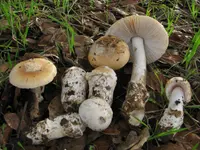
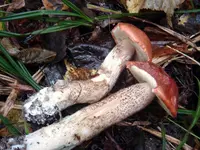
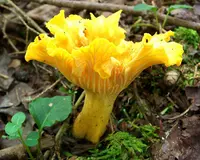
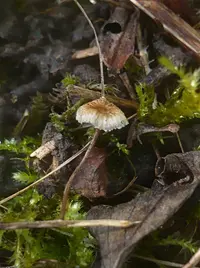
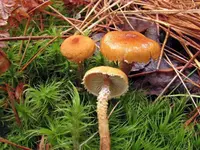
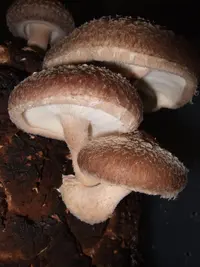
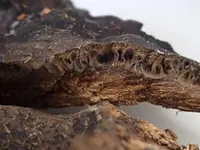
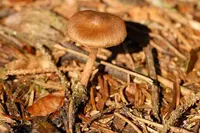
Fleecy fibrecap, Inocybe flocculosa, is a small woodland mushroom rather than a typical houseplant or garden ornamental. It produces pale to tan caps with a fibrous, slightly woolly surface and slender stems, often blending into leaf litter. This fungus usually appears in temperate forests, especially in association with trees, where it forms mycorrhizal partnerships that help roots absorb nutrients.

It is not commonly cultivated and is generally of interest to mycologists rather than home growers. Anyone looking to care for fleecy fibrecap should understand that it relies on living tree roots, moist forest soils, and natural ecosystem conditions that are difficult to reproduce indoors or in containers.

Main Plant Requirements

Care Difficulty

Hard Care

Light Preference

Partial Shade

Water Requirements

Regular Water

Temperature Preference

Cool Climate

Hardiness Zone

Unknown

Soil Texture

Loamy, Sandy, Organic-rich

Soil pH

Acidic (5.5–6.5)

Soil Drainage

Moist but well-drained

Fertilization

Minimal (feed rarely)

Get Personalized Care Plan

Scan your plant to receive care tips personalized for your specific plant

Available on iOS and Android

How to Care for the fleecy fibrecap

This woodland fungus prefers low to moderate light typical of shaded forest floors.

  • Provide dappled or filtered light, such as beneath shrubs or trees, with no more than 1–3 hours of weak morning sun and full protection from strong midday and afternoon sun.
  • Site fleecy fibrecap in partial to full shade; dense canopy cover or north- or east-facing locations help prevent drying of the substrate and sun scorch to the fruiting bodies.
  • Monitor seasonal shifts: as leaves drop in fall, increased direct sun can dry leaf litter and soil, so increase shading with mulch or nearby plant cover if the area becomes too exposed.

This mycorrhizal fungus depends on consistently moist, not waterlogged, soil around its host tree roots.

  • Maintain evenly moist soil by allowing only the top 1–2 cm of the forest floor or mulch layer to start drying before the next natural or supplemental watering.
  • Ensure the site has free-draining, humus-rich soil; standing water, sour odor, or persistent surface slime indicate overwatering and poor aeration that can suppress Inocybe flocculosa.
  • Watch for signs of drought stress such as cracked soil, shrinking leaf litter, and long gaps without rain; during hot, dry periods, apply deep but infrequent soakings rather than light, frequent sprinkling.

This species favors cool to mild conditions typical of temperate woodlands.

  • Aim for 50–70°F (10–21°C) during active growth, conditions commonly found in spring and fall in many temperate forests where mycorrhizal fungi fruit.
  • It tolerates short dips near 32°F (0°C) in dormant periods but regular hard frost below 25°F (-4°C) or repeated freeze–thaw cycles can damage fine fungal structures in the upper soil.
  • Sustained heat above 80°F (27°C), especially when combined with low humidity and dry soil, can halt fruiting and dry the substrate, so provide shade, organic mulch, and moisture retention during hot spells.

This species forms mushrooms outdoors and does not require managed humidity in cultivation.

Inocybe flocculosa is a mycorrhizal fungus that relies on suitable host trees and structured field soil rather than a conventional potting mix.

  • Use a loose, well-structured, organic-rich loam or sandy loam that mimics natural woodland topsoil.
  • Ensure rapid drainage so water does not pool; small amounts of coarse sand or fine gravel can improve percolation.
  • Maintain soil in the slightly acidic range, roughly pH 5.0–6.5, which supports typical ectomycorrhizal tree partners.
  • Avoid compacted, waterlogged, or highly fertilized ground, which disrupts fungal–root associations and reduces fruiting potential.

This species is not suitable for typical container growing, as it depends on forming mycorrhizae with tree roots in open ground.

Inocybe flocculosa is a mycorrhizal fungus that does not benefit from direct fertilizing like a typical houseplant.

Pruning is not applied to Inocybe flocculosa, as it is a wild mycorrhizal mushroom rather than a managed ornamental plant.

This species is not suited to container culture, so care focuses on preserving its natural soil habitat rather than repotting.

  • Avoid disturbing soil where the fungus is established, since its mycelium forms symbiotic associations with nearby plant roots.
  • If soil must be moved, keep root zones of associated trees or shrubs intact to maintain the fungal network.
  • Transplant host plants during cool, moist seasons, when soil disturbance is less stressful for roots and associated fungi.
  • Do not attempt frequent relocation; allow the colony to stabilize in one site for long-term ecological function.

Reproducing this mycorrhizal mushroom is specialized and rarely attempted outside research or habitat restoration.

Inocybe flocculosa is a wild, cold-hardy fungus that generally needs no specific winter care in its natural range.

Care Tips

Sterile Substrate Prep

Before inoculation, pressure-sterilize your chosen substrate and tools to reduce competing fungi and bacteria that can quickly outgrow fleecy fibrecap mycelium.

Mycelium Monitoring

Regularly inspect the substrate for even white mycelial growth and remove any zones with unusual colors or strong off-odors, which indicate contamination that should be isolated early.

Airflow Without Drafts

Provide gentle, indirect air movement around culture containers or beds using a small fan on a low setting to limit stagnant air without creating drying drafts across the substrate surface.

Clean Handling Routine

Handle spawn, tools, and containers with clean hands or disposable gloves, wiping surfaces with 70% isopropyl alcohol first to minimize contamination during caring for fleecy fibrecap.

Labeling And Rotation

Label batches with strain source, substrate type, and date, then stagger new inoculations every few weeks so you can compare performance and refine how you grow fleecy fibrecap over time.

Common Pests and Diseases

Mycophagous springtails

These insects graze on developing mushroom primordia and caps, leaving pits, ragged edges, or distorted fruiting bodies. This pest thrives in constantly wet, organic-rich substrates where Inocybe flocculosa is fruiting.

Solution

Reduce excessive surface moisture, improve drainage, and avoid overwatering the host substrate. Remove heavily damaged mushrooms, then use sticky traps and, if needed, a targeted soil-safe insecticide labeled for springtails, applied only around but not directly on fruiting bodies.

Fungus gnat larvae

This pest feeds on fungal mycelium and young fruiting initials, which can lead to aborted or misshapen mushrooms and thinning mycelial mats. Adults are often seen as small flies hovering near very moist cultivation containers or trays.

Solution

Allow the top layer of the substrate to dry slightly between waterings, use fine-mesh covers on vents, and place yellow sticky traps to reduce adult populations. For severe larval infestations, apply a biological control such as Bacillus thuringiensis israelensis (BTI) to the substrate according to label directions.

Mites

These insects, especially mycophagous mites, scrape tissue from caps and gills, causing speckling, silvery patches, or collapsed fruiting bodies. Symptoms include reduced spore production and slow or uneven flushes in cultivation setups.

Solution

Inspect trays or beds with a hand lens and remove heavily infested mushrooms and surrounding substrate. Improve hygiene by cleaning tools and containers, reduce clutter around the growing area, and, if necessary, introduce predatory mites or use a targeted miticide safe for mushroom production.

Green mold (Trichoderma)

This disease appears as fast-spreading white mycelium that quickly turns bright green, overgrowing and suppressing Inocybe flocculosa mycelium. Symptoms include stalled colonization, failure to form fruiting bodies, and a strong earthy or musty odor.

Solution

Promptly remove and discard contaminated substrate and fruiting bodies, being careful not to spread spores. Disinfect containers, tools, and nearby surfaces, improve fresh air exchange, and adjust moisture to avoid overly wet, poorly ventilated conditions that favor Trichoderma development.

Bacterial blotch

This disease causes greasy, water-soaked, or yellow-brown lesions on caps, sometimes with a slimy surface in very humid conditions. Symptoms include localized tissue breakdown and rapid deterioration of affected mushrooms.

Solution

Lower humidity to the minimum needed for fruiting, increase gentle air movement, and avoid direct water sitting on caps. Remove and discard affected mushrooms, clean surfaces with a mild disinfectant, and ensure any misting equipment delivers fine droplets rather than heavy wetting to support proper Inocybe flocculosa care instructions.

Interesting Facts

Distinct fibrous cap

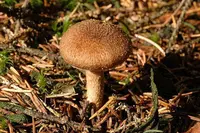
This species is recognized by its small, pale to ochre-brown cap that is densely covered with floccose, fibrous scales, giving it a noticeably shaggy or woolly appearance compared with many other Inocybe species.

Microscopic identification keys

Reliable identification depends strongly on microscopic traits, including smooth, elongated spores and characteristic metuloid cystidia, which are thick-walled, often encrusted sterile cells on the gill surface.

Mycorrhizal forest partner

It forms ectomycorrhizal associations with trees, meaning its fungal threads wrap around and between root cells, assisting the host tree with water and nutrient uptake while receiving carbohydrates in return.

FAQs about fleecy fibrecap

This mushroom is considered poisonous and must not be eaten. It contains muscarine, a toxin that affects the nervous system and can cause sweating, salivation, vomiting, diarrhea, and breathing difficulties. Always treat it as inedible.

Grow Healthy Plants with Botan Care

Keep your plants happy and healthy with plant identification, disease detection, and easy care guidance.

Botan plant care app — identify plants on mobile

Explore More Plants